
Introduction
Feline Panleukopenia Virus (FPV), commonly referred to as “Cat Parvo,” is one of the most terrifying diseases for cat rescuers in India. It is highly contagious, extremely resilient in the environment, and frequently fatal—especially in young, unvaccinated kittens.
Understanding the early warning signs of FPV can mean the difference between life and death for a street rescue.
What are the Symptoms of Cat Parvo? FPV attacks the rapidly dividing cells in a cat’s body, primarily the intestines and bone marrow. Symptoms escalate incredibly fast, often within 24 hours:
- Profound Lethargy: A kitten that was playful yesterday suddenly refuses to move.
- Loss of Appetite and Thirst: Complete disinterest in food or water.
- Severe Vomiting: Often frothy or yellowish.
- Bloody Diarrhea: This leads to rapid, fatal dehydration.
- Sitting at the Water Bowl: An infected cat may sit with their head hanging over the water bowl but refuse to drink.
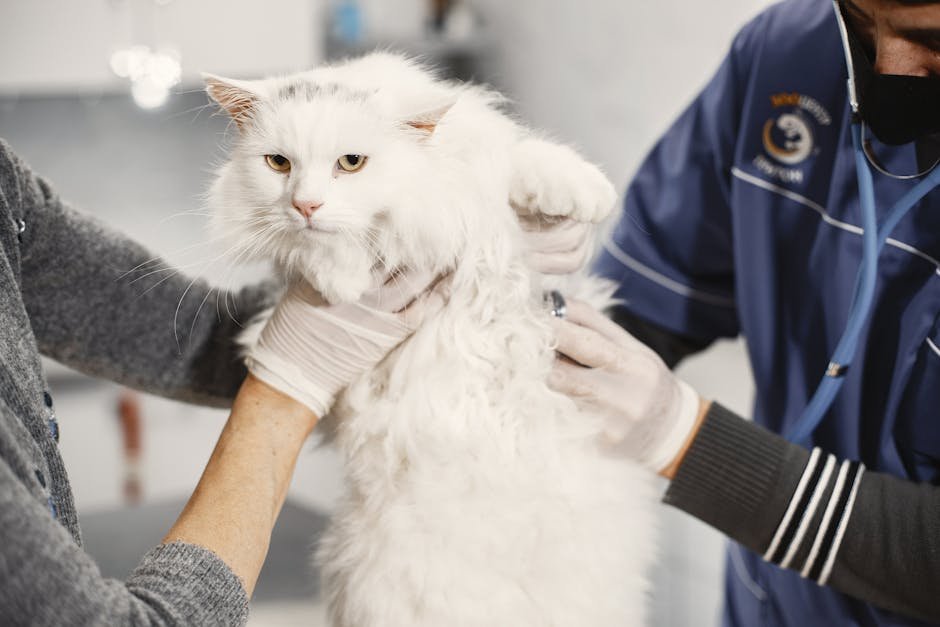
Immediate Action & Treatment There is no home remedy for Panleukopenia. If you notice these symptoms, rush the cat to the veterinarian immediately for a rapid snap test. Treatment requires aggressive supportive care: intravenous (IV) fluids to combat dehydration, antibiotics to prevent secondary infections, and anti-nausea medications.
The Only Real Defense: Vaccination FPV can survive on shoes, floors, and clothes for over a year. You can easily track it inside to an indoor cat. The only way to protect your cat is through the core FVRCP (Tricat) vaccine, given in a primary series during kittenhood and followed by annual boosters.