
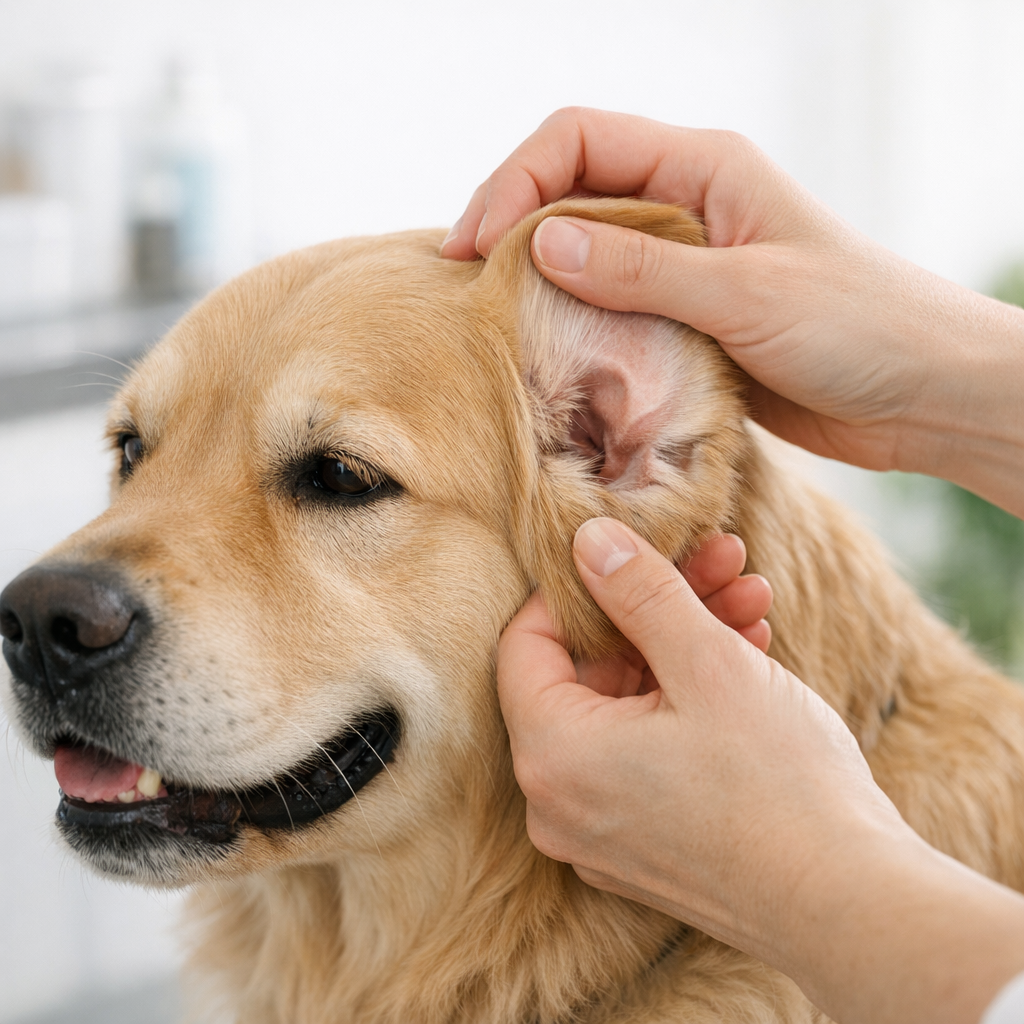
Understanding Chronic Canine Ear Troubles
As pet parents, there are few things more stressful than watching our dogs suffer from persistent discomfort, particularly when it involves their ears. If you find yourself asking, “Why is my dog’s ear infection not improving?”, you are certainly not alone. Chronic ear issues, particularly those involving yeast overgrowth and underlying allergies, are among the most common reasons for trips to the animal hospital. At Pawsitive Hoomans, we understand that repetitive cycles of inflammation, scratching, and head shaking can be exhausting for both the dog and the human companion.
When an ear infection seems to defy treatment, it is rarely because the condition itself is “impossible” to fix. Instead, it is usually a sign that we are treating the symptoms—the bacteria or the yeast—rather than addressing the underlying root cause. Ear infections in dogs are almost never the primary problem; they are a manifestation of an internal imbalance or an external sensitivity that needs our attention.
The Connection Between Allergies and Yeast
To stop the cycle of ear infections, we must look at the body as a whole. Many dogs suffering from recurring ear issues are struggling with environmental or food allergies. When a dog has an allergy, their skin barrier becomes compromised, and their immune system stays in a state of high alert. This creates the perfect breeding ground for Malassezia, the yeast that naturally resides on a dog’s skin in small amounts but proliferates uncontrollably when the environment becomes warm, moist, or inflamed.
Research shows that ears are essentially extensions of the skin. If your dog has itchy paws, red skin, or chronic ear issues, these are often systemic signs that the body is reacting to an allergen. Simply flushing the ear with a medicated solution may provide temporary relief, but if the skin barrier remains compromised by allergens, that yeast will return as soon as the medication stops.
The Pawsitive Hoomans Take
At Pawsitive Hoomans, we believe that the most effective way to help our furry companions is through a holistic, preventive lens. We prioritize force-free management and focus on supporting the body’s natural defenses. When it comes to chronic ear infections, our philosophy is to stop looking for a “magic cure” and start building a foundation of health that makes the ears a hostile environment for yeast and bacteria.
We advocate for gentle, non-invasive maintenance. This includes regular, stress-free ear checks and cleaning routines that utilize natural, soothing ingredients rather than harsh, drying chemicals. Most importantly, we believe in listening to our dogs. If they are showing signs of stress during ear handling, we utilize positive reinforcement to make the process a bonding experience rather than a battle. Remember, your vet is your most valuable partner; they can perform cytology to identify whether you are dealing with bacteria, yeast, or a complex mixture of both, which dictates the path forward.
Managing Yeast and Supporting the Immune System
If your veterinarian has ruled out structural issues like polyps or foreign bodies, it is time to look at the immune and inflammatory response. Many pet parents find success in supporting their dog’s gut health. Since a significant portion of the immune system resides in the gut, a high-quality diet—often one that avoids common triggers—can play a massive role in skin and ear health. While diet changes should always be supervised by a professional to ensure your dog is getting balanced nutrition, focusing on anti-inflammatory nutrients is a proactive step many advocates support.
Hydration is another critical factor often overlooked. Dry skin is itchy skin, but conversely, ears that stay perpetually moist are a disaster. When bathing your dog, take extra care to protect their ears from water ingress, as trapped moisture creates an incubator for yeast. Using cotton balls to gently block the canal during baths can be a game-changer for dogs prone to infections.
When to Seek Professional Intervention
It is crucial to clarify: we are not veterinarians. You must consult a qualified veterinary professional to manage your dog’s ear health. Never attempt to treat an ear infection solely on your own, especially if the eardrum is suspected to be compromised. A veterinarian needs to look deep into the canal with an otoscope to ensure the eardrum is intact before any drops or cleansers are used.
If you notice the following signs, schedule an appointment immediately:
- A strong, foul odor emanating from the ears.
- Discharge that is dark brown, yellow, or blood-tinged.
- The dog holding their head at a persistent tilt.
- Loss of balance or walking in circles (this can indicate a middle or inner ear infection).
- Visible redness, swelling, or heat radiating from the ear flap or canal.
Ignoring these symptoms can lead to chronic fibrosis, where the ear canal thickens and narrows, eventually requiring surgical intervention to manage pain. Early detection is the kindest way to approach your dog’s health.
Holistic Maintenance for Sensitive Ears
For dogs prone to “swimmer’s ear” or those with allergies, regular maintenance is the key to preventing the cycle from repeating. Once a veterinarian has cleared your dog of an active infection, ask them about an appropriate ear cleaning frequency. Using an ear-safe, pH-balanced cleanser can help strip away the debris where yeast hides. Avoid using Q-tips, as these can push debris deeper into the ear or damage the sensitive eardrum. Instead, use a soft cotton pad or gauze to wipe the reachable surfaces of the ear flap.
In addition to physical maintenance, consider environmental management. If your dog has seasonal allergies, wiping their paws and ears with a damp cloth after they come inside can reduce the amount of pollen they track into the house. This small habit significantly lowers the “allergen load” that triggers their immune response.
Final Thoughts on Advocacy and Patience
Helping a dog with chronic ear infections is a marathon, not a sprint. It requires a commitment to observing your dog’s triggers and maintaining consistent, gentle hygiene. At Pawsitive Hoomans, we encourage you to stay curious, work closely with your veterinary team to identify the root cause, and always prioritize your dog’s comfort. By shifting our focus from reactionary treatment to proactive, balanced care, we can give our companions the relief they deserve. Always rely on professional medical advice for specific treatments and health decisions; your dog’s wellness is a team effort between you and your vet.