
Introduction
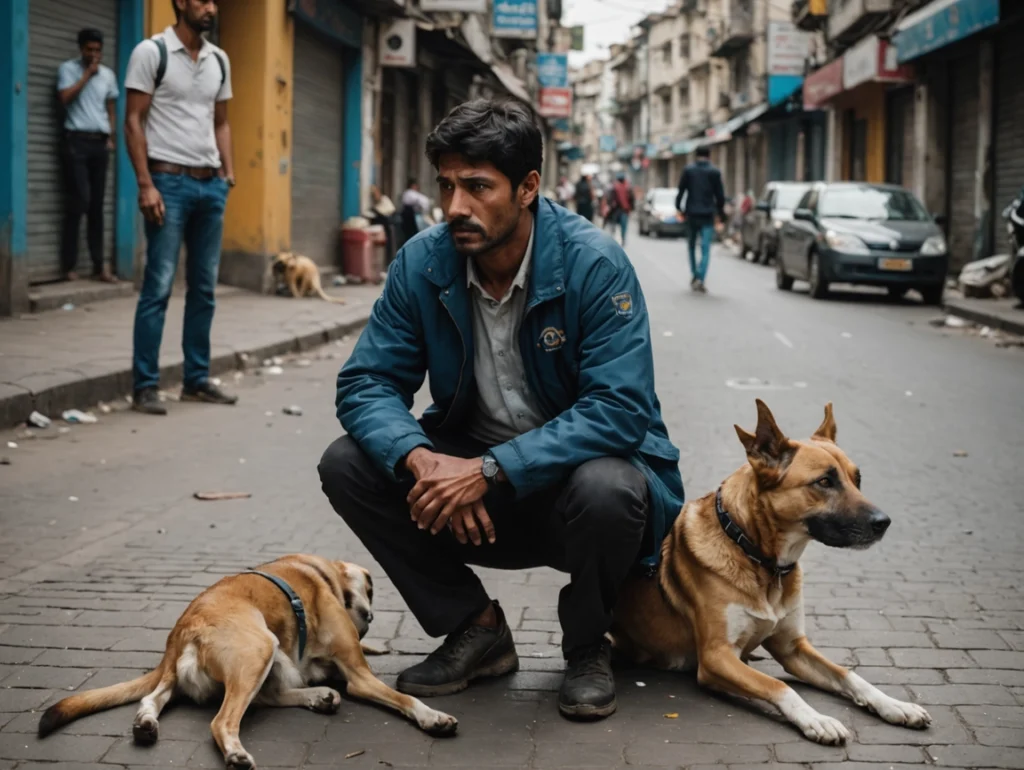
Seeing a sick or injured community dog on the street is heartbreaking. Your first instinct is usually to rush over and comfort them, but reacting purely on emotion can put both you and the dog in danger.
An injured dog is in severe pain and terrified, which means their “fight or flight” instinct is in overdrive. Even the sweetest street dog may bite out of pure panic if a stranger suddenly grabs them. If you spot a dog that has been hit by a car or is severely ill, here is the exact, step-by-step protocol to help them safely.
Step 1: Do Not Rush In (Assess from a Distance) Stop a few feet away. Speak in a soft, low voice. Observe the injuries. Is the dog bleeding heavily? Are they unable to stand? Are they conscious? Taking 30 seconds to assess the situation helps you give accurate information to the rescue team.
Step 2: Call for Professional Backup Unless the dog is friendly and willingly comes to you, do not attempt to lift a badly injured dog yourself.
- Search Google for “Animal NGO near me” or “Animal rescue helpline in your city”.
- Save the numbers of major local NGOs in your phone before an emergency happens.
- When you call, give them your exact GPS location, a description of the dog, and details of the injury. Send a quick video on WhatsApp if they request it.
Step 3: Secure the Area While waiting for the rescue ambulance, your job is to keep the dog from running into traffic or disappearing.
- Ask bystanders to step back. Crowds will terrify the dog further.
- If the dog is mobile but scared, you can try to gently guide them into a confined, safe space (like an alleyway or a gated compound) using a trail of highly smelly food like plain biscuits, boiled eggs, or chicken. Do not corner them aggressively.
Step 4: Safe Transport (If You Must Do It Yourself) If an ambulance is unavailable and you must transport the dog to a vet yourself:
- Muzzle for Safety: You can create a temporary emergency muzzle out of a soft cloth bandage or a leash to prevent a pain-induced bite. (Note: Never muzzle a dog that is vomiting or having difficulty breathing).
- The Blanket Lift: Do not carry the dog in your bare arms. Slide a thick blanket or a large piece of cardboard under the dog and use it as a makeshift stretcher with the help of another person. This prevents you from accidentally worsening spinal injuries.