
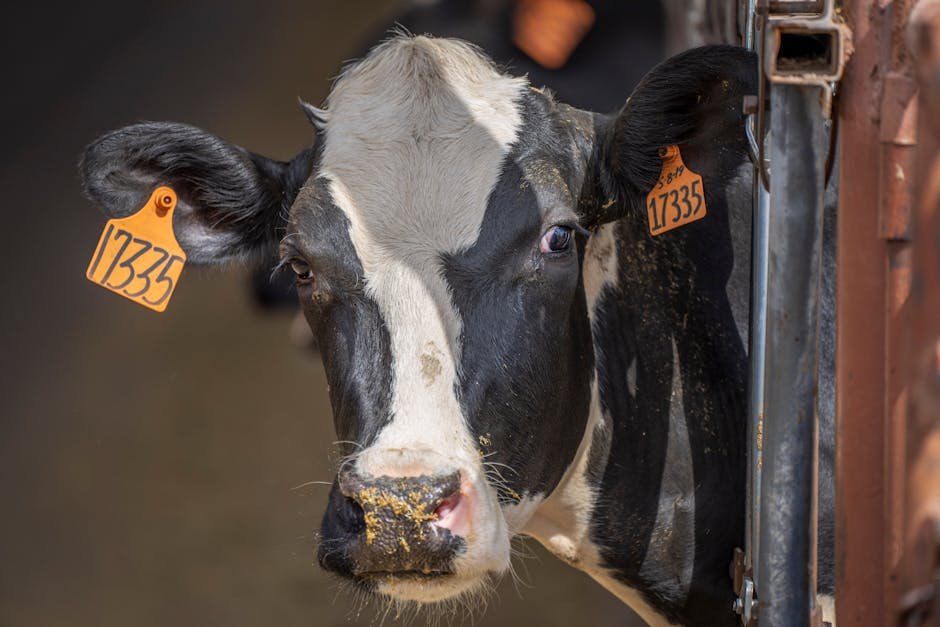
Introduction While there are many ethical dairy farmers, our cities also have unregulated, often illegal cattle sheds (‘tabelas’) hidden in cramped residential pockets or under flyovers. These operations frequently maximize profit at the cost of severe animal cruelty and are a major source of the cows you see wandering city streets.
If you want to help these animals, you need to know how to spot the signs of illegal operations and the exact legal channels to report them effectively.
How to Spot an Illegal Dairy
- The “Tie-Up” Cruelty: Calves are often taken from their mothers early and tethered so they cannot nurse normally, leaving them hungry and malnourished while the mother is milked for sale.
- Inadequate Infrastructure: Many such sheds lack proper concrete flooring and drainage, leaving animals confined in cramped, filthy spaces, sometimes standing in their own waste.
- Oxytocin Misuse: Oxytocin, a hormone strictly regulated due to widespread misuse in dairy colonies, is often injected illegally before milking to force milk let-down, which courts and experts have flagged as animal cruelty and harmful for the animal’s health.
- Street Dumping: To cut fodder costs, cattle are frequently left to roam busy roads and garbage dumps during the day, eating plastic and waste, then brought back and tied up at night for milking.
The Law and How to Report It Unregulated urban dairies routinely violate municipal health and environmental norms, as well as the Prevention of Cruelty to Animals (PCA) Act, 1960, which penalizes neglect, abandonment, and painful operations to boost milk production (such as the illegal use of oxytocin, referred to as phooka or doom dev).
If you witness this, do not engage with the dairy owners directly. Follow these steps to ensure your complaint has legal weight:
- Document: Safely gather evidence by noting the exact location and taking clear photos or videos of the conditions from a safe distance.
- File a Written Complaint: Submit a formal, written complaint to your Municipal Corporation’s Health/Veterinary Officer and the local State Animal Welfare Board.
- Involve an NGO: Loop in a recognized local animal welfare NGO. They have the expertise to help you pursue an FIR under the PCA Act and push for an official inspection by the authorities.