
Understanding the Importance of Early Puppy Socialization
Welcoming a new puppy into your home is one of life’s greatest joys. As pet parents, we are often eager to introduce our new furry family members to the world, including meeting other dogs and people. Proper puppy socialization is arguably the most critical component of raising a well-adjusted, confident adult dog. However, many people mistake socialization for simply throwing a puppy into a group of other dogs. At Pawsitive Hoomans, we advocate for a structured, thoughtful, and force-free approach to socialization that prioritizes your puppy’s emotional well-being above all else.
Socialization is not merely about exposure; it is about creating positive associations with the environment, sights, sounds, and social interactions. Research shows that the primary socialization window occurs between three and fourteen weeks of age. During this time, puppies are like sponges, absorbing information about the world around them. If their experiences are positive, they learn that the world is a safe place. If they are forced into overwhelming situations, they may develop fear-based behaviors that can last a lifetime.
The Role of Positive Reinforcement
When you take your puppy out for their first social experiences, the golden rule should always be positive reinforcement. We never want to use force, intimidation, or punishment to encourage a puppy to ‘get over’ their fears. Instead, we want to act as their advocate. If your puppy is hesitant to approach a new dog or person, let them take their time. Reward them for simply observing from a distance with calm confidence. Your job is to be the ‘safe harbor’ for your pup.
Training sessions should always be short, sweet, and centered around high-value rewards. By associating new social encounters with praise, gentle encouragement, and treats, you are effectively teaching your puppy that meeting new friends leads to wonderful things. This force-free philosophy builds a deep, unbreakable bond of trust between you and your dog, which is the cornerstone of any healthy relationship.
Navigating Puppy Playdates
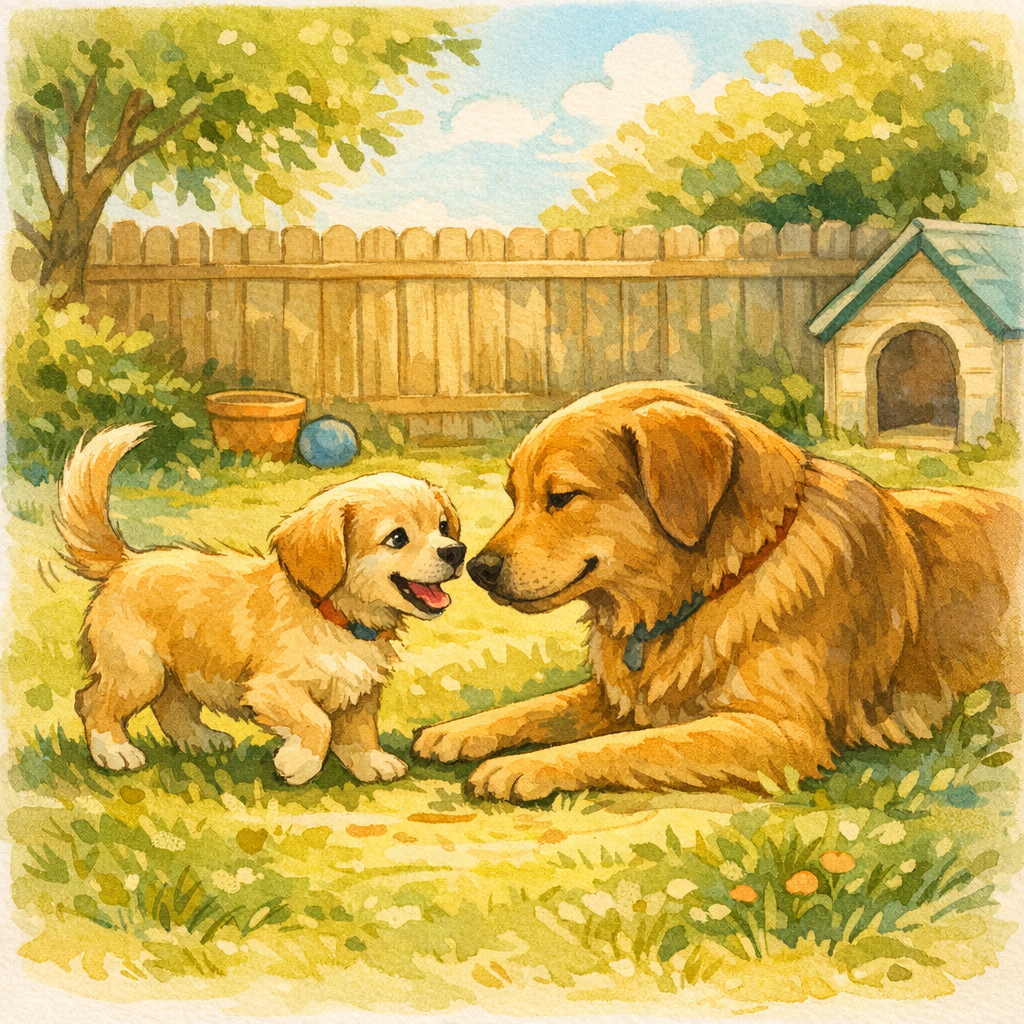
Setting up playdates can be a wonderful way to teach your puppy canine body language. However, not all play is good play. When selecting playmates for your puppy, look for adult dogs that are known to be ‘dog-savvy’—meaning they have excellent social skills, understand puppy boundaries, and are patient with exuberant youngsters. Avoid rough-and-tumble play with dogs that have high prey drives or those that are too boisterous for your small puppy.
Watch for ‘consent tests’ during play. If the play stops, does the other dog move away? If your puppy moves away, does the other dog give them space? If the answer is yes, that is a fantastic, healthy interaction. If the other dog persists despite your puppy’s attempts to withdraw, it is time to intervene calmly and separate the two. Remember, your goal is to help your puppy learn social manners, not to teach them how to defend themselves in a scuffle.
Safety First: Veterinary Advice is Essential
While behavioral socialization is crucial, we must always balance it with health safety. Veterinary experts recommend that you keep your puppy’s vaccination status in mind before exposing them to high-traffic public areas where other dogs of unknown health status have been. Always consult your qualified veterinarian to understand the specific risks in your geographic area and to develop a vaccination and socialization plan that keeps your puppy safe from infectious diseases while still allowing for vital developmental milestones.
The Pawsitive Hoomans Take
At Pawsitive Hoomans, we believe that socialization is a lifelong journey, not a one-time event. Even after the initial puppy window closes, dogs continue to learn and adapt. We encourage pet parents to view the world through their dog’s eyes. If a situation looks stressful—whether it is a loud street, an aggressive-looking dog, or an over-enthusiastic group of children—you have the right and the responsibility to remove your puppy from that situation. Being a ‘socialized’ dog does not mean being forced to interact with everyone; it means being comfortable and calm in various environments.
We strongly advocate for rescue and ethical sourcing. If you are still looking for your perfect companion, please reach out to local shelters or breed-specific rescue organizations. Many of these pups are waiting for a loving home and are just as deserving of a structured socialization program as a puppy from any other source. By choosing to rescue, you are not only saving a life but also opening up space for another animal in need.
Signs Your Puppy Needs a Break
Recognizing the signs of overstimulation is vital. If your puppy begins to tuck their tail, yawn frequently when there is no reason to be tired, lick their lips repeatedly, or hide behind your legs, they are likely feeling overwhelmed. They are essentially telling you, “This is too much.” Respect these signals. It is perfectly okay to end a play session early. Quality always trumps quantity when it comes to social experiences. A single positive encounter is far more beneficial for your puppy’s development than ten chaotic, stressful ones.
Conclusion: Building Confidence
Socialization is about building confidence, not compliance. When you adopt a force-free approach, you are empowering your puppy to navigate the world with curiosity rather than fear. Always remember that your puppy is learning from you every single moment. By remaining calm, prepared, and observant, you are setting them up for a lifetime of success. Whether you are walking in the park, visiting a friend’s backyard, or simply watching the world go by from your front porch, keep the experience light, fun, and safe.
*Disclaimer: The information provided in this article is for educational purposes only and does not constitute veterinary, behavioral, or medical advice. Every puppy is an individual with unique needs. Always consult with a qualified veterinarian regarding your puppy’s health and vaccination schedule, and consider working with a certified, force-free professional dog trainer to tailor a socialization plan specific to your dog’s temperament.*