
Understanding Canine Emotional Wellbeing
As pet parents, there is nothing more heartbreaking than returning home to find your beloved companion distressed, having chewed the baseboards or vocalized for hours while you were away. Dealing with dog separation anxiety is a challenging journey, but it is one that can be navigated with patience, understanding, and a commitment to positive reinforcement techniques. At Pawsitive Hoomans, we believe that every behavior is a form of communication, and when a dog panics at your departure, they aren’t being “spiteful”—they are experiencing a genuine physiological and emotional state of fear.
It is important to remember that anxiety is not a behavioral flaw; it is a complex emotional response. Research shows that dogs are deeply social creatures, and when they bond closely with their humans, sudden isolation can trigger a “fight or flight” response. Addressing this requires a multi-faceted approach that prioritizes the dog’s mental health, environmental comfort, and gradual exposure to being alone.
The Pawsitive Hoomans Take
At Pawsitive Hoomans, we are staunch advocates for force-free, humane training. When managing separation anxiety, we categorically reject the use of aversive tools like shock collars, bark collars, or any form of punishment for “bad” behavior triggered by distress. Punishing a dog for being anxious only serves to heighten their fear, creating a negative association with your return and potentially worsening the underlying condition. Instead, we champion the use of counter-conditioning and desensitization—methods that reshape how your dog feels about being alone rather than simply suppressing their outward displays of stress.
Identifying the Triggers of Separation Anxiety
Before diving into a management plan, take a step back and observe the behavior objectively. Does your dog begin to show signs of panic the moment you grab your keys? Do they pace, pant, or whine while you are putting on your shoes? These are known as “pre-departure cues.” Often, the anxiety begins long before the door closes. By identifying these triggers, we can begin the work of neutralizing them. Veterinary experts recommend keeping a journal of these behaviors to share with a professional, as this documentation can be vital in determining if the issue is truly separation anxiety or another underlying health concern.
Step 1: Desensitization to Pre-Departure Cues
The goal here is to make your departure cues boring. If your dog gets frantic when they hear the jingle of your keys, start picking up your keys and then sitting back down on the couch to read a book. Repeat this multiple times throughout the day without actually leaving. By breaking the association between the sound and the actual departure, you can slowly lower the intensity of your dog’s initial stress response.
Step 2: Gradual Departures
Once the cues are less volatile, focus on the length of time you are away. Start by stepping outside for just ten seconds and returning before your dog begins to panic. It is essential to return before the distress peaks. Slowly build up these intervals over weeks, not days. This process requires significant consistency and, frankly, a lot of patience, but it is the gold standard for long-term recovery.
Step 3: Enrichment and Mental Stimulation
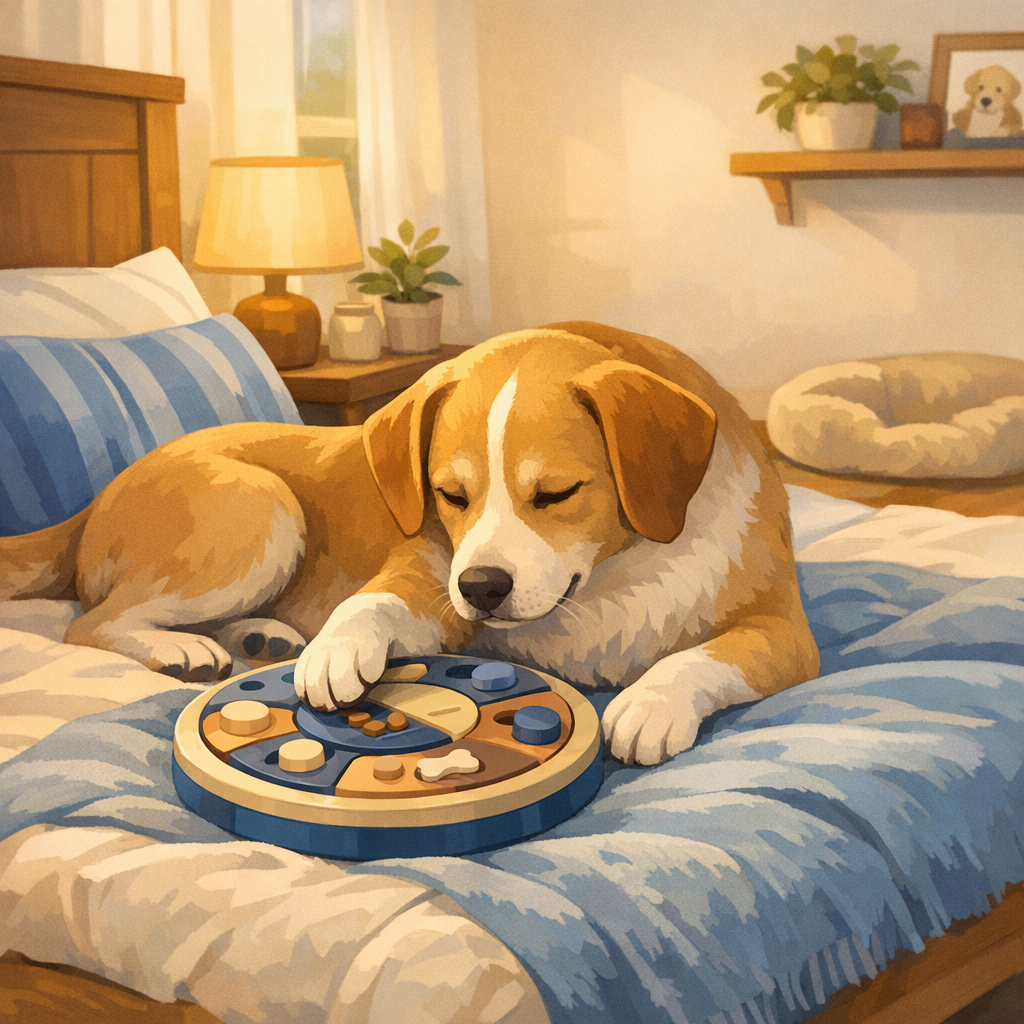
A tired dog is often a calmer dog, but physical exercise isn’t the only piece of the puzzle. Mental enrichment provides an outlet for energy and helps to soothe the nervous system. Provide your companion with high-value, long-lasting chews or puzzle toys specifically designed to be used while you are away. These items should be “special,” meaning your dog only receives them when they are about to be left alone, which helps create a positive association with your departure.
The Importance of Environment
Consider the space your dog occupies while you are gone. For some dogs, a smaller, quiet area with a familiar blanket can be a safe haven. For others, being confined to a crate while anxious can actually increase their distress, potentially leading to self-injury. Evaluate your dog’s body language in different settings. Always ensure they have access to fresh water and, if appropriate, background sound like calming classical music or specialized white noise designed for pets, which can help mask exterior noises that might trigger alarm barking.
When to Seek Professional Support
There are instances where training alone may not be enough. If your dog is injuring themselves, destroying areas of your home to the point of danger, or if their quality of life is severely impacted, it is time to consult with your veterinarian. They may suggest a referral to a board-certified veterinary behaviorist. In some cases, temporary environmental or medical management—under strict veterinary guidance—can help lower the dog’s baseline anxiety, making them more receptive to your training efforts. Remember, as pet parents, seeking professional guidance is a sign of advocacy, not defeat.
Finally, never source a puppy or dog from a breeder. There are millions of wonderful, loving animals in rescue organizations who are waiting for a forever home. Adopting is an act of compassion that directly fights the cycle of overpopulation. When you choose to rescue, you are often providing a second chance to a soul who truly needs a stable, patient, and understanding human to help them navigate their anxieties.
Not sure what your pet needs? Use our free tools — Emergency Triage Guide or Custom Diet Calculator.
Disclaimer: Pawsitive Hoomans provides educational content and is not a substitute for professional veterinary advice, diagnosis, or treatment. Always seek the advice of your veterinarian or another qualified health provider with any questions you may have regarding your pet’s medical condition or behavioral concerns. Never disregard professional veterinary advice or delay in seeking it because of something you have read here.