
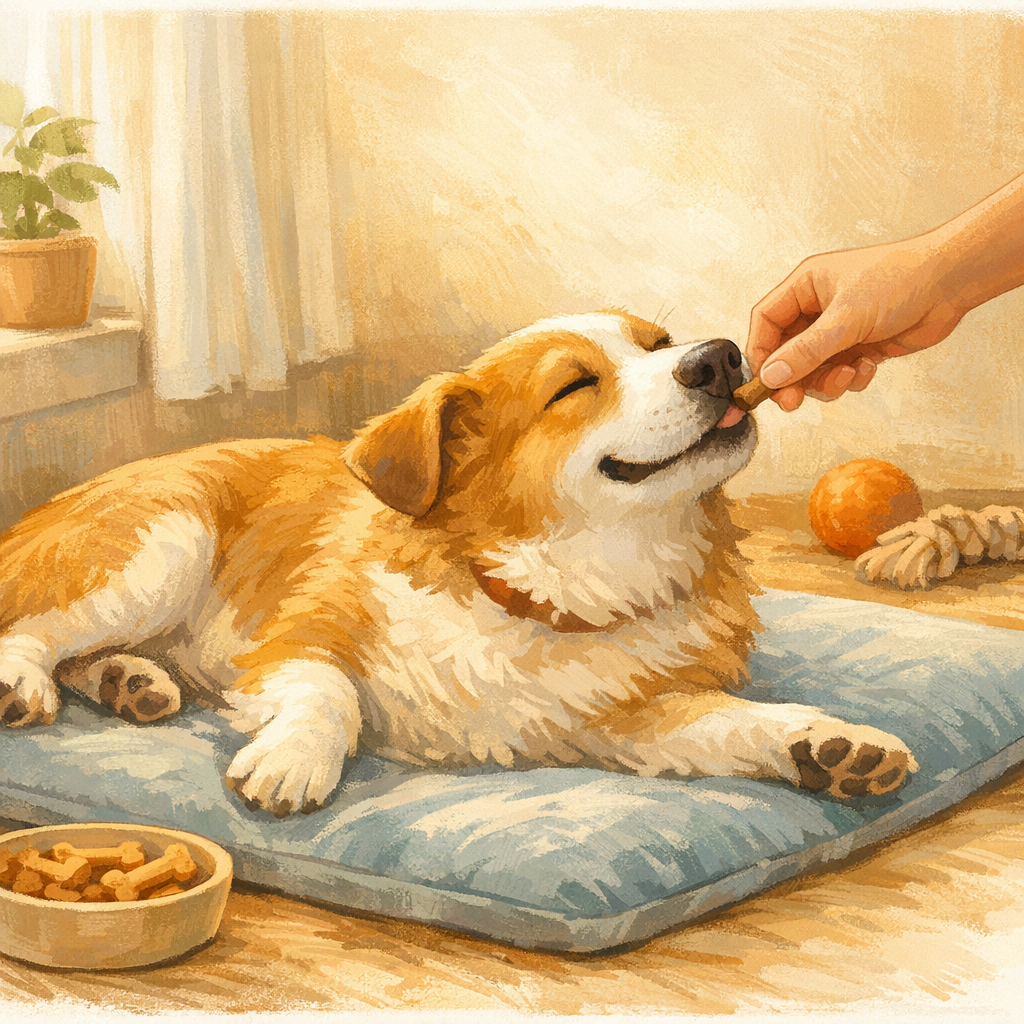
Understanding the Importance of Cooperative Care
As pet parents, we all want our canine companions to feel safe, secure, and confident in every situation. One of the most underrated yet incredibly valuable skills you can teach your dog is the “on your side” position. This simple physical cue, which encourages your dog to lie comfortably on their side, is far more than just a party trick. At Pawsitive Hoomans, we view this as a cornerstone of cooperative care, a training philosophy that empowers dogs to participate in their own wellness routines. Whether you are performing routine grooming, preparing for a routine check-up, or simply trying to make handling more pleasant, mastering this cue can transform your relationship with your pet.
When a dog is taught to comfortably lie on their side, it creates a calm, predictable environment for both the handler and the animal. Many dogs find being rolled onto their sides inherently vulnerable. By teaching them to move into this position voluntarily using positive reinforcement, we replace anxiety with agency. Research shows that dogs who feel they have control over their environment—specifically regarding physical handling—exhibit lower cortisol levels during stressful events like vet visits or nail trims.
The Philosophy of Positive Reinforcement
At Pawsitive Hoomans, we are staunch advocates for force-free training. The “on your side” position should never be achieved by physically pushing or rolling your dog over. Forcing a dog into a position often triggers an opposition reflex, where the dog will naturally push back or struggle against the pressure. Instead, we want to build this behavior through luring and capturing, ensuring the dog chooses to engage with the task because they know it leads to rewards, praise, and a positive outcome.
Using a clicker or a consistent marker word (like “yes!”) is essential. By marking the exact moment your dog’s side touches the floor, you clearly communicate the desired action. This clarity helps your dog understand that being on their side is a safe, rewarding space, rather than a position of weakness.
Step-by-Step Guidance for Training
Training this behavior requires patience and a high-value treat supply. Begin in a quiet, low-distraction environment where your dog feels completely relaxed. Start with your dog in a “down” position. Using a treat as a lure, move it slowly from their nose toward their shoulder and slightly back toward their backbone. As the dog follows the lure with their head, their weight should naturally shift, causing them to flop onto their side.
If your dog is hesitant, do not pressure them. Break the movement down into smaller steps. Reward them for simply turning their head to the side, then for leaning their weight, and eventually for the full roll. Remember that this is a process; consistency and short training sessions are key. As pet parents, our goal is to build a foundation of trust, not to rush toward a final result.
The Pawsitive Hoomans Take
At Pawsitive Hoomans, we believe that training is the language of love. When you teach your dog to lie on their side on cue, you are essentially teaching them a “consent” signal. During grooming, for instance, you can ask for the side-lying position. If the dog complies, you have their permission to continue. If they choose to get up, you respect that decision, pause, and wait for them to re-engage. This builds an incredible amount of mutual respect. We never want to make our dogs feel trapped. By using this cue as part of a cooperative grooming or care routine, you turn a potential conflict into a bonding session. We emphasize that all handling should be done at the dog’s pace. If they seem stressed, panting, or avoiding eye contact, take a break. The goal is to build long-term confidence, not to force a specific behavior at the expense of their emotional well-being.
Practical Applications for Health and Wellness
Why is this position so critical? Consider the day-to-day maintenance a dog requires. Many dogs fear having their paws touched or their bellies examined. When a dog is trained to lie on their side, you gain easy access to areas that usually prove difficult to reach: the belly, the inner thighs, the paw pads, and the ears. Groomers and veterinary staff find it significantly easier to work with a dog that knows how to relax in this position. In a clinical setting, this can be the difference between a dog that requires sedation for a minor procedure and a dog that remains calm and cooperative.
Furthermore, regular, gentle handling in this position allows you to perform your own routine health checks. You can check for lumps, bumps, ticks, or skin irritations without the dog feeling anxious. This proactive approach to observation can help you catch potential health issues early, allowing you to seek professional care immediately. Always remember that while you can perform these checks at home, any medical concerns or abnormalities should be assessed by a qualified veterinarian. We are here to support your training journey, but for clinical diagnosis and treatment, please lean on the experts in the medical field.
Common Pitfalls to Avoid
One of the most frequent mistakes we see is moving too quickly to a formal command before the dog fully understands the behavior. Avoid adding a verbal cue like “side” until the behavior is fluid and consistent. If you add the cue too early, it becomes white noise. Another common issue is failing to change sides. Practice rolling your dog to both their left and right sides. Dogs can sometimes be “handed” in their comfort, feeling more secure on one side than the other. Providing equal practice ensures they are comfortable regardless of the situation.
Finally, avoid training when your dog is overstimulated or tired. Training sessions should be upbeat and short. If you find your dog losing interest, end the session on a high note and try again later. The bond you create through this process is more important than the speed at which they learn the trick.
Final Thoughts on Training Success
The “on your side” position is a gateway to a lifetime of easier vet visits and stress-free grooming. By integrating this into your regular training routine, you are setting your dog up for success. We encourage all pet parents to approach this with a sense of playfulness and patience. There is no deadline for this training; the journey itself is where the magic happens. Your dog will appreciate the predictability, and you will gain peace of mind knowing you have the tools to handle almost any situation with calm, compassionate care.
Disclaimer: The information provided here is for educational purposes and reflects our philosophy on positive reinforcement and cooperative care. Always consult with your veterinarian regarding any health concerns, medical treatments, or if your dog is exhibiting signs of severe anxiety that may require professional behavioral intervention.