
Understanding Canine Emotional Wellbeing
At Pawsitive Hoomans, we understand that nothing is more heartbreaking than coming home to signs of distress or property damage caused by your canine companion. Managing dog separation anxiety is a common challenge that many pet parents face, but it is one that requires patience, consistency, and, above all, empathy. When a dog experiences anxiety upon being left alone, they aren’t ‘acting out’ or being spiteful; they are experiencing a genuine physiological panic response. Our goal as advocates for our pets is to provide a safe, secure environment that helps them build confidence in their own independence.
Research shows that separation anxiety in dogs is often rooted in a deep attachment to their guardians. While we love that our dogs are our best friends, the modern lifestyle sometimes necessitates time apart. The key to addressing this issue effectively is through gradual desensitization and positive reinforcement, ensuring that your pet feels safe even when you are not within sight.
The Pawsitive Hoomans Take
At Pawsitive Hoomans, we believe that training should never involve fear, intimidation, or punishment. When dealing with separation anxiety, force-free methods are the only path forward. Punishing a dog for anxious behavior—like vocalizing or destroying items—only serves to increase their stress levels, which in turn fuels the anxiety cycle. Instead, we advocate for a structured approach that empowers the dog to self-soothe.
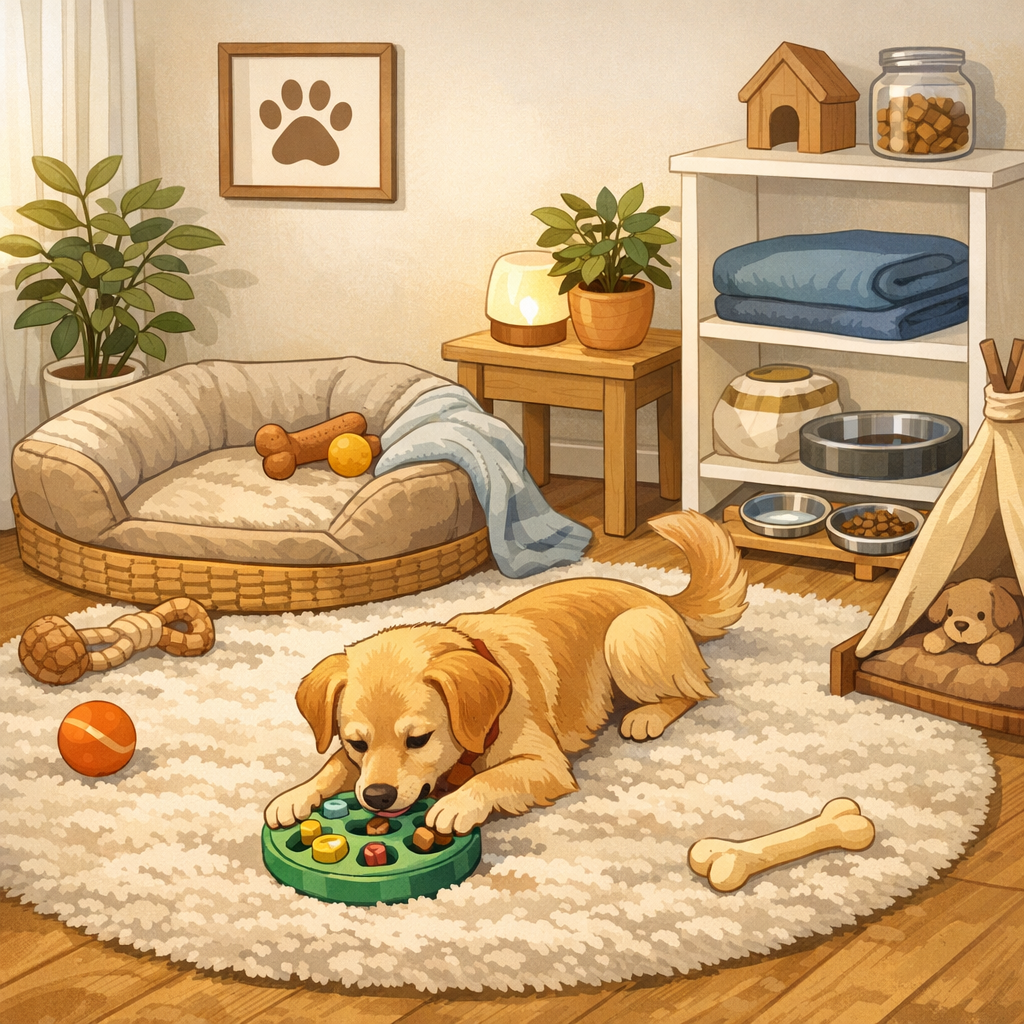
Our philosophy centers on the idea that the home should be a sanctuary. By creating a predictable routine and utilizing environmental enrichment, we can shift our dogs’ perspective from ‘my owner is gone and I am panicked’ to ‘my owner is gone, and this is a time for me to enjoy my favorite puzzle toy.’
Building a Foundation of Confidence
Before you begin any behavior modification plan, it is crucial to rule out underlying health issues. Sometimes, what looks like behavioral anxiety can be a manifestation of physical discomfort or pain. Always schedule a consultation with your local veterinarian to ensure your dog is healthy before starting a training program.
Once you have the green light from a professional, you can start small. The secret to success lies in the ‘micro-step’ approach. If your dog panics the moment you walk out the door, your first step isn’t leaving for an hour—it’s stepping out for five seconds and coming back inside before they begin to fret. By keeping your departures and arrivals low-key, you help your dog understand that leaving is not a major emotional event.
The Role of Enrichment
A tired dog is often a more relaxed dog, but mental stimulation is just as important as physical exercise. When you must leave, provide your dog with long-lasting enrichment tools. Stuffable rubber toys filled with healthy, vet-approved snacks can act as a bridge, keeping the dog’s brain occupied during those initial, most difficult moments of solitude. As pet parents, we find that these tools are game-changers in redirecting nervous energy into something productive and rewarding.
Creating a Safe Haven
Not every dog feels comfortable in a crate. For some, a crate can actually increase anxiety. We recommend designating a ‘safe zone’—a comfortable corner or room where your dog has access to fresh water, soft bedding, and their favorite comfort items. Utilizing calming music or white noise machines can also help mask outside triggers, such as delivery trucks or neighbors walking by, which might otherwise set off an anxious reaction.
Consistency is Key
Behavior modification is not a linear process. You will have good days and challenging days. The most important tool in your arsenal is consistency. If you decide to ignore the ‘goodbye’ routine, do it every single time. If you use a specific ‘leaving cue,’ like turning on a radio, use it every time you walk out the door. These signals provide the dog with information, reducing the mystery and fear surrounding your absence.
Avoid the temptation to coddle the dog excessively right before leaving. While it is hard to walk away, a long, emotional goodbye reinforces the idea that your leaving is a significant, high-arousal event. Instead, keep interactions calm and quiet. By removing the ‘drama’ from your departures, you help your dog maintain a more neutral emotional state.
When to Seek Further Help
Sometimes, despite our best efforts, a dog’s anxiety is severe enough to require additional support. If your dog is injuring themselves, damaging structural elements of your home, or displaying extreme panic despite a consistent training program, it is time to consult with a veterinary behaviorist. These experts can help design a comprehensive plan that may include environmental management, advanced training protocols, and, in some cases, temporary support with medication to help lower the dog’s threshold for anxiety.
Never feel ashamed to ask for help. Being a responsible pet parent means knowing when the situation requires a professional hand. At Pawsitive Hoomans, we encourage everyone to view seeking expert help as a sign of dedication to their pet’s long-term health and happiness.
Not sure what your pet needs? Use our free tools — Emergency Triage Guide or Custom Diet Calculator.
Disclaimer: The information provided on Pawsitive Hoomans is for educational and informational purposes only and is not intended as medical advice. Always consult with a qualified veterinarian or professional animal behaviorist regarding your pet’s health, diet, and behavioral concerns before making any changes or starting new treatments.