
Understanding Canine Obesity
As pet parents, we often show our love through treats and extra portions, but sometimes, this kindness can lead to our furry friends carrying a little extra weight. Managing a dog weight loss diet requires patience, consistency, and a deep understanding of your dog’s specific needs. At Pawsitive Hoomans, we believe that every dog deserves to live a long, active life, and maintaining a healthy weight is the cornerstone of that journey. If you are starting this path to wellness, our comprehensive dog hub is the perfect place to begin learning about your pup’s unique physiological requirements.
Obesity in dogs is not just about aesthetics; it is a significant medical concern. Excess weight puts undue pressure on the joints, heart, and metabolic system. In India, where the climate can be quite hot, an overweight dog often struggles more with heat regulation and exercise tolerance. When we look at a dog weight loss diet, the goal is always sustainable, gradual progress rather than rapid changes that could stress your pet’s system.
Assessing Your Dog’s Body Condition
Before changing your dog’s menu, you must assess their current body condition. Veterinary experts often use a Body Condition Score (BCS), which involves feeling the ribs and observing the waistline from above and from the side. You should be able to feel the ribs without a heavy layer of fat covering them, and there should be a visible “tuck” in the abdomen. If you are unsure about your dog’s score, it is essential to have a professional assessment to ensure there isn’t an underlying metabolic cause for the weight gain.
The Pawsitive Hoomans Take
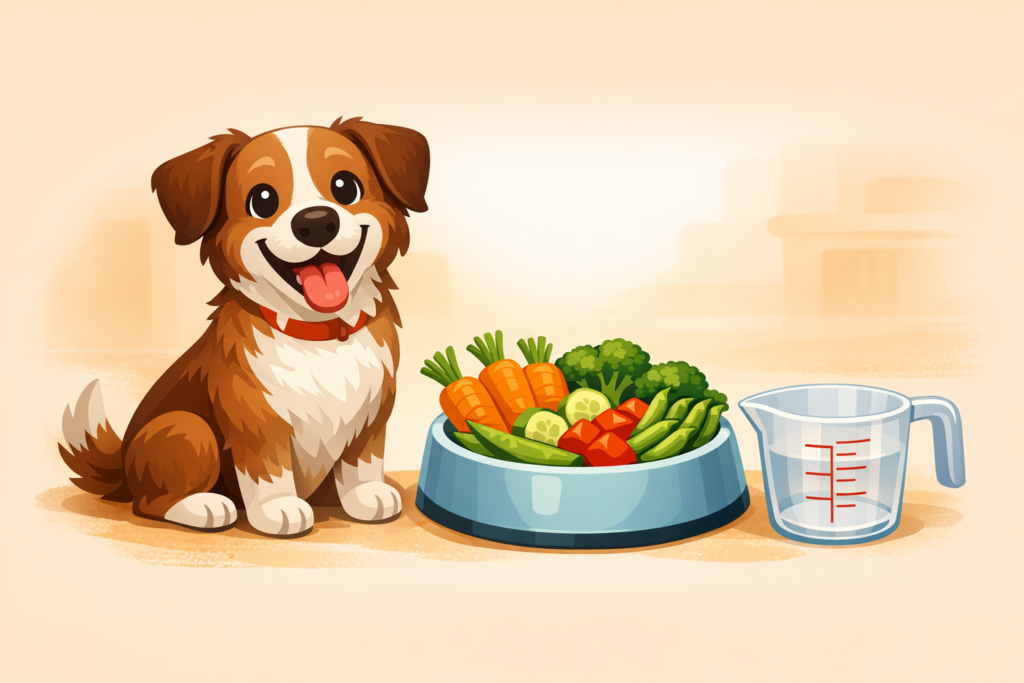
At Pawsitive Hoomans, we emphasize that weight loss is about enrichment and positive reinforcement. A dog weight loss diet should never feel like a punishment. Instead of focusing solely on calorie restriction, think about how to increase activity through scent work, indoor games, and social interaction. We strongly advocate against “starving” a dog or using harsh methods. Instead, look at the quality of ingredients. In the Indian context, many commercial foods are heavy on fillers that can contribute to weight gain. Consider replacing a portion of processed treats with low-calorie, dog-safe vegetables like carrots, cucumbers, or steamed beans.
⚖️ Track your pet’s weight and diet using our free Pet Passport Dashboard. Monitor trends before they become emergencies.
Building a Healthy Routine
A successful dog weight loss diet is built on the foundation of accurate calorie counting. You would be surprised how many “hidden” calories come from the pieces of rotis or biscuits given throughout the day. Start by documenting everything your dog consumes in a 24-hour period. This log is incredibly helpful when you sit down with your veterinarian to determine the caloric deficit needed for safe weight loss.
Transitioning to a lower-calorie diet should be done slowly. Sudden changes in food can cause digestive upset. Start by mixing the new, lower-calorie food with the old food in increasing increments over a period of 7 to 10 days. Always ensure your dog has access to clean, fresh water, as hydration is vital for metabolism and overall health.
Exercise and Mental Health
Physical activity is the second pillar of your dog weight loss diet. If your dog is significantly overweight, do not immediately switch to high-intensity running. Instead, start with multiple short, low-impact walks during the cooler parts of the day—early morning or late evening. Swimming is an excellent, low-impact exercise for dogs that helps build muscle without stressing the joints.
Remember that mental stimulation burns calories too. Training sessions, puzzle feeders, and hide-and-seek games are fantastic ways to keep your dog engaged without relying on calorie-dense treats. Using a portion of their daily kibble allowance for training exercises ensures that they are working for their food, which provides great mental satisfaction.
Common Pitfalls to Avoid
One of the biggest mistakes pet parents make is underestimating the calorie count of human foods. Even small pieces of cheese, buttered bread, or fried snacks can contain enough calories to ruin a whole day’s progress. If you find it hard to resist those “puppy eyes,” keep a jar of chopped carrots or apple slices (without seeds) on the counter as a healthy, low-calorie alternative treat.
Consistency is key. If you have multiple family members, ensure that everyone is on board with the new nutrition plan. If one person is sneaking extra treats, the weight loss plan will likely stall. Communication within the family is just as important as the diet itself.
Not sure what your pet needs? Use our free tools — Emergency Triage Guide or Custom Diet Calculator.
Conclusion: A Journey of Love
Helping your dog achieve a healthy weight is one of the most significant acts of love you can provide. It is a long-term commitment that improves their quality of life, increases their energy levels, and helps prevent future health complications. Always keep track of your progress and maintain organized records in your Pet Passport to make sure your veterinarian has all the data needed to adjust the plan as your dog loses weight. With patience, empathy, and professional guidance, you are setting your dog up for many more happy years by your side.
Disclaimer: This content is for informational purposes only and does not constitute medical advice. Always consult with a qualified veterinarian before making changes to your pet’s diet, exercise routine, or overall healthcare plan. Never ignore professional veterinary advice because of something you have read here.