
Understanding Your Cat’s Hairball Struggles
As dedicated pet parents, we have all experienced that unsettling sound—the low, rhythmic hacking that signals your feline companion is about to produce a hairball. While these are a relatively common occurrence for our indoor companions, they can be distressing for both the cat and the human. If you are navigating the complexities of feline wellness, our cat care resource center provides a wealth of information to help you manage your pet’s daily health needs. Finding a safe and effective cat hairball remedy doesn’t always require medical intervention; often, small lifestyle shifts and proactive grooming are all it takes to keep your cat comfortable.
Cats are meticulous groomers. During their daily cleaning rituals, their tongues—which are covered in tiny, hook-like structures called papillae—catch loose fur. While most of this hair passes through the digestive tract smoothly, some of it remains in the stomach, forming a mass that the cat eventually needs to regurgitate. If you notice your cat struggling frequently, it is time to look at why this is happening and how we can support their digestive health.
The Pawsitive Hoomans Take
At Pawsitive Hoomans, we believe that the best approach to pet care is one rooted in prevention and empathy. We advocate for a “wellness-first” mindset where we treat the cause rather than just the symptom. Hairballs are often a signal that your cat’s grooming habits, hydration levels, or dietary fiber intake need a little adjustment. Instead of reaching for harsh chemical laxatives or unverified home cures, we encourage pet parents to observe their cat’s environment and daily routine. Remember, your cat’s digestive system is delicate, and changes should always be introduced gradually and with professional oversight.
Not sure what your pet needs? Use our free tools — Emergency Triage Guide or Custom Diet Calculator.
🏥 Is your pet showing these symptoms? Log them instantly in our free Triage Engine inside Pet Passport to get immediate guidance.
Proactive Steps for Hairball Management
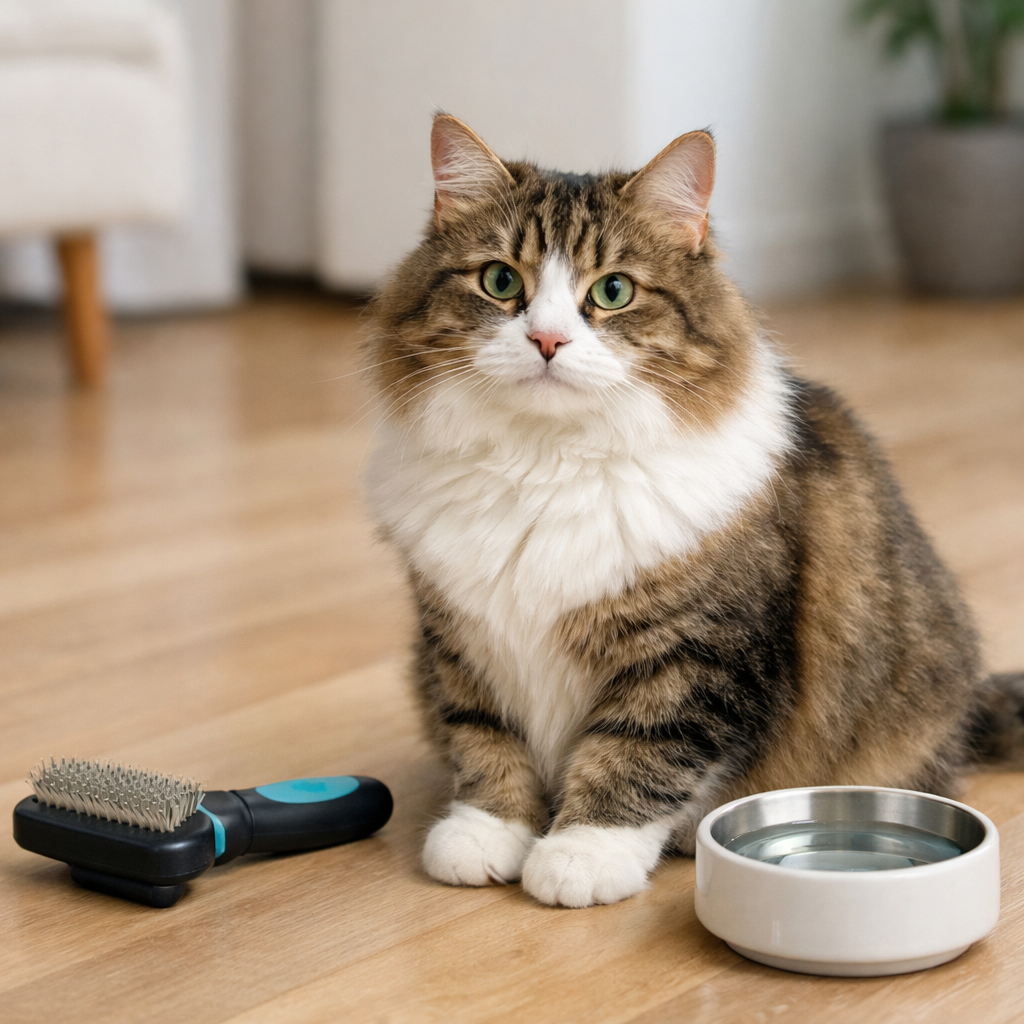
The most effective remedy starts with regular brushing. By removing loose fur before your cat can ingest it, you significantly reduce the volume of hair entering their stomach. For long-haired breeds, a daily grooming session is essential. This is not only a great way to manage hairballs but also a fantastic bonding activity that reinforces your relationship.
Hydration is another critical factor. A well-hydrated cat has better digestive motility, which helps push hair through the system rather than allowing it to clump in the stomach. Ensure your cat has access to fresh, clean water throughout the day. Some cats prefer running water, so investing in a pet water fountain can encourage them to drink more. For dietary support, consult a veterinary expert about fiber-rich diets specifically formulated to assist with hairball control, as these can help move contents through the gut more efficiently.
When to See a Professional
While an occasional hairball is usually just a part of feline life, there are times when it signals an underlying issue. If you notice your cat hacking repeatedly without producing a hairball, if they lose their appetite, show signs of lethargy, or if there is a sudden change in their litter box habits, you must consult your veterinarian immediately. Persistent hacking could sometimes be a sign of respiratory issues or a blockage, both of which require professional diagnostic care. Never attempt to treat a persistent, severe cough or digestive distress at home; always seek guidance from a qualified medical expert.
If you have questions about your cat’s ongoing health trends, keeping a detailed log of their symptoms is incredibly helpful for your vet. We recommend using our digital health records system to track your cat’s weight, dietary changes, and any recurring health concerns so you have all the necessary data ready for your next visit.
Frequently Asked Questions
Can I give my cat coconut oil as a natural hairball remedy?
You should not provide coconut oil to your cat for hairball management without first consulting your veterinarian regarding dosage and safety. While some believe it acts as a lubricant, giving your cat too much fat can lead to digestive upset or, more seriously, pancreatitis. Veterinary experts generally prefer balanced, fiber-enriched dietary solutions over adding oils to your cat’s meals.
How often should I brush my cat to prevent hairballs?
For short-haired cats, brushing at least two to three times per week is sufficient, while long-haired breeds require daily brushing to effectively minimize hair ingestion. Regular grooming prevents the buildup of loose undercoat, which is the primary source of the fur that forms hairballs in the stomach.
Are there specific cat treats that help with hairballs?
Yes, there are commercially available hairball-control treats that contain added fiber, such as psyllium husk, which can help move hair through the digestive tract. However, always check the ingredient list to ensure they do not contain excessive fillers or artificial additives, and use them only as a supplementary aid rather than a complete diet.
Disclaimer: Pawsitive Hoomans provides general information for educational purposes and is not a substitute for professional veterinary advice, diagnosis, or treatment. Always seek the advice of your veterinarian with any questions you may have regarding a medical condition. Never disregard professional veterinary advice or delay in seeking it because of something you have read on this website.