
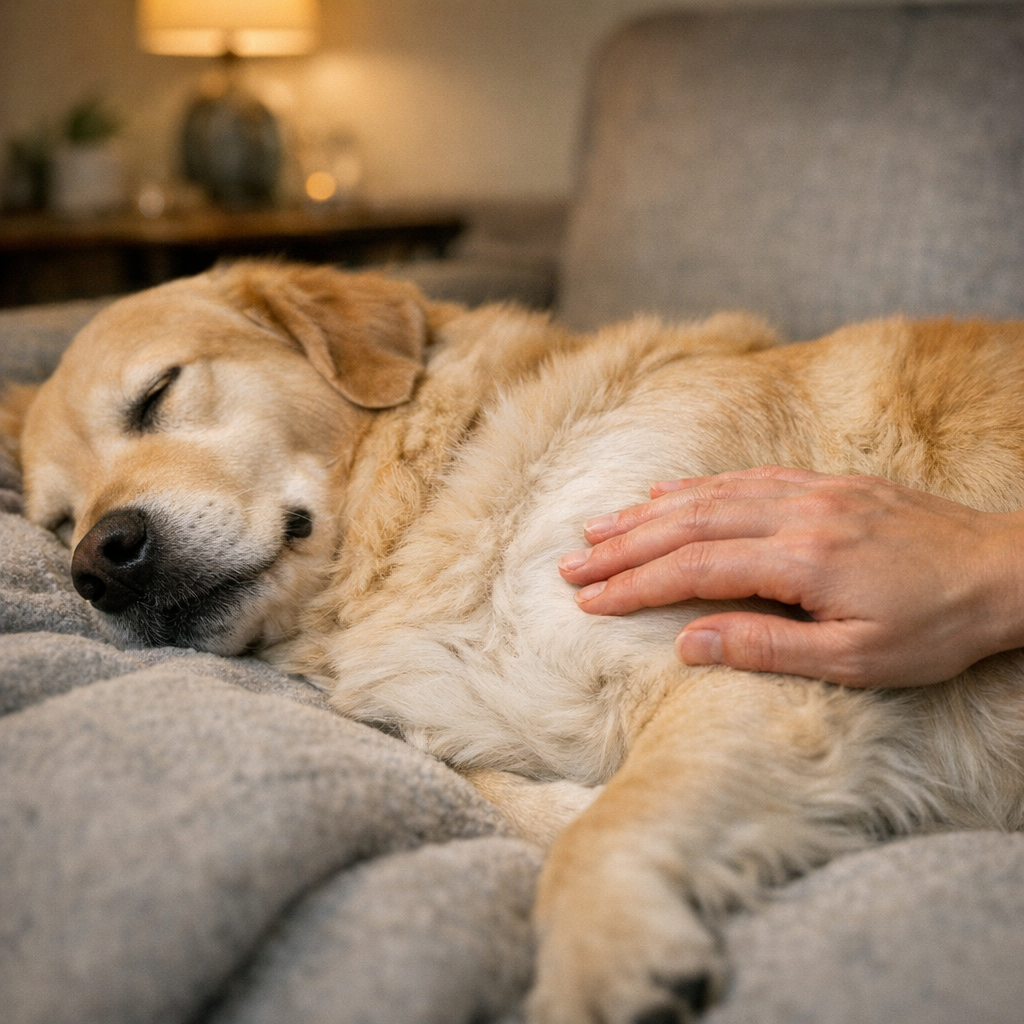
Understanding Why Your Dog Is Breathing Fast and Shallow
As pet parents, there is nothing quite as unsettling as noticing a sudden change in our furry best friend’s physical state. If you have ever wondered, “why is my dog breathing fast and shallow?” you are certainly not alone. Recognizing the signs of respiratory distress is a vital skill for anyone navigating the journey of pet parenthood, especially when caring for your companion through our comprehensive dog resources and care guides. Respiratory issues can stem from a wide variety of causes, ranging from simple environmental stressors to more urgent medical conditions that require immediate professional attention.
At Pawsitive Hoomans, we believe that education is the most powerful tool in your care kit. While panting is a normal way for dogs to cool down, especially in the warm Indian climate, there is a distinct difference between cooling-off panting and shallow, rapid breathing. Distinguishing between these two can be the difference between a minor concern and a true medical emergency. Research shows that dogs typically take between 10 and 30 breaths per minute while resting. If you notice your dog consistently breathing at a rate significantly higher than this without any exertion, it is time to pay closer attention.
The Pawsitive Hoomans Take
When it comes to respiratory health, we always advocate for a proactive, calm, and observational approach. It is easy to spiral into panic, but your dog can pick up on your anxiety, which may inadvertently increase their heart rate and respiratory effort. Instead, stay calm, create a quiet space, and observe other clinical signs. Are their gums pale or blue? Are they struggling to stand? Is there any coughing or lethargy? At Pawsitive Hoomans, we emphasize that your role is to act as the “first responder” by documenting these symptoms clearly so that when you contact your vet, you can provide an accurate history. We never recommend waiting to see if a breathing issue “resolves itself” if the dog appears to be in genuine distress.
🏥 Is your pet showing these symptoms? Log them instantly in our free Triage Engine inside Pet Passport to get immediate guidance.
Common Environmental and Behavioral Triggers
In many cases, rapid breathing is a normal reaction to the environment. If your dog has just finished a game of fetch or a long walk in the sun, rapid breathing is their body’s way of managing heat. However, since dogs lack sweat glands (except on their paw pads), they rely heavily on the evaporation of moisture from their tongues to cool down. In humid Indian summers, this process becomes much less efficient, leading to prolonged panting.
Behavioral triggers also play a huge role. If there are fireworks in the neighborhood, loud traffic, or a stressful event like a visitor, your dog might be breathing quickly due to anxiety. Always ensure your dog has access to a cool, dark, and quiet room where they can settle down away from the source of stress. If the breathing returns to normal once the dog is relaxed, it was likely behavioral or heat-induced. For an exact understanding of your dog’s daily health trends, it is helpful to keep a history of their resting respiratory rate using the Pet Passport feature.
When to Seek Immediate Veterinary Care
While environmental causes are common, some situations are non-negotiable. If you notice “dyspnea,” which is the medical term for labored breathing, you must act immediately. Symptoms that signal an emergency include blue or grey gums (a sign of oxygen deprivation), extreme lethargy or collapse, extended neck posture while breathing, or a “tucked-up” abdomen. If your dog is making wheezing or whistling sounds, or if they are unable to settle no matter how much you try to soothe them, these are clear indicators that your dog needs an urgent evaluation.
Veterinary experts recommend that if you have any doubt, it is always safer to go in for a check-up than to wait. Conditions such as heart-related issues, lung infections, or even the ingestion of a foreign object can manifest as respiratory distress. Please remember, never attempt to administer human medications or cough suppressants, as these can be extremely dangerous for dogs.
Not sure what your pet needs? Use our free tools — Emergency Triage Guide or Custom Diet Calculator.
Frequently Asked Questions
How do I know if my dog is breathing too fast?
A normal resting respiratory rate for most dogs is between 10 and 30 breaths per minute. You can determine this by counting the rise and fall of their chest for 60 seconds while they are sleeping or completely relaxed; if the rate consistently exceeds 30-40 breaths per minute while at rest, or if the breathing looks shallow and forced, you should consult a veterinarian.
Can heat cause my dog to breathe rapidly?
Yes, heat is the most common cause of rapid breathing in dogs, especially in Indian weather conditions. Because dogs primarily cool down through panting, high temperatures or humidity can force them to breathe faster; however, if the panting does not stop after 10–15 minutes in a cool, shaded environment, it could be a sign of heatstroke which requires emergency care.
What should I do if my dog is breathing fast and won’t sleep?
If your dog is unable to rest, appears restless, and is breathing rapidly, first move them to a cool, quiet room and observe for other symptoms like pale gums or excessive salivation. If they do not settle down within a short time, or if they seem distressed, contact your local veterinarian immediately as this could indicate pain, anxiety, or a respiratory complication that needs medical intervention.
Disclaimer: Pawsitive Hoomans is a pet care resource provider, not a veterinary clinic or hospital. The information provided here is for educational purposes and should not replace professional medical advice. Always consult with a qualified veterinarian regarding the health, diagnosis, or treatment of your pet. In the event of a medical emergency, please contact your nearest veterinary facility immediately.