
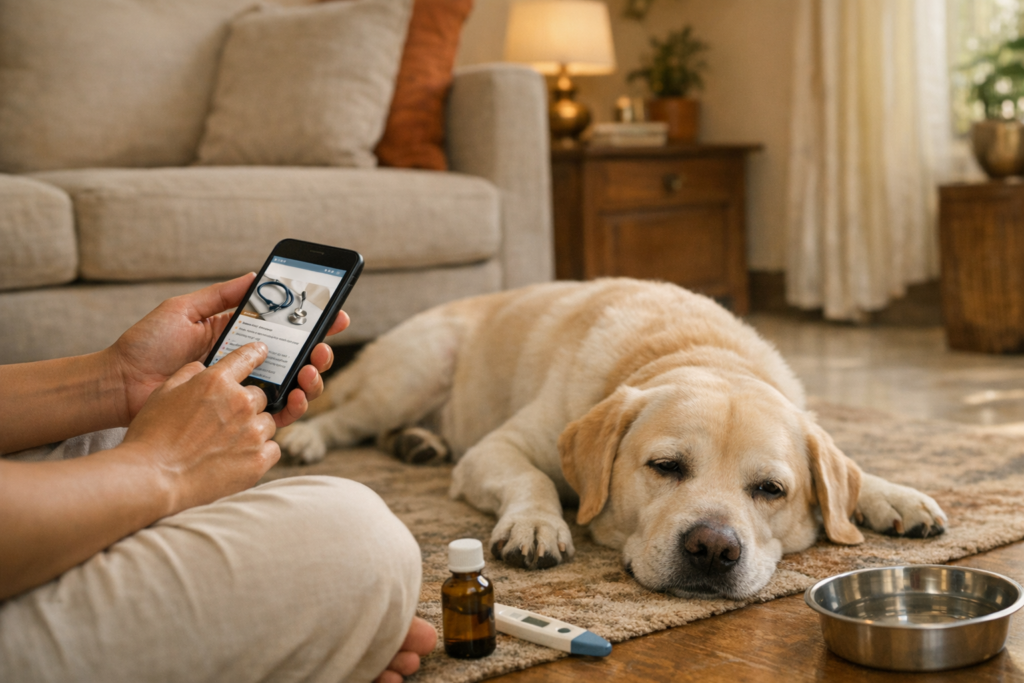
Understanding Vomiting Blood in Dogs: When to Act Fast
As pet parents, seeing our beloved canine companions fall ill is always distressing, but there are few symptoms as alarming as vomiting blood in dogs. Known in clinical terms as hematemesis, seeing red or brown specks in your dog’s vomit is a sign that requires immediate attention and professional evaluation. If you are navigating the complexities of caring for your canine friend, our comprehensive dog care hub provides resources to help you stay prepared for any situation. Whether it is bright red blood or dark, coffee-ground-like material, understanding the urgency of the situation can make a world of difference for your dog’s health.
It is important to remember that not all stomach upsets are life-threatening, but internal bleeding is a serious concern. When a dog vomits blood, it signifies that there is irritation, trauma, or a physical issue occurring somewhere in the upper gastrointestinal tract, which includes the mouth, esophagus, or stomach. As pet care advocates, we want to ensure you are equipped with the knowledge to identify when your pet needs urgent veterinary care, rather than waiting to see if it ‘passes’ on its own.
The Pawsitive Hoomans Take
At Pawsitive Hoomans, we believe that ‘better safe than sorry’ is the golden rule when it comes to your dog’s health. We advocate for a calm, proactive approach. If you notice blood, do not spend time searching for home remedies or waiting for the next morning. Your dog’s internal well-being is the priority, and the most positive action you can take is to seek professional diagnostic equipment that only a clinic can provide. We emphasize that force-free handling and keeping your dog calm during a health crisis are essential to reducing their stress levels while you prepare for transport to a veterinary facility.
🏥 Is your pet showing these symptoms? Log them instantly in our free Triage Engine inside Pet Passport to get immediate guidance.
Identifying the Colors of Concern
Not all blood in vomit looks the same. Identifying the appearance can sometimes help you describe the severity to your veterinarian. Bright red blood typically indicates active, fresh bleeding. This could be due to a sharp object, an ulcer, or severe inflammation in the lining of the throat or stomach. Dark brown or black ‘coffee-ground’ looking material usually indicates blood that has been partially digested by stomach acid. This suggests that the bleeding has been occurring for a longer period and is a significant medical concern that should not be overlooked.
Common Causes for Concern
Veterinary experts often highlight several potential triggers for this condition. These can range from ingestion of non-food items—common in curious street dogs or playful pups—to severe infections or reactions to toxic substances. In India, we often see issues arising from the ingestion of sharp bones, discarded food wrappers, or local toxic plants. Furthermore, underlying health conditions such as kidney or liver disease can also lead to gastric ulcers which may rupture and cause vomiting. Because the list of potential culprits is long and often requires diagnostic imaging or blood work to narrow down, trying to self-diagnose is not recommended.
What to Do Before You Reach the Vet
When you notice your dog has vomited blood, the first step is to stay calm. Your dog senses your anxiety, and keeping a steady demeanor helps keep their heart rate lower. Safely remove any access to further food or water until the vet provides instructions, as you do not want to aggravate the stomach lining further. If possible, take a photo of the vomit or bring a sample in a sealed container; this visual evidence can be incredibly helpful for the veterinary team. Never attempt to administer human medications, as many common painkillers can actually increase the risk of internal bleeding.
Not sure what your pet needs? Use our free tools — Emergency Triage Guide or Custom Diet Calculator.
Preventative Measures for Indian Pet Parents
While some emergencies are unpredictable, many are preventable. Keeping your home and yard free of small, ingestible objects is the first line of defense. Ensure that food waste is disposed of in securely lidded bins so that your dog cannot scavenge sharp bones or toxic scraps. Regular check-ups with your trusted veterinarian allow for the early detection of systemic health issues that could lead to gastrointestinal distress. Maintaining a consistent, high-quality diet and ensuring your dog is not scavenging on walks can significantly reduce the risks.
Ultimately, keeping an organized digital health record for your dog is the best way to monitor long-term trends and provide your vet with a clear history during an emergency. By tracking their weight, dietary changes, and previous health incidents, you become a more empowered advocate for your pet’s life-long wellness.
Frequently Asked Questions
Can I wait until the morning if my dog vomits blood at night?
No, you should seek emergency care immediately regardless of the time of day. Vomiting blood is a red-flag symptom that indicates internal injury or systemic illness that can deteriorate rapidly, necessitating urgent professional intervention.
Should I feed my dog something to soothe their stomach if they are vomiting blood?
Do not feed your dog anything, including water or home remedies, until a veterinarian has evaluated them. Introducing food or liquids can cause further irritation to the bleeding site or lead to additional vomiting, which complicates their condition.
Is it possible that my dog ate red food that just looks like blood?
Yes, it is possible, but you must treat it as blood until a professional confirms otherwise. If you know your dog consumed something like red beetroot or a dyed chew, inform your vet, but do not assume it is harmless, as the underlying irritation might still be present.
Disclaimer: The information provided on PawsitiveHoomans.com is for educational purposes only and is not a substitute for professional veterinary advice, diagnosis, or treatment. Always seek the advice of your veterinarian or other qualified health provider with any questions you may have regarding a medical condition. Never disregard professional veterinary advice or delay in seeking it because of something you have read on this website.