
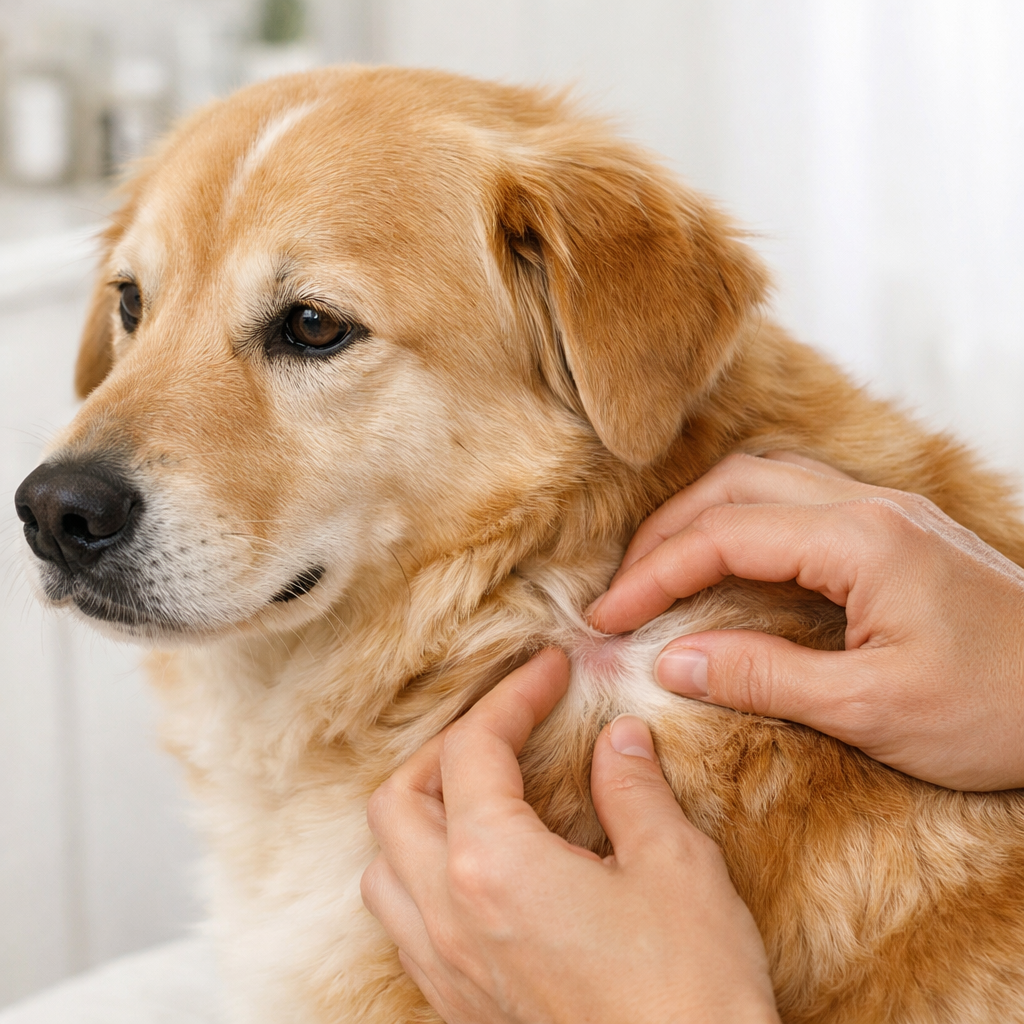
Understanding Dog Hot Spots Treatment
As dedicated pet parents, there is nothing quite as distressing as noticing your furry companion suddenly developing red, raw, and oozing patches on their skin. These inflammatory skin lesions, commonly referred to as “hot spots” or acute moist dermatitis, are a frequent source of discomfort for our canine friends, especially in India’s humid tropical climate. If you are looking for effective dog hot spots treatment, you have come to the right place. Our primary goal at Pawsitive Hoomans is to help you navigate these skin challenges with empathy, care, and science-backed information. We always recommend exploring our comprehensive dog care hub to ensure you have a strong foundation in maintaining your dog’s overall skin health and immunity.
Hot spots appear rapidly, often overnight. They are typically circular areas of red, inflamed, and sometimes pus-filled skin that dogs tend to lick, bite, or scratch incessantly. This self-trauma is the hallmark of the condition, and it is vital to interrupt this cycle as quickly as possible. While the sight of a hot spot can be alarming, they are generally manageable if approached with a calm, methodical, and gentle mindset using positive reinforcement techniques to keep your dog comfortable during the recovery phase.
The Pawsitive Hoomans Take
At Pawsitive Hoomans, we believe that the best approach to skin issues is holistic. While topical interventions are necessary, the underlying cause—whether it is flea allergies, environmental allergens, or excessive humidity—must be addressed. We advocate for a force-free approach to treatment: never punish your dog for scratching. Instead, use calming techniques and barriers like an Elizabethan collar (e-collar) to prevent further damage. Remember, your dog is in pain or feeling an intense itch; their reaction is an involuntary physiological response, not a behavioral issue. We emphasize gentle grooming, regular coat checks, and maintaining a cool, dry environment to prevent these painful flare-ups before they start.
🏥 Is your pet showing these symptoms? Log them instantly in our free Triage Engine inside Pet Passport to get immediate guidance.
Identifying the Root Causes
Research shows that hot spots are often secondary to an initial irritation. In India, factors like high humidity levels during the monsoon season can trap moisture against a dog’s skin, especially in breeds with thick undercoats. Flea bites are another leading cause; even a single bite can trigger an intense allergic reaction in sensitive dogs, leading to rapid self-mutilation. Furthermore, environmental allergies to grasses, weeds, or cleaning products used in the home can irritate the skin barrier, creating a perfect environment for bacterial overgrowth.
Gentle Care and Management
When you spot a potential hot spot, the first step is to gently clip the hair surrounding the lesion. This allows air to reach the skin and helps prevent the “moist” nature of the dermatitis from worsening. Use a clean, sterilized pair of grooming clippers and move slowly to avoid startling your dog. Once the area is clear of matted hair, gently clean the wound with a mild, water-based antiseptic solution recommended by your veterinarian. Never use alcohol or hydrogen peroxide, as these can sting and delay the healing process significantly. If your dog is in discomfort, it is crucial to consult your veterinarian for an appropriate pain management plan. For an exact dietary plan to boost skin health from the inside out, use the free Dog Diet Calculator at pawsitivehoomans.com/dog-diet/.
Preventive Measures
Prevention is always superior to treatment. Regular brushing is your best defense. By brushing your dog daily, you not only remove dead hair and debris but also allow yourself to inspect their skin for early signs of redness or irritation. During the monsoon, ensure your dog is thoroughly dried after walks. If they love playing in water or wet grass, a quick blow-dry on a cool setting or thorough towel-drying is essential. Additionally, maintaining a strict flea and tick prevention regimen is non-negotiable, especially in tropical climates. Always source preventatives through your vet to ensure they are safe for your specific dog’s health profile.
Not sure what your pet needs? Use our free tools — Emergency Triage Guide or Custom Diet Calculator.
The Role of Nutrition and Hydration
A healthy skin barrier starts with quality nutrition. Omega-3 fatty acids, often found in high-quality fish oil supplements, are known to support skin health and reduce systemic inflammation. However, always consult your veterinarian before adding supplements to your dog’s diet to ensure the dosage is appropriate for their size and health status. Proper hydration is equally important, as skin elasticity depends on the body having sufficient water intake. Keep fresh, clean water available for your dog at all times.
Conclusion
Dealing with skin issues requires patience and a gentle, observant hand. By keeping a close eye on your dog’s behavior and skin condition, you can catch hot spots before they become severe. Always remember that home care is meant to support, not replace, professional veterinary attention. For ongoing health monitoring, consider using our Pet Passport tool to keep a detailed record of your dog’s health history, which will be incredibly valuable during your next vet visit.
Frequently Asked Questions
Can I use coconut oil on my dog’s hot spot?
No, you should avoid applying coconut oil to an active, weeping hot spot because it can trap moisture and debris, potentially worsening the infection. While coconut oil has antimicrobial properties, it creates an occlusive layer that prevents the wound from “breathing” and drying out, which is necessary for healing acute moist dermatitis.
How quickly do hot spots spread on dogs?
Hot spots can spread very rapidly, often expanding from a small red dot to a large, oozing lesion within a few hours due to the intense “itch-scratch” cycle. The bacteria involved, typically Staphylococcus, thrive in moist, irritated skin, leading to a quick escalation that requires immediate intervention to stop the dog from causing further trauma.
Is it safe to use human antiseptic cream on a dog?
No, do not use human antiseptic creams or ointments on your dog without explicit approval from your veterinarian, as many human medications contain ingredients that are toxic if ingested when the dog licks the area. Always use veterinary-prescribed or approved topical treatments specifically formulated for canine skin safety.
Disclaimer: We are passionate pet care advocates, not veterinarians. The information provided here is for educational purposes and should not replace professional medical advice. Always consult your veterinarian before starting any new treatment or making changes to your pet’s health routine.