
The Importance of Healthy Dog Treats Homemade
Choosing the right snacks for your furry companion is just as important as selecting their main meals. When you prepare healthy dog treats homemade, you take complete control over the ingredients, ensuring your pet avoids harmful additives, excessive salts, and artificial preservatives often found in mass-produced options. As we explore the best ways to care for our canine friends, we invite you to browse our complete dog resource hub to learn more about holistic pet wellness. In India, where the climate can be humid and diverse, providing fresh, locally sourced treats can significantly boost your pet’s immunity and overall vitality.
Many commercially available treats are filled with fillers like corn syrup or dyes that offer zero nutritional value. By opting for homemade recipes, you can customize treats to suit your dog’s specific dietary needs—whether they are a senior needing joint support or a high-energy pup requiring extra protein. Always remember that while these treats are nourishing, they should never exceed 10% of your dog’s daily caloric intake. For an exact daily portion tailored to your dog’s weight, use the free Dog Diet Calculator at pawsitivehoomans.com/dog-diet/.
Benefits of Preparing Your Own Treats
At Pawsitive Hoomans, we advocate for transparency in everything your pet consumes. Homemade treats offer several advantages:
- Quality Control: You choose the quality of the meat, vegetables, and grains, avoiding low-grade animal by-products.
- Budget-Friendly: Cooking at home is often more economical than buying premium store-bought brands.
- Allergy Management: If your dog has sensitivities to wheat or chicken, you can easily swap ingredients to create hypoallergenic snacks.
- Positive Reinforcement: Using high-value, homemade rewards makes training sessions far more effective and enjoyable for your dog.
The Pawsitive Hoomans Take
We believe that food is a form of love. When you spend time in the kitchen preparing snacks for your dog, you are strengthening your bond. However, we must stress that ‘healthy’ is subjective; what works for one dog may not suit another. Always prioritize single-ingredient treats like air-dried pumpkin slices, carrot sticks, or boiled lean chicken breast. Avoid common kitchen staples that are toxic to dogs, such as onions, garlic, grapes, raisins, and chocolate. When experimenting with new ingredients, introduce them in very small quantities to monitor for any digestive upset or allergic reactions. If you are unsure about whether a specific ingredient is safe, your local veterinarian is the best person to consult before changing your dog’s diet.
⚖️ Track your pet’s weight and diet using our free Pet Passport Dashboard. Monitor trends before they become emergencies.
Simple Indian-Inspired Homemade Treats
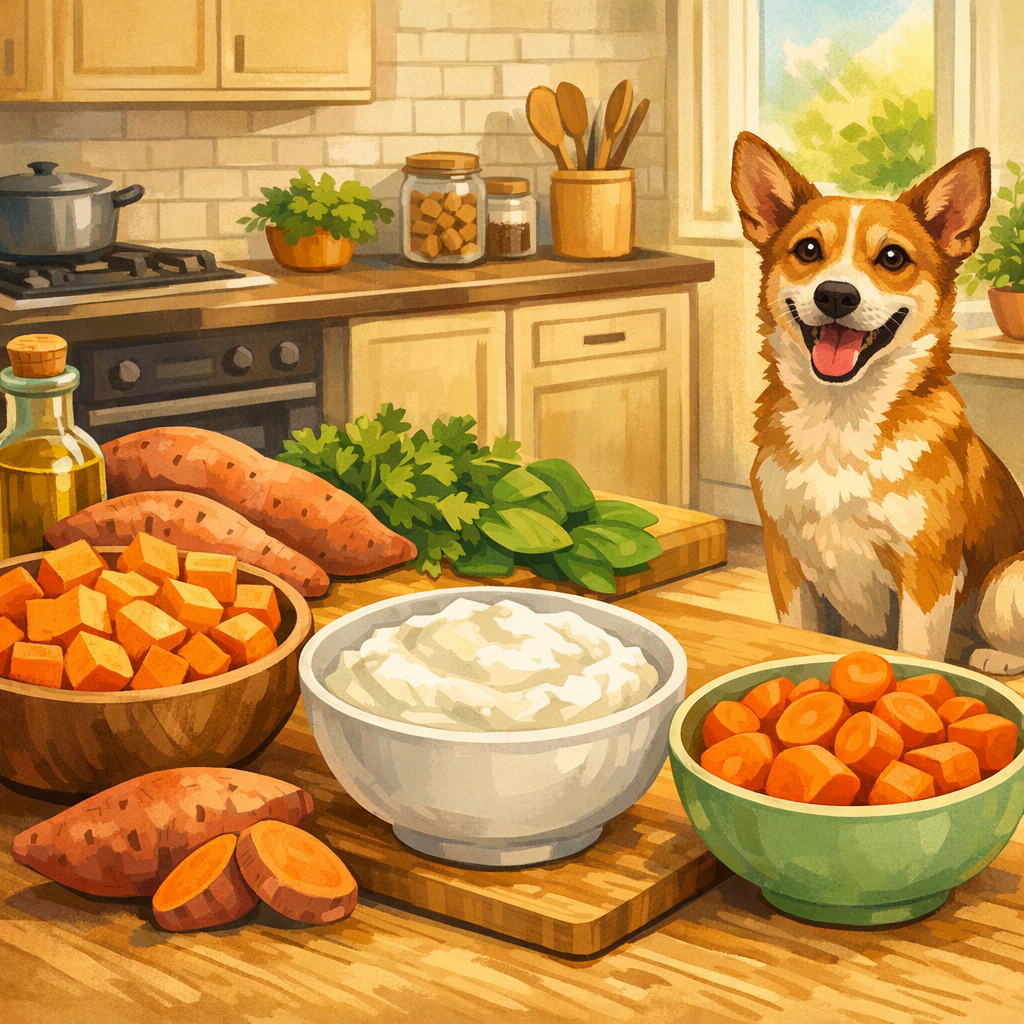
Integrating local Indian ingredients into your dog’s diet can be both fun and healthy. For instance, sweet potatoes (shakarkandi) are excellent sources of dietary fiber and vitamins. Simply slice them thin and bake until crispy. Similarly, plain curd (dahi) can be used as a base for frozen treats mixed with a little bit of banana. Remember, always use plain curd without any added sugar or xylitol. Another great option is coconut—a small amount of grated, raw coconut can be a great treat for skin health, though it should be given sparingly due to its high fat content.
Not sure what your pet needs? Use our free tools — Emergency Triage Guide or Custom Diet Calculator.
Frequently Asked Questions
Can I give my dog homemade chicken jerky every day?
No, chicken jerky should not be given every day and should only constitute a small portion of your dog’s total daily calorie intake. Homemade jerky is a great high-value treat for training, but feeding it too frequently can lead to nutritional imbalances or weight gain. Always ensure the chicken is plain, cooked thoroughly, and has no added salt or spices.
Is it safe to use curd in homemade dog treats?
Yes, plain, unsweetened curd (dahi) is safe and beneficial for most dogs in small amounts, provided they are not lactose intolerant. It is an excellent source of probiotics which can support digestive health. Avoid flavored or sugary yogurts, as these can be harmful to your dog’s gut health and may contain toxic artificial sweeteners like xylitol.
How long can I store homemade dog treats?
Most homemade treats without preservatives should be stored in an airtight container in the refrigerator for up to 3 to 5 days, or frozen for up to one month. Because these treats lack the commercial preservatives found in store-bought products, they spoil much faster. Always check for signs of mold or a sour smell before serving, and never serve anything you suspect has turned.
Can I add turmeric to my homemade dog treats?
Yes, adding a tiny pinch of organic turmeric to homemade dog treats can be beneficial due to its natural anti-inflammatory properties, provided your veterinarian approves it for your dog’s specific health profile. Always ensure the amount is very small, as large quantities can cause digestive irritation. Make sure it is pure turmeric without any additives or heavy metals, which are sometimes found in low-quality store-bought powders.
As you start your journey into homemade treat making, keep a record of what your dog enjoys and how their body responds to these new additions. Consistency is key to maintaining a healthy lifestyle, so don’t forget to maintain a log of their nutrition and health milestones using our Pet Passport. By keeping track of these details, you ensure that your homemade treats remain a positive addition to their life rather than a source of hidden complications.
Disclaimer: I am not a veterinarian or a medical professional. The information provided here is for educational purposes only and reflects the views of Pawsitive Hoomans. Always consult with a qualified veterinarian regarding your pet’s specific health needs, dietary restrictions, or before making any significant changes to their diet or routine.