
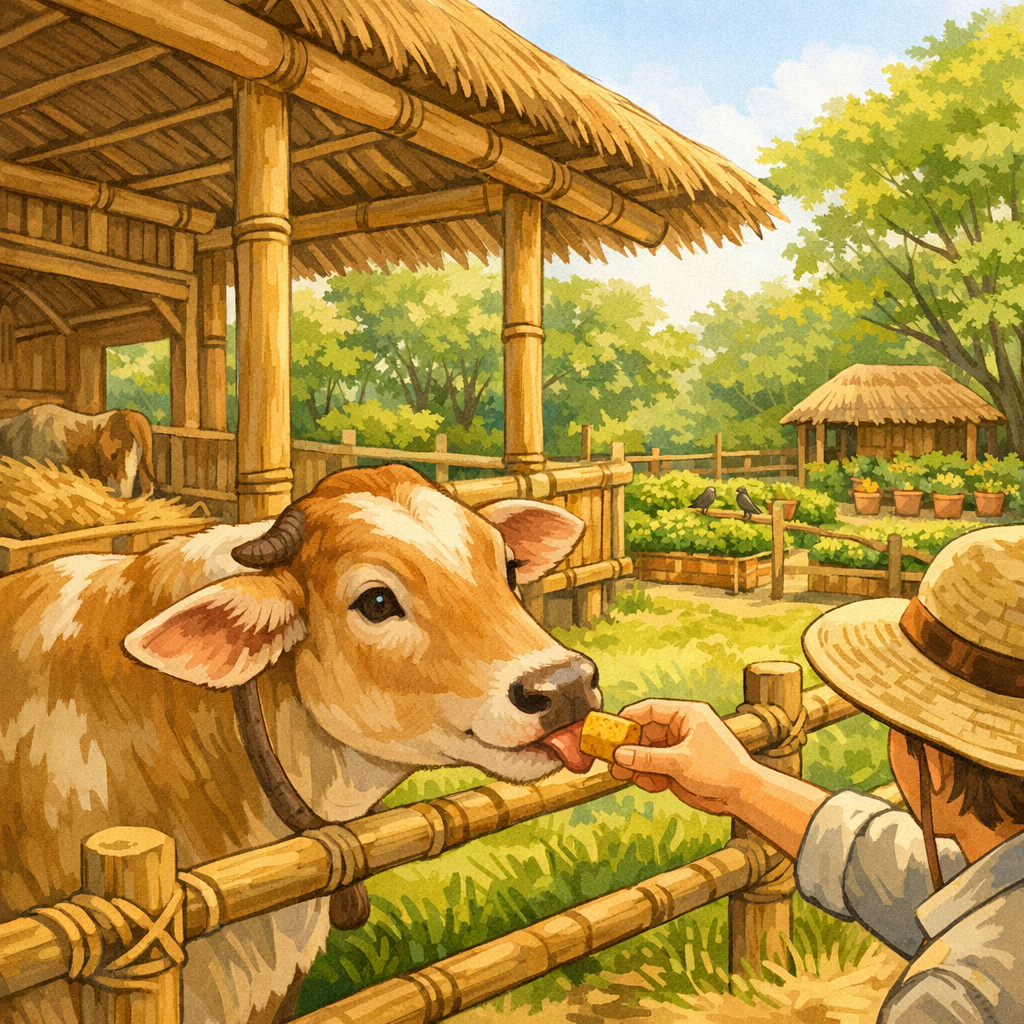
Understanding the Landscape of Cattle Fodder Cost in India
For many small-scale dairy farmers and those caring for rescued bovines, managing the rising cattle fodder cost in India is often the most significant financial hurdle. Ensuring our animals receive high-quality nutrition shouldn’t have to break the bank, yet global fluctuations and seasonal changes make this a constant challenge. At Pawsitive Hoomans, we believe that informed, compassionate care starts with understanding how to optimize resources without ever compromising the health of the animals under our stewardship. If you are new to the nuances of bovine care, exploring our cow-hub is an excellent way to ground yourself in ethical, healthy, and sustainable husbandry practices.
Rising expenses in animal husbandry are a reality, but by focusing on efficiency, better storage, and local sourcing, we can create a sustainable model. As pet parents and animal advocates, our goal is to maintain the gold standard of care while keeping our operations economically viable. Research shows that a balanced diet is the cornerstone of bovine wellness, and luckily, you don’t always need expensive, branded commercial feeds to achieve optimal health for your herd.
Strategies to Optimize Nutrition and Costs
One of the most effective ways to lower expenses is through the practice of silage making. By preserving green fodder during the peak season, you ensure that high-quality nutrition is available throughout the year, especially during dry seasons when prices typically spike. Fermentation of maize or grass into silage retains the nutritional integrity of the feed while reducing the need for costly external supplements.
Furthermore, shifting toward a mix of leguminous and non-leguminous fodder can naturally improve nitrogen intake, reducing your reliance on expensive protein concentrates. For an exact daily portion tailored to your cow’s weight and life stage, use the free Dog/Cattle Diet Calculator (adapted for your specific needs) at pawsitivehoomans.com/dog-diet/.
The Pawsitive Hoomans Take
At Pawsitive Hoomans, we are firmly against the commercial exploitation of animals and focus entirely on rescue and compassionate stewardship. When we look at the financial aspect of bovine care, we view it through the lens of longevity and quality of life. The cheapest path is rarely the best path, but the most expensive path is often unnecessary. We advocate for local, organic farming techniques that prioritize the animal’s natural grazing behaviors. We encourage all caregivers to seek guidance from local veterinary experts when making drastic changes to an animal’s diet, as individual health histories play a huge role in nutritional needs.
⚖️ Track your pet’s weight and diet using our free Pet Passport Dashboard. Monitor trends before they become emergencies.
It is vital to remember that nutrition is closely linked to immunity. Instead of viewing fodder as a commodity to be cut, view it as an investment in health. Preventive measures, such as proper storage to avoid mold and contamination, can save thousands in veterinary bills down the line. Always work with your local vet to ensure that any cost-saving measures you implement align with the specific health requirements of your cattle.
Why Local Sourcing Wins
Imported feeds often come with a heavy carbon footprint and a price tag inflated by logistics. By fostering relationships with local farmers or growing fodder on available land, you are not only reducing cattle fodder cost in India but also ensuring the freshness of the product. Nutrients degrade quickly, and local produce usually retains a higher vitamin profile than long-stored, commercially transported feeds.
Not sure what your pet needs? Use our free tools — Emergency Triage Guide or Custom Diet Calculator.
Frequently Asked Questions
Can I feed kitchen waste to my cows to save on costs?
No, you should never feed common kitchen waste to cows because it often contains onions, garlic, or cooked leftovers that can cause digestive toxicity or bloat. While certain vegetable peels like carrots or gourds can be fed in small, clean amounts, primary nutrition should always come from high-quality green fodder, dry straw, and mineral-balanced concentrates recommended by a professional.
How can I store green fodder for more than three months?
You can store green fodder for up to a year by converting it into silage using a pit or high-density plastic bag system to exclude oxygen. Properly packed silage undergoes anaerobic fermentation, which preserves the nutritional value and palatability of the forage, allowing you to bypass the high market prices of fresh fodder during the summer months.
Is it safe to give only dry straw as fodder to cattle?
No, feeding only dry straw is insufficient for cattle as it lacks the necessary protein, vitamins, and minerals required for their metabolic health. Dry straw should only serve as a source of fiber and roughage, and it must be supplemented with green fodder, legumes, and a mineral mixture to prevent malnutrition and stunted growth.
Managing the health and well-being of your cattle is a significant responsibility that requires constant learning and documentation. To keep a clear history of your animal’s nutritional intake, health milestones, and vaccinations, we highly recommend using our Pet Passport tool to organize all your records in one convenient location.
Disclaimer: Pawsitive Hoomans is an informational resource for pet and cattle care. We are not veterinarians. All decisions regarding the health, nutrition, or medical treatment of your animals should be made in consultation with a qualified veterinarian.