
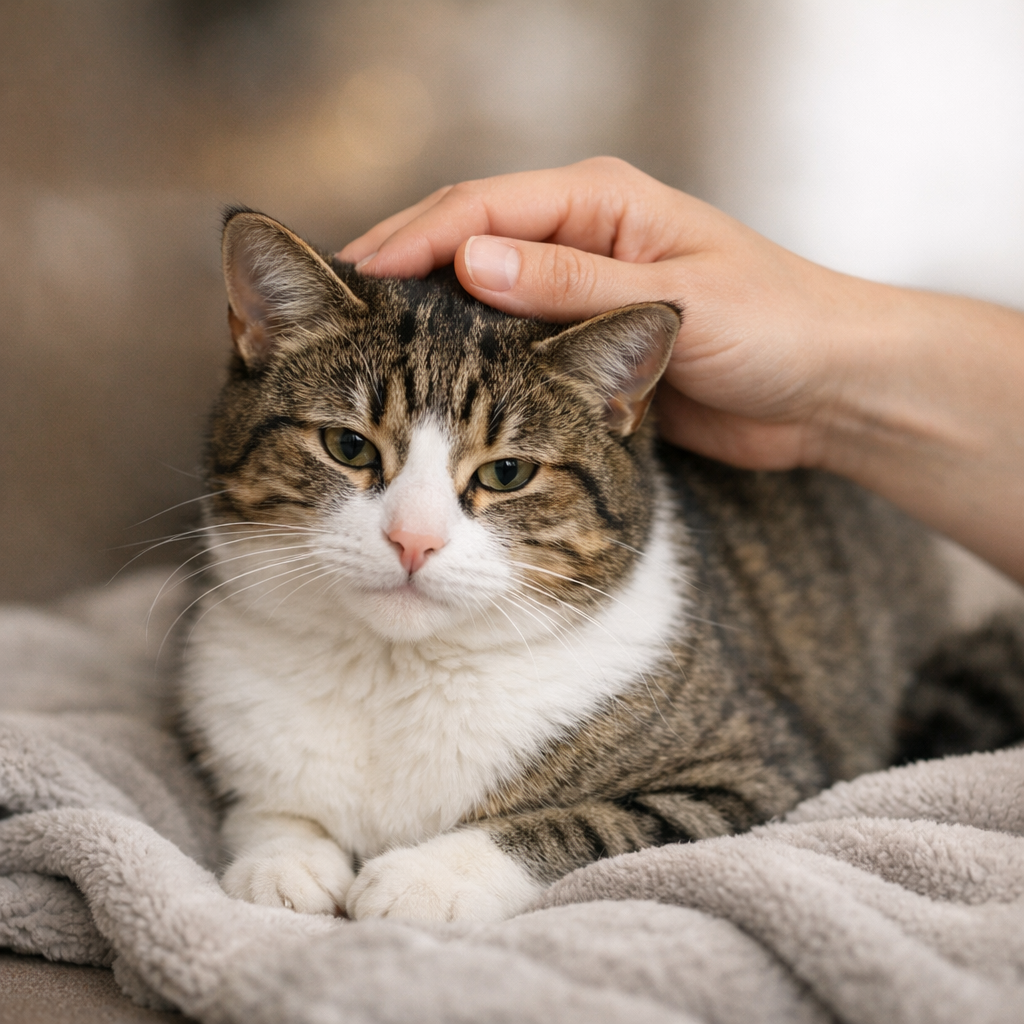
Understanding Cat Fever Symptoms: When Your Feline Needs Help
As dedicated pet parents, we always want our companions to feel their best, but spotting when something is wrong can be challenging. Because cats are masters at masking discomfort, understanding the subtle signs of cat fever symptoms is essential for every cat guardian. Whether you are navigating life with a playful kitten or a wise senior, learning how to identify changes in their health is a cornerstone of our cat care resources. Fever in cats is not a disease itself; it is the body’s natural response to an underlying issue, such as an infection, inflammation, or an immune response.
In many cases, a fever indicates that your cat’s immune system is fighting off a challenge. However, because cats can become dehydrated or weakened quickly, it is important to observe your cat closely if you suspect their body temperature is higher than normal. The normal body temperature for a cat typically ranges between 100.5°F and 102.5°F (38°C to 39.2°C). Anything consistently above this threshold warrants a closer look and, in many instances, professional guidance.
Common Indicators of Fever in Cats
Unlike humans, cats don’t usually walk around shivering or complaining of a headache. Instead, their behavioral cues are often the first alarm bells. If your cat suddenly becomes lethargic, hiding under the bed for longer periods than usual, this is often a sign of malaise. Reduced appetite is another common cat fever symptom. If your cat refuses their favorite wet food or shows little interest in treats, it is a significant indicator that they are not feeling like their usual self.
Physical signs can include warm ears or paws. While many pet parents believe a warm nose is a definitive test for fever, this is actually an unreliable method. A cat’s nose can be warm due to sunbathing, the environment, or activity. Veterinary experts recommend focusing on behavioral changes and a “dull” appearance in the eyes as more reliable indicators than the temperature of the nose alone. Other signs include increased respiratory rate, heavy panting (which is very abnormal for a cat), and a lack of grooming, leading to a matted or unkempt coat.
The Pawsitive Hoomans Take
At Pawsitive Hoomans, we believe that being a proactive pet parent is the best form of medicine. We advocate for a “low-stress” approach to monitoring your cat’s health. If you notice your cat is unusually quiet, not eating, or avoiding interaction, don’t wait to see if it “passes.” While we support holistic care and stress-free environments, medical conditions require the expert eye of a qualified veterinarian. You should never attempt to use human fever-reducing medications like paracetamol or ibuprofen, as these are toxic and can be fatal to cats. Always rely on professional guidance to determine the cause of the fever before proceeding with any care plan.
🏥 Is your pet showing these symptoms? Log them instantly in our free Triage Engine inside Pet Passport to get immediate guidance.
When to Seek Veterinary Care
If the fever is accompanied by vomiting, diarrhea, difficulty breathing, or complete refusal to drink water, this constitutes an emergency. Cats can quickly become dehydrated, and high temperatures can damage internal organs if left untreated for too long. If you suspect your cat has a fever, observe them for other symptoms and keep a log of their behavior. This record will be incredibly helpful for your vet when you go in for an examination.
Remember, a veterinarian will need to perform a physical exam and potentially blood work to find the root cause, whether it is a viral infection, a bacterial issue, or an abscess. Keeping your cat in a calm, cool, and quiet room while you prepare for a vet visit is the most supportive thing you can do. Ensure they have access to fresh water, but do not force-feed them if they are nauseated.
Not sure what your pet needs? Use our free tools — Emergency Triage Guide or Custom Diet Calculator.
Moving Forward with Confidence
Caring for a sick cat requires patience and vigilance. By staying informed about cat fever symptoms and keeping a structured record of your cat’s health history, you empower yourself to make better decisions. We encourage all cat parents to utilize tools like the Pet Passport to ensure you are tracking all behavioral shifts, grooming changes, and weight trends effectively. This digital log helps bridge the gap between home observation and the clinical diagnosis provided by your vet.
Frequently Asked Questions
How can I check if my cat has a fever at home without a thermometer?
You cannot accurately diagnose a fever without a rectal thermometer, but you can look for behavioral red flags like extreme lethargy, loss of appetite, and a lack of grooming. If you notice your cat is hiding, panting, or has unusually warm ears and paws combined with a “dull” demeanor, these are signs that your cat feels unwell and requires a professional assessment.
Is it safe to give my cat a paracetamol tablet for fever?
No, you should never give your cat paracetamol, aspirin, or ibuprofen, as these are highly toxic and can cause fatal organ damage in felines. Always consult with your veterinarian before administering any medication, as even small doses of human medicine can be dangerous for a cat’s physiology.
What should I do if my cat hasn’t eaten in 24 hours?
You must contact your veterinarian immediately, as cats going without food for 24 hours can develop a dangerous condition called hepatic lipidosis (fatty liver disease). A cat refusing food is a significant medical concern that requires professional intervention to identify the underlying cause, especially if a fever is suspected.
Disclaimer: We are passionate pet care advocates, not veterinarians. The information provided here is for educational purposes only and should not replace professional veterinary advice, diagnosis, or treatment. Always consult with a qualified veterinarian regarding your pet’s health or medical conditions.