
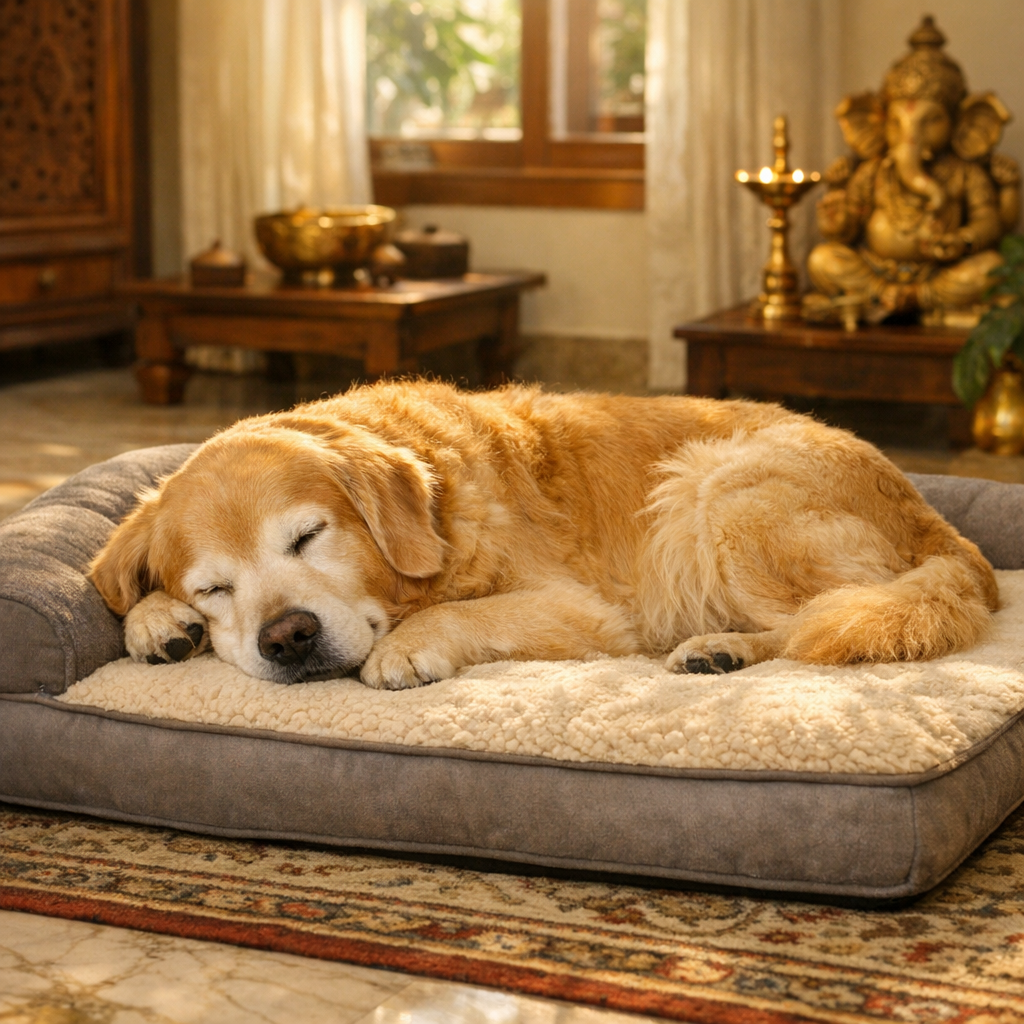
Senior Dog Care in India: A Guide to Aging Gracefully
Watching our furry companions move from energetic puppyhood to their golden years is a journey filled with love, patience, and evolving needs. As pet parents, we understand that senior dog care in India requires specific considerations—ranging from our warm climate to the unique dietary needs of aging canine companions. As part of our commitment to the dog-hub, we focus on ensuring your senior dog lives their best life with comfort and dignity. Aging is not a disease, but it is a transition that calls for extra attention to their physical and emotional well-being.
When our dogs enter their “senior” years—usually around 7-9 years of age depending on the breed—their metabolism slows down, their joints may become stiffer, and their senses might dull. Managing these changes in the Indian context means being mindful of heat management, floor surfaces, and the specific nutritional adjustments that keep them thriving even as they slow down.
The Pawsitive Hoomans Take
At Pawsitive Hoomans, we believe that senior care is an act of deep gratitude. Our philosophy centers on force-free, pain-free aging. This means adjusting your home environment to remove obstacles, choosing gentle enrichment over high-impact play, and being the strongest advocate for your pet’s comfort. We never support the use of aversive tools; instead, we lean into positive reinforcement. If your dog is struggling with mobility or hearing loss, patience and gentle communication become your most valuable assets. Always remember that while we offer guidance, any sudden change in your dog’s health or behavior must be evaluated by a qualified veterinarian to rule out medical issues.
🏥 Is your pet showing these symptoms? Log them instantly in our free Triage Engine inside Pet Passport to get immediate guidance.
Adapting Nutrition for Senior Dogs
A senior dog’s nutritional requirements are quite different from those of an active puppy. As their activity levels decrease, their caloric intake needs to be adjusted to prevent obesity, which can severely impact joint health. Many senior dogs benefit from diets that are higher in quality protein to maintain muscle mass and rich in Omega-3 fatty acids to support joint and cognitive health. For an exact daily portion tailored to your senior dog’s weight, use the free Dog Diet Calculator at pawsitivehoomans.com/dog-diet/.
In India, ensure that your dog’s water intake remains high, especially during the summer months. Keeping them hydrated is vital for kidney function, which can be a common area of concern for older pets. Always provide cool, fresh water in multiple locations around the house, making it easily accessible so your dog doesn’t have to climb stairs or navigate slippery floors to reach it.
Managing Mobility and Comfort
Stiff joints are a reality for many aging dogs. If your home has tiled or marble floors, these can be quite slippery for a dog losing their footing. Consider adding rubber mats or anti-slip rugs in areas where your dog spends most of their time. These simple adjustments can give your senior companion the confidence to move around without the fear of falling.
Veterinary experts recommend regular, gentle exercise. While your dog may not want to run for miles anymore, short, slow, and frequent walks are beneficial for both their physical maintenance and their mental stimulation. Pay attention to the time of day—avoid walking during the peak heat hours of the Indian sun. Early mornings and late evenings are best for keeping them comfortable.
Not sure what your pet needs? Use our free tools — Emergency Triage Guide or Custom Diet Calculator.
Mental Health and Enrichment
Cognitive decline can sometimes manifest as restlessness, night pacing, or disorientation. Keep your senior dog mentally sharp by introducing gentle enrichment. Snuffle mats, easy-to-reach puzzle toys, or simple scent-work games can keep their brain engaged without physical exertion. Most importantly, continue to provide affection, but be mindful of their boundaries if they are in pain. A gentle massage or simply being present while they nap can provide immense emotional comfort.
Consistency is key. Senior dogs often find comfort in predictable routines. Try to keep feeding, walking, and sleeping times consistent, as this reduces anxiety and helps them feel secure in their environment.
Frequently Asked Questions
How do I know if my senior dog is in pain?
Signs of pain in senior dogs include reluctance to climb stairs, changes in gait, difficulty rising, panting when resting, or withdrawing from social interaction. Many Indian pet parents mistake these symptoms for just “old age,” but persistent discomfort often indicates arthritis or other treatable conditions that a veterinarian should assess for pain management strategies.
What is the best way to keep my senior dog cool in the Indian heat?
Keep your senior dog in well-ventilated, indoor areas with a fan or air conditioner and use elevated cooling mats to prevent them from lying directly on warm floors. Ensure they have constant access to cool water and avoid all outdoor activities during the day, choosing only early morning or late night for quick bathroom breaks.
Should I change my dog’s food as they get older?
Yes, senior dogs generally require fewer calories and more digestible proteins, along with joint-supporting supplements like glucosamine and chondroitin. You should consult your veterinarian to transition to a senior-specific formula or an adjusted homemade diet, as their kidney and liver health may require specific nutrient balances that differ from younger dogs.
Taking care of a senior dog is a labor of love that changes your perspective on life. To keep track of their evolving health journey, including medication reminders and weight history, don’t forget to maintain a digital health record through our Pet Passport system, ensuring you have all the necessary information for their regular vet check-ups.
Disclaimer: The information provided in this article is for educational purposes only and does not constitute veterinary medical advice. Always consult with a qualified veterinarian regarding the specific health needs, diet, or treatment of your pet. Never delay seeking professional medical advice because of something you have read here.