
Understanding Cat Diabetes Signs
As dedicated pet parents, we want nothing more than for our feline companions to live long, vibrant lives. However, metabolic issues like diabetes mellitus are becoming increasingly common in our indoor cats. Recognizing cat diabetes signs early is one of the most effective ways to manage this condition successfully. When you notice subtle changes in your cat’s behavior or physical health, it is essential to act with calm, informed care. Navigating these health concerns can feel overwhelming, but exploring our cat-hub is a great first step to learning more about your feline’s overall wellness and preventative care.
Diabetes in cats occurs when the body either fails to produce enough insulin or cannot use the insulin it produces effectively. This leads to high levels of sugar in the blood, which can manifest in several physical changes. Because cats are masters at masking discomfort, these signs can sometimes be overlooked until they become more pronounced. By staying observant of your cat’s daily routine—from how often they use the litter box to their activity levels—you can catch these symptoms before they lead to further complications.
Key Symptoms to Watch For
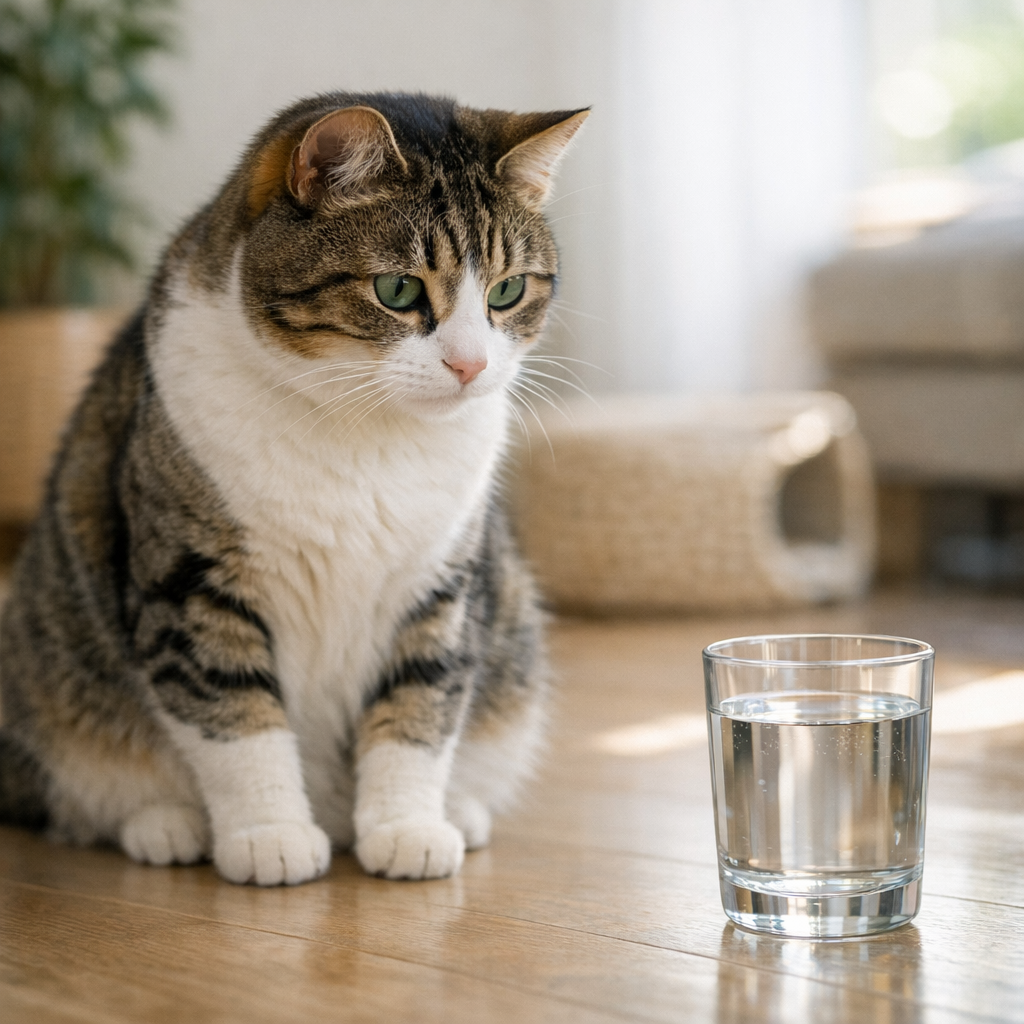
The most common clinical indicators of feline diabetes involve changes in thirst, appetite, and energy. If you notice that your cat is frequenting the water bowl significantly more than usual, this is often the first red flag. Increased thirst, known as polydipsia, is the body’s attempt to flush out excess glucose through the kidneys. Naturally, this leads to increased urination. If you notice your cat’s litter box is much clumpier or needs to be scooped more frequently, it is time to take notice.
Another classic sign is a shift in appetite. Surprisingly, a diabetic cat may have an insatiable hunger (polyphagia) but still experience unexplained weight loss. This happens because, without insulin, the cells cannot access the glucose in the blood for energy, leaving the body in a state of starvation despite constant food intake. Additionally, you might notice your cat becoming lethargic or showing a change in their walking gait, sometimes appearing to walk on their hocks rather than their toes, which can be a sign of diabetic neuropathy.
The Pawsitive Hoomans Take
At Pawsitive Hoomans, we believe that being a proactive advocate for your cat is the most loving thing you can do. Diabetes is a manageable condition, and many cats go on to live high-quality, happy lives with the right routine. We advocate for a “slow and steady” approach to monitoring, using consistent observations and regular check-ups with your vet to maintain balance. Positive reinforcement during any health treatments—like rewarding your cat after a blood glucose check—can make the entire process stress-free for both of you. Never resort to punishment or force; instead, focus on making medical care a calm part of your shared bond.
🏥 Is your pet showing these symptoms? Log them instantly in our free Triage Engine inside Pet Passport to get immediate guidance.
Managing Your Cat’s Health Journey
Once you suspect diabetes, your first stop must always be a qualified veterinarian. They will perform blood and urine tests to reach a definitive diagnosis. It is important to remember that diabetes management often involves a multi-pronged approach, including dietary adjustments, weight management, and potentially insulin therapy. For an exact daily portion tailored to your cat’s specific health needs, use the free Custom Diet Calculator at pawsitivehoomans.com/dog-diet/ to ensure their nutrition supports their metabolic health.
Weight management is perhaps the most critical factor. In India, where many cats are kept as indoor companions, obesity often goes unnoticed under thick coats. Maintaining an ideal body condition score can significantly reduce the risk of diabetes or help manage existing symptoms. Focus on high-protein, low-carbohydrate diets as recommended by your vet, and avoid human food scraps which can cause unpredictable spikes in blood sugar levels.
Consistency is your greatest tool. Try to feed your cat at the same times every day and maintain a routine that minimizes stress. Cats are creatures of habit, and stability in their environment helps in stabilizing their glucose levels. When tracking your cat’s weight, diet, and any subtle behavioral shifts, keeping a structured record is invaluable. You can easily manage your cat’s health history and monitor their progress by utilizing our Pet Passport tool, which keeps all their medical records and symptom logs in one accessible location.
Not sure what your pet needs? Use our free tools — Emergency Triage Guide or Custom Diet Calculator.
Frequently Asked Questions
Why is my cat drinking so much water suddenly?
A sudden increase in water consumption is often a sign of diabetes or kidney issues and requires a professional vet evaluation. When blood sugar levels are high, the body attempts to expel the excess sugar through urine, which causes the cat to become chronically dehydrated, leading to excessive thirst.
Can a diabetic cat eat home-cooked food?
Yes, a diabetic cat can eat home-cooked food, provided the diet is strictly formulated by a veterinary nutritionist to be low-carbohydrate and high-protein. Avoid adding grains, rice, or starchy vegetables, as these can cause significant blood sugar spikes that interfere with medical management.
How do I know if my cat is losing weight even if they are eating well?
If your cat maintains or increases their appetite but continues to lose weight, it is likely that their body is unable to process glucose, essentially causing them to burn their own muscle and fat for energy. This is a classic symptom of diabetes that necessitates immediate blood work at your vet’s office.
Disclaimer: Pawsitive Hoomans does not provide medical diagnoses or treatment. The information provided is for educational purposes only. Always consult with a qualified veterinarian regarding the health, diet, and medical care of your pet. Never ignore professional veterinary advice or delay seeking it because of something you have read here.