
Understanding Unexplained Cat Weight Loss Causes
As dedicated cat parents, we often think of our feline companions as resilient, independent creatures. However, when you notice your cat looking a bit slimmer or their ribs becoming more prominent, it is a signal that deserves our immediate attention. Unexplained cat weight loss causes can range from simple dietary changes to more complex underlying medical conditions that require intervention. If you are navigating these concerns for your feline friend, our cat hub is a great place to start learning about general feline wellness and how to better advocate for your pet’s long-term health.
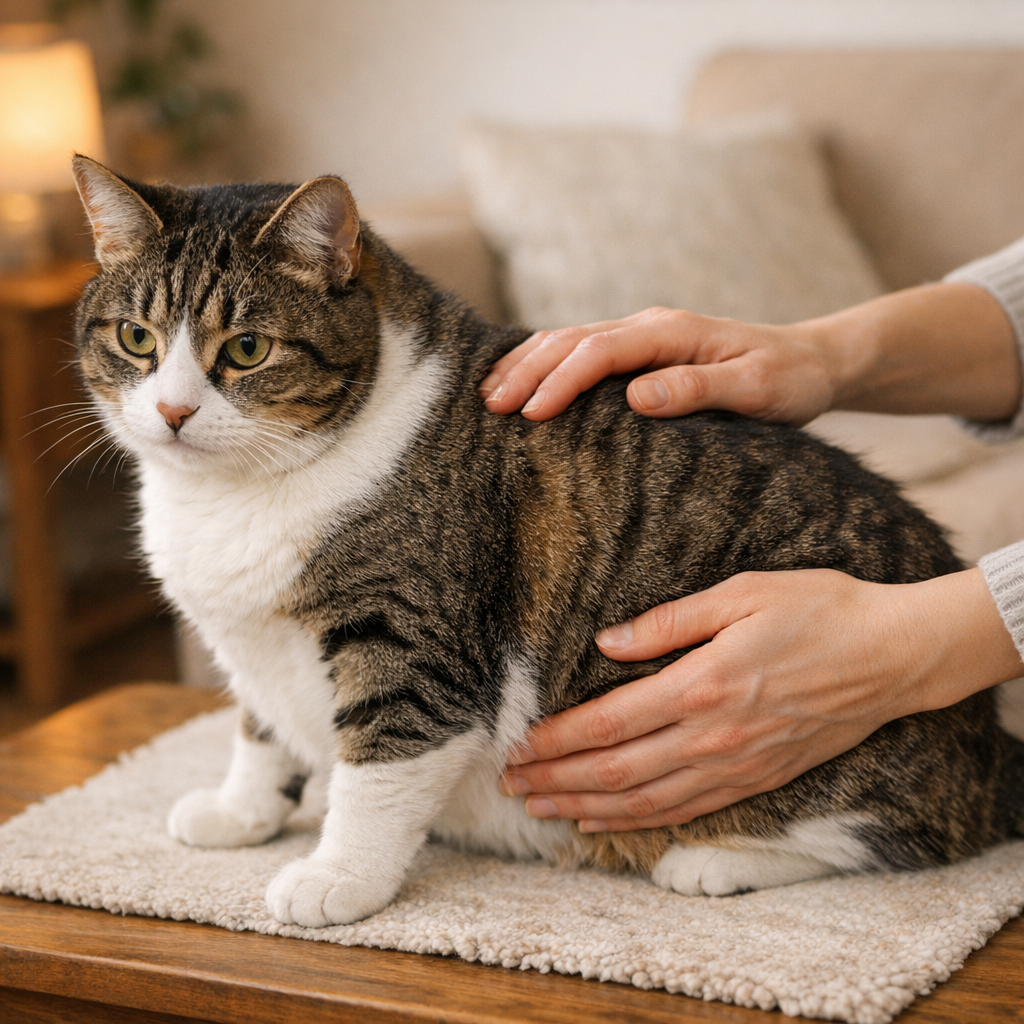
Weight loss is rarely a primary disease in itself; rather, it is usually a symptom of something else happening within the body. Whether your cat is still eating normally but losing weight, or has stopped eating altogether, observing these changes is the first step in being a proactive Pawsitive Hoomans member. Remember, cats are experts at masking illness, so by the time physical weight loss becomes obvious to the naked eye, the issue may have been present for some time.
The Pawsitive Hoomans Take
At Pawsitive Hoomans, we believe that tracking your cat’s health markers is the single most effective way to catch illness early. We are firm advocates for routine weight monitoring, as sudden shifts can be the earliest sign of trouble. While we cannot diagnose medical issues, we encourage you to look at the ‘big picture’ of your cat’s behavior. Are they more lethargic? Are they drinking more water? Has their litter box frequency changed? These nuances are vital pieces of information that you should share with your veterinarian during an examination. We never suggest waiting to see if a cat ‘bounces back’ from weight loss; early investigation is always safer and less stressful for your cat.
🏥 Is your pet showing these symptoms? Log them instantly in our free Triage Engine inside Pet Passport to get immediate guidance.
Common Reasons for Feline Weight Loss
When considering why a cat might be losing weight, we look at several common categories. Hyperthyroidism is a frequent culprit, especially in middle-aged and senior cats. This condition causes the metabolism to go into overdrive, leading to weight loss despite an often ravenous appetite. Another common factor is chronic kidney disease, which can cause a decrease in appetite and overall malaise. Dental disease, which is unfortunately common in cats, can make chewing painful, leading a cat to eat less even if they are hungry.
Parasitic infections are also a concern, particularly in younger cats or those who have had access to the outdoors. Intestinal worms can rob a cat of essential nutrients, leading to weight loss even when their diet seems sufficient. For an exact daily portion tailored to your cat’s weight, use the free Cat Diet Calculator at pawsitivehoomans.com/cat-diet/ to ensure they are getting the right balance of nutrition for their specific life stage and activity level.
Environmental and Behavioral Factors
Beyond medical conditions, stress and anxiety can significantly impact a cat’s appetite. Changes in the home environment, such as a new pet, moving to a new house, or even the introduction of a new brand of food, can cause a cat to go off their feed. Cats are creatures of routine, and disruption to their environment can manifest as physical symptoms, including weight loss. Always aim to provide a safe, enriched space where your cat feels secure and free from stressors.
When to Consult a Professional
If you notice your cat has lost more than 5% of their body weight in a short period, it is time to make an appointment with your veterinarian. Do not attempt to manage these symptoms with homemade remedies or supplements without a professional diagnosis. A veterinarian will likely perform blood work, urinalysis, and potentially imaging to identify the specific cause of the weight loss. Getting ahead of these issues is the best way to ensure your cat stays happy and healthy for years to come.
Not sure what your pet needs? Use our free tools — Emergency Triage Guide or Custom Diet Calculator.
Conclusion
Managing your cat’s health starts with awareness. By keeping a detailed history of your cat’s weight, diet, and behavior changes using our Pet Passport, you can provide your vet with a valuable clinical picture that helps expedite a diagnosis. Remember, your vigilance is your cat’s greatest asset.
Frequently Asked Questions
Why is my cat eating well but still losing weight?
A cat that eats well but loses weight often has an underlying metabolic issue, such as hyperthyroidism or diabetes, which prevents the body from properly utilizing nutrients. These conditions essentially force the cat’s body to burn energy much faster than it can be replaced, even when the cat is eating a standard amount of food.
How much weight loss in a cat is considered dangerous?
Any weight loss exceeding 5% of your cat’s total body weight in a short period is considered clinically significant and requires a veterinary visit. If your cat weighs 4 kg, a loss of 200 grams is enough to warrant an investigation, especially if it happens over a few weeks or less.
Can stress cause a cat to lose weight?
Yes, significant stress, anxiety, or environmental changes can cause a cat to lose their appetite and subsequently lose weight. If you have recently changed your routine, brought a new pet home, or moved house, your cat may be struggling to adjust, leading to a reduced interest in food.
Disclaimer: Pawsitive Hoomans is an informational resource and is not a substitute for professional veterinary advice, diagnosis, or treatment. Always seek the advice of your veterinarian with any questions you may have regarding a medical condition. Never disregard professional veterinary advice or delay in seeking it because of something you have read here.