
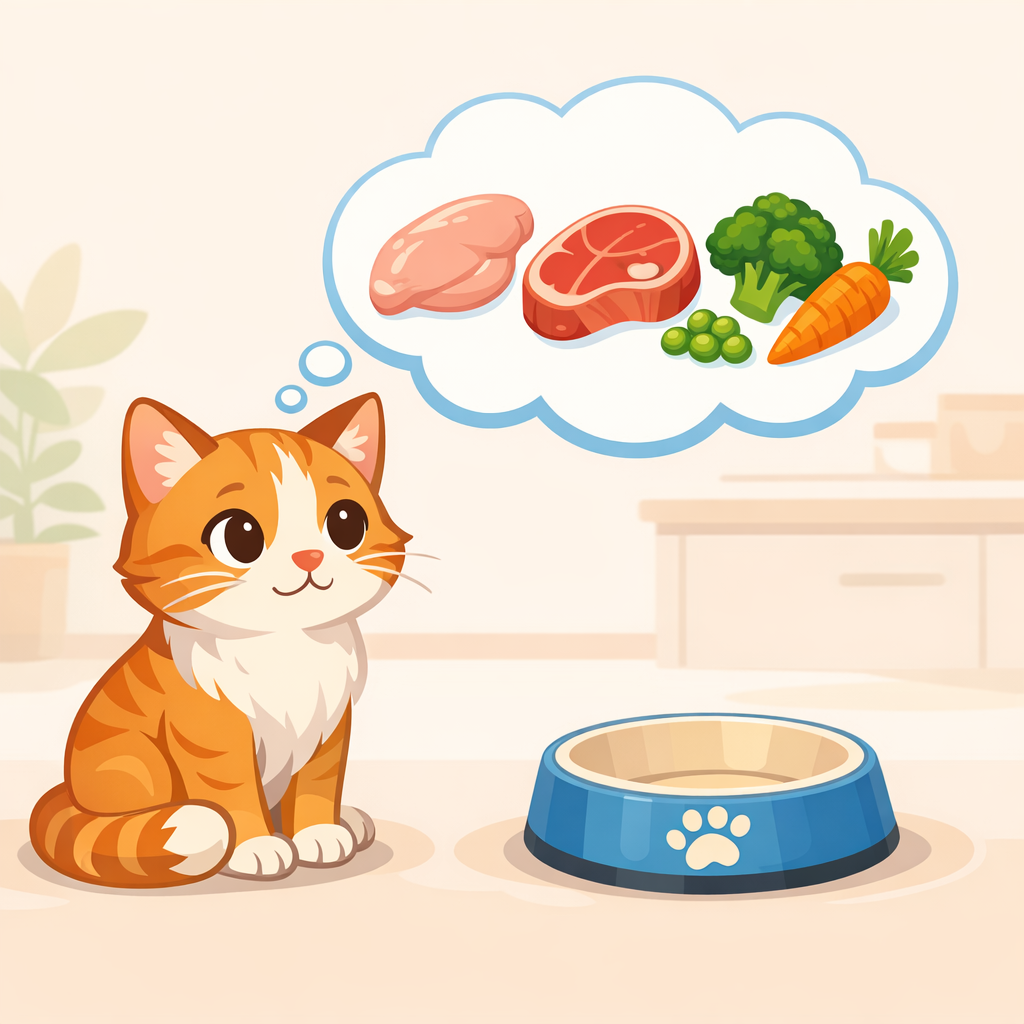
Understanding Cat Food Allergies Symptoms
As dedicated pet parents, we often find ourselves wondering why our feline companions might be scratching more than usual or experiencing digestive ups and downs. Recognizing cat food allergies symptoms early on is the first step in ensuring your cat lives a comfortable, itch-free life. While many cats thrive on standard diets, some develop hypersensitivities to specific protein sources, which can manifest in a variety of ways. If you are navigating the journey of cat ownership, be sure to visit our comprehensive cat-hub for expert resources on keeping your feline friend healthy and happy in the Indian climate.
It is important to differentiate between food allergies and food intolerances. A true food allergy is an immune system response, where the cat’s body mistakenly identifies a protein—like chicken, beef, or even fish—as a threat. An intolerance, on the other hand, is a digestive issue that doesn’t involve the immune system. Regardless of the distinction, the discomfort for your cat remains the same, and identifying the root cause requires patience and observation.
Common Signs of Food Allergies in Cats
The skin is often the first place we notice issues. If your cat is excessively grooming, you might find bald patches, red or inflamed skin, or small bumps, especially around the head, neck, and ears. While these symptoms are often associated with environmental allergies, diet plays a significant role. If you notice persistent itching that doesn’t seem to have a seasonal pattern, it is time to look at the food bowl.
Digestive issues are another hallmark of dietary sensitivities. Frequent vomiting, chronic diarrhea, or loose stools can signal that the food is not agreeing with your cat’s system. Some cats may also show signs of flatulence or a change in appetite. Remember, chronic digestive issues should never be ignored, as they can lead to dehydration and nutrient deficiencies.
The Pawsitive Hoomans Take
At Pawsitive Hoomans, we believe that an observant pet parent is the best advocate for their cat’s health. We advocate for a “back-to-basics” approach when dealing with suspected allergies. Often, commercially available cat foods contain fillers, preservatives, or artificial flavorings that can irritate a cat’s sensitive system. We encourage focusing on high-quality, single-protein diets and monitoring your cat’s reactions closely. For an exact nutritional plan tailored to your cat’s weight and activity levels, use the free Custom Diet Calculator available on our platform.
⚖️ Track your pet’s weight and diet using our free Pet Passport Dashboard. Monitor trends before they become emergencies.
Managing Allergies with Elimination Diets
Veterinary experts recommend the elimination diet as the gold standard for diagnosing food allergies. This process involves switching your cat to a “novel” protein source—a food they have never eaten before, such as duck, rabbit, or lamb—and completely removing all other food items, including treats, for a period of 8 to 12 weeks. If the symptoms resolve, you can gradually reintroduce previous foods one by one to see which one triggers the reaction.
In India, where access to specialized feline-grade novel protein diets can sometimes be challenging, many pet parents opt for home-cooked meals under the strict guidance of a veterinary nutritionist. Always ensure that home-cooked meals are balanced, as cats require specific amino acids like taurine that, if missing, can lead to severe health complications. Avoid using human seasonings, onions, garlic, or excessive salt, as these are toxic to cats.
Environmental vs. Food Allergies
It is vital to remember that not all itching is food-related. In India, factors like high humidity, dust mites, and local pollen counts can trigger environmental allergies. Before assuming it is the food, your vet may suggest ruling out fleas, ticks, and ringworm, which are very common in our climate. Keeping a log of when the symptoms appear—and what the cat has eaten that day—can be incredibly helpful for your vet during diagnosis.
Managing your cat’s health records efficiently allows for quicker diagnosis. You can easily track your pet’s health history, dietary changes, and symptom logs using the Pet Passport tool to ensure your vet has a complete picture during your next visit.
Frequently Asked Questions
Can I give my cat curd or milk if they have a food allergy?
No, you should not feed your cat milk or curd if you suspect a food allergy, as many cats are lactose intolerant and dairy is a common allergen. Most adult cats lack the enzyme lactase needed to break down dairy, which can lead to bloating, diarrhea, and further inflammation of the digestive tract, potentially masking or worsening your cat’s allergic symptoms.
How long does it take for food allergy symptoms to go away in cats?
It typically takes between 8 and 12 weeks of a strict elimination diet for a cat’s food allergy symptoms to completely subside. The immune system requires this window to stop reacting to the allergen and for the skin or digestive tract to heal, so consistency is key during the trial period.
Are local Indian fish varieties safe for cats with allergies?
Yes, certain local fish like small sardines or mackerel can be safe, but they are common allergens and must be used with caution during an elimination trial. If your cat is prone to food sensitivities, it is safer to start with a less common protein source that your cat has never consumed before to avoid triggering a flare-up.
Not sure what your pet needs? Use our free tools — Emergency Triage Guide or Custom Diet Calculator.
Disclaimer: The information provided here is for educational purposes only and is not a substitute for professional veterinary advice, diagnosis, or treatment. Always consult with a qualified veterinarian before making significant changes to your pet’s diet or if you suspect your cat is suffering from a medical condition.