
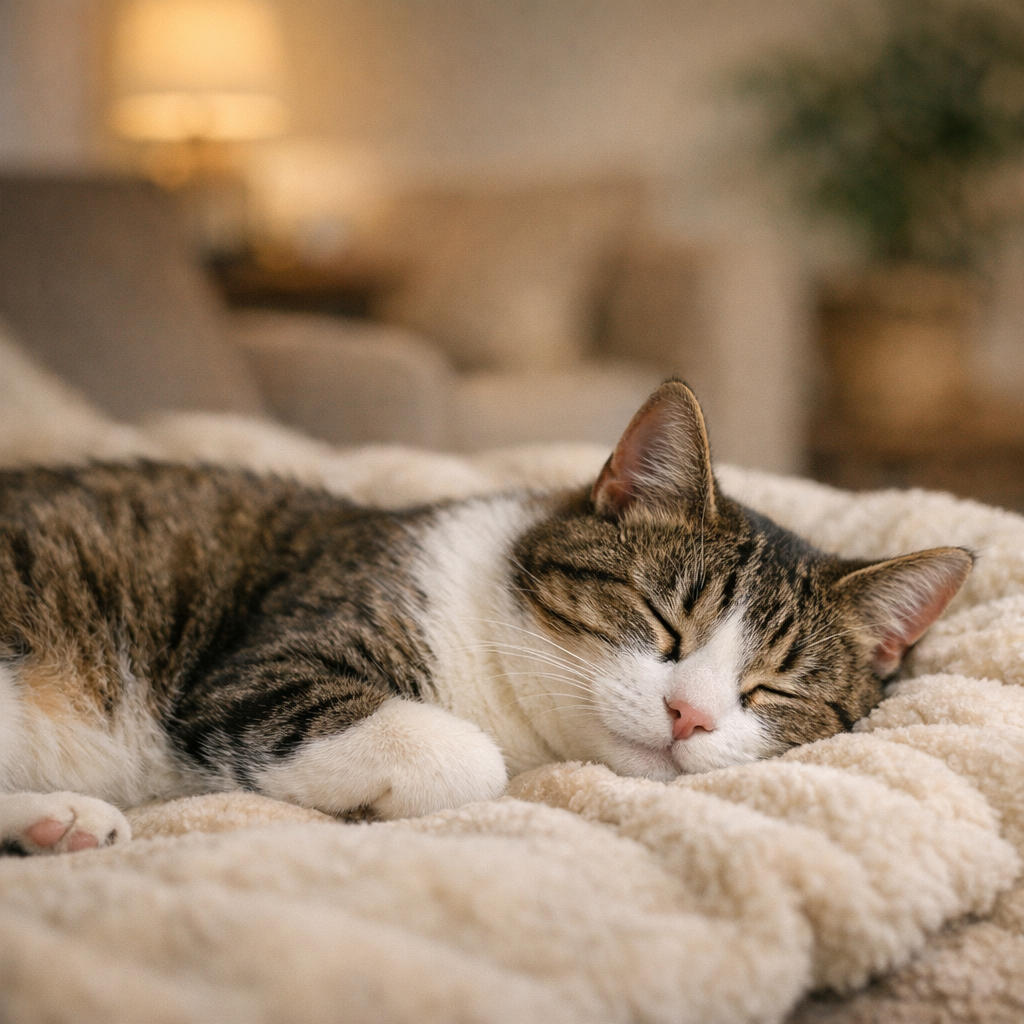
Understanding your cat’s resting respiratory rate
As dedicated pet parents, we cherish those quiet moments when our furry friends are curled up beside us, peacefully snoozing after a long day of play. However, if you notice your cat breathing fast resting, it can be an immediate cause for concern. Observing your feline friend’s breathing patterns is a crucial part of being a proactive guardian, especially since cats are masters at masking discomfort. Whether you are a first-time owner or a long-time feline enthusiast exploring our comprehensive cat hub for expert guidance, understanding the nuance between normal rhythmic breathing and respiratory distress is vital for your cat’s long-term health.
It is important to remember that cats are “obligate nose breathers” and usually have a very subtle respiratory rhythm. When a cat is in a state of deep, calm rest, their chest should rise and fall gently. If you notice persistent heavy breathing, open-mouth breathing, or abdominal effort while your cat is completely still, it is time to pay close attention. As pet parents, we often want to wait and see if things improve, but respiratory issues in cats can escalate rapidly. Research shows that early intervention is the key to managing potential health crises effectively.
Identifying respiratory distress signs
Before you panic, it helps to distinguish between a cat that is simply overheated or dreaming, and a cat experiencing genuine respiratory distress. In a healthy, calm state, a cat’s resting respiratory rate (RRR) should typically be below 30 breaths per minute. If you are ever unsure about whether your cat’s breathing is normal, our Emergency Triage Guide is designed to help you make informed decisions in real-time.
Look for these red flags:
– Open-mouth breathing: Unlike dogs who pant when hot, cats rarely pant unless they are severely stressed or experiencing a medical emergency.
– Abdominal effort: Watch their tummy. If the belly is heaving or seems to be pushing in and out forcefully, the cat is working extra hard to get oxygen.
– Extended neck: A cat stretching their neck forward while breathing is often trying to straighten their airway to breathe easier.
– Blue or pale gums: This indicates that oxygen is not circulating properly through the body, which is a critical sign of a health emergency.
The Pawsitive Hoomans Take
At Pawsitive Hoomans, we believe that the bond we share with our pets is built on trust and vigilance. When you notice your cat breathing fast while resting, your role is to remain the calm anchor for your pet. Stress can exacerbate breathing difficulties, so avoid hovering over them or creating a noisy environment. Instead, create a cool, quiet, and dark space. If you notice these symptoms, do not wait for the morning to see if things get better. Veterinary experts recommend seeking immediate care if you notice your cat’s resting respiratory rate consistently exceeding 30-40 breaths per minute or if they exhibit any of the distress signs mentioned above. Remember, we are not medical professionals, and these guidelines are meant to support, not replace, the care of your trusted vet.
🏥 Is your pet showing these symptoms? Log them instantly in our free Triage Engine inside Pet Passport to get immediate guidance.
Why humidity and temperature matter in India
Living in India, our feline companions are often exposed to varying levels of humidity and heat, which can put additional stress on their respiratory systems. Brachycephalic breeds (flat-faced cats) or older cats with underlying heart conditions may struggle more than others during the peak summer months. Always ensure your home has proper ventilation, but avoid placing your cat directly in the path of a high-speed fan or AC vent, which can sometimes irritate the airways.
Regular health check-ups are the best way to catch underlying conditions like feline asthma or hypertrophic cardiomyopathy (HCM) early. By maintaining a clean environment free of dust, strong incense, or cigarette smoke, you are already doing a great deal to protect your cat’s delicate lungs.
Not sure what your pet needs? Use our free tools — Emergency Triage Guide or Custom Diet Calculator.
As you monitor your pet, ensure you keep their clinical history up to date using our Pet Passport. Having a record of your cat’s baseline respiratory rate can be an incredible asset for your veterinarian if an emergency does occur.
Frequently Asked Questions
Is it normal for my cat to pant like a dog after playing?
No, it is not normal for a cat to pant, even after playing, and it warrants a veterinary consultation. While short, intense bursts of play might cause a cat to be slightly winded, open-mouth breathing or true panting in a cat is a significant indicator of respiratory distress or overheating and should be evaluated by a professional immediately.
How many breaths per minute should a resting cat take?
A healthy, resting, or sleeping cat should typically take between 15 and 30 breaths per minute. If you count more than 30 breaths consistently while they are in a deep, relaxed sleep, it is recommended to keep a log and consult your vet to rule out underlying heart or lung issues.
What should I do if I notice my cat breathing fast at night?
If you observe your cat breathing rapidly at night, keep them in a calm, cool room and contact an emergency vet service immediately. Do not attempt to give any medication or home remedies; rapid breathing can indicate a fluid buildup in the lungs or other acute conditions that require oxygen therapy or immediate medical stabilization from a professional.
Disclaimer: We are passionate pet care advocates, not veterinarians. This content is for educational purposes only and should not replace professional veterinary advice, diagnosis, or treatment. Always consult with a qualified veterinarian regarding your pet’s health or medical conditions.