
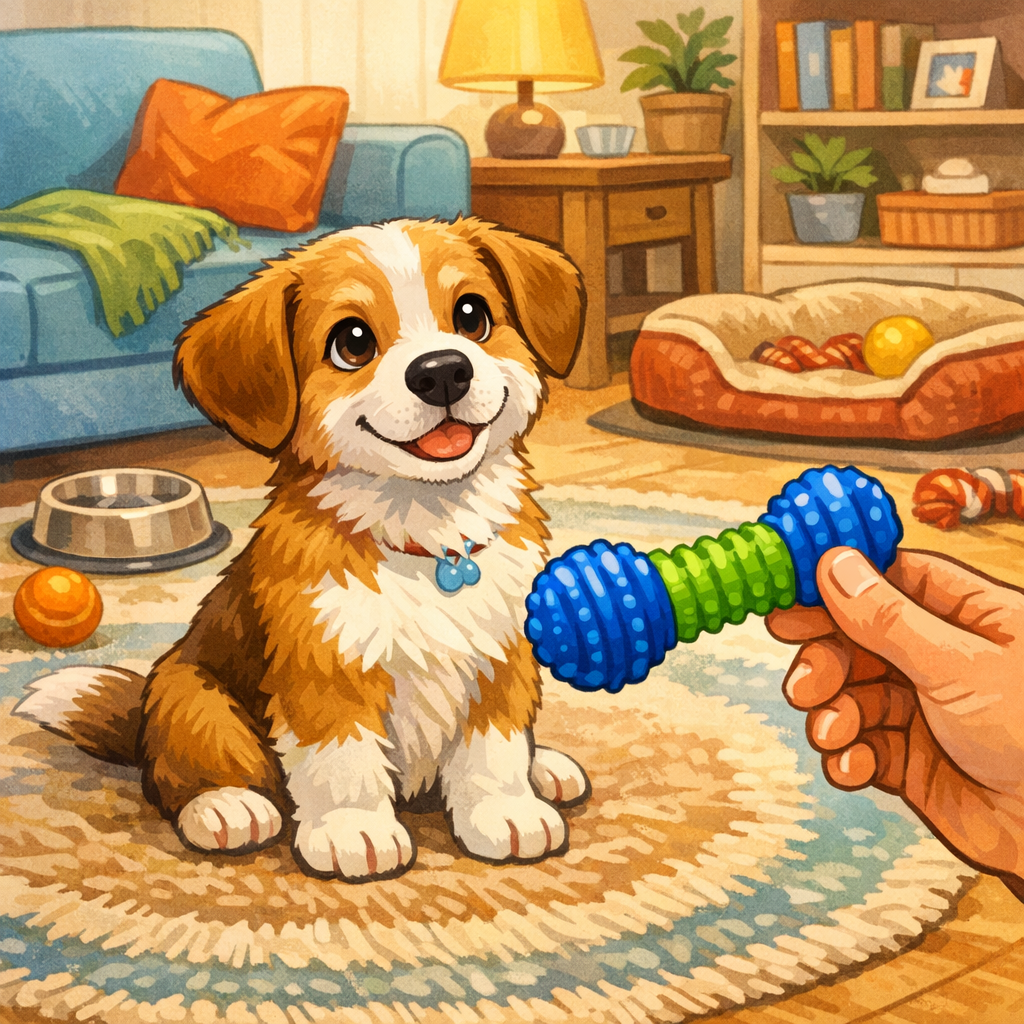
Understanding Why Puppies Bite
As pet parents, there are few things as exciting as bringing a new puppy home, but almost everyone hits the ‘land shark’ phase where puppy biting training becomes a top priority. When your tiny bundle of joy turns into a whirlwind of sharp teeth, it is important to remember that this behavior is completely normal. Puppies explore the world primarily through their mouths. In our comprehensive dog care guide, we often emphasize that nipping is not an act of aggression, but rather a developmental milestone linked to teething and social learning. At Pawsitive Hoomans, we advocate for patience and force-free methods to help your puppy navigate this phase without causing you stress or pain.
Puppies often lack the impulse control to manage their excitement. When they play, they want to engage with you, but they haven’t yet learned that human skin is far more sensitive than canine skin. By consistently applying positive reinforcement, you can teach them that soft interactions lead to more play, while teeth on skin result in the fun stopping immediately. This is the cornerstone of effective, humane puppy training.
The Importance of Socialization and Bite Inhibition
Bite inhibition is the skill of learning how to control the intensity of one’s bite. In a litter, when a puppy bites a sibling too hard, the sibling will yelp and stop playing. This is how puppies learn their own strength. Since your puppy is now part of your human ‘pack,’ you must fulfill this role. When they bite, provide a high-pitched ‘Ouch!’—not as a punishment, but as a clear communication that the interaction was too intense. Then, withdraw your attention for a few seconds.
Avoid shouting, pinning your puppy down, or using physical corrections. These fear-based tactics can damage the bond you are building and may lead to genuine aggression later in life. Instead, focus on redirecting their energy. Always keep a toy handy. If your puppy starts to nip your hands or ankles, immediately offer a suitable chew toy. When they engage with the toy, praise them enthusiastically. This teaches them that toys are for chewing and hands are for petting.
The Pawsitive Hoomans Take
At Pawsitive Hoomans, we believe that puppy biting training is less about ‘stopping’ the behavior and more about ‘redirecting’ the instinct. We strongly oppose any form of discipline that involves hitting, muzzle taping, or yelling. These methods do not teach the puppy what to do; they only teach the puppy to fear the hand that is supposed to guide them. Consistent, kind boundaries are the most effective way to raise a well-adjusted, confident dog who respects your space while remaining curious and playful.
🐾 Keep a complete health record for your pet with our free Pet Passport. Track vaccinations, weight and behaviour in one place.
Managing Teething Discomfort
Between three and six months of age, your puppy’s baby teeth are falling out and permanent teeth are emerging. This is physically uncomfortable, which makes the urge to chew and bite even stronger. As pet parents, we should be proactive in providing relief. Frozen carrot sticks (for supervised chewing), durable rubber chew toys, or chilled teething rings can provide soothing relief to sore gums. If you notice your puppy is constantly biting, check if they are overtired or overstimulated—sometimes a quiet nap in a crate or a calm, dark corner is exactly what they need to regulate their behavior.
Remember that consistent exercise is vital. A puppy with pent-up energy is much more likely to resort to nipping. Engaging in short, positive training sessions or scent games can burn off that physical and mental energy in a productive way, leaving your pup less likely to use your fingers as chew toys.
Not sure what your pet needs? Use our free tools — Emergency Triage Guide or Custom Diet Calculator.
Frequently Asked Questions
Is it normal for my 3-month-old puppy to bite my feet constantly?
Yes, it is completely normal for puppies to nip at moving feet, as it triggers their natural prey drive and desire for engagement. To manage this, stop walking immediately, stand still like a tree, and redirect them to a toy before rewarding their calm behavior.
Should I use a spray bottle to stop my puppy from biting?
No, you should never use a spray bottle or any form of punishment to stop puppy biting as it creates fear and weakens your bond. Instead, use positive redirection to offer an acceptable chew toy and reward them when they choose the toy over your skin.
How long will this puppy biting phase last?
Most puppies stop the intense nipping phase by the time they are 5 to 6 months old, once their permanent teeth have fully emerged. If the biting persists or becomes aggressive, keep a record of these incidents in your Pet Passport to discuss with a professional trainer or veterinary behaviorist.
Disclaimer: We are passionate pet advocates, not veterinarians. The information provided here is for educational purposes only and should not replace professional medical advice. Always consult with a qualified veterinarian or certified animal behaviorist regarding your pet’s specific health or behavioral needs.