
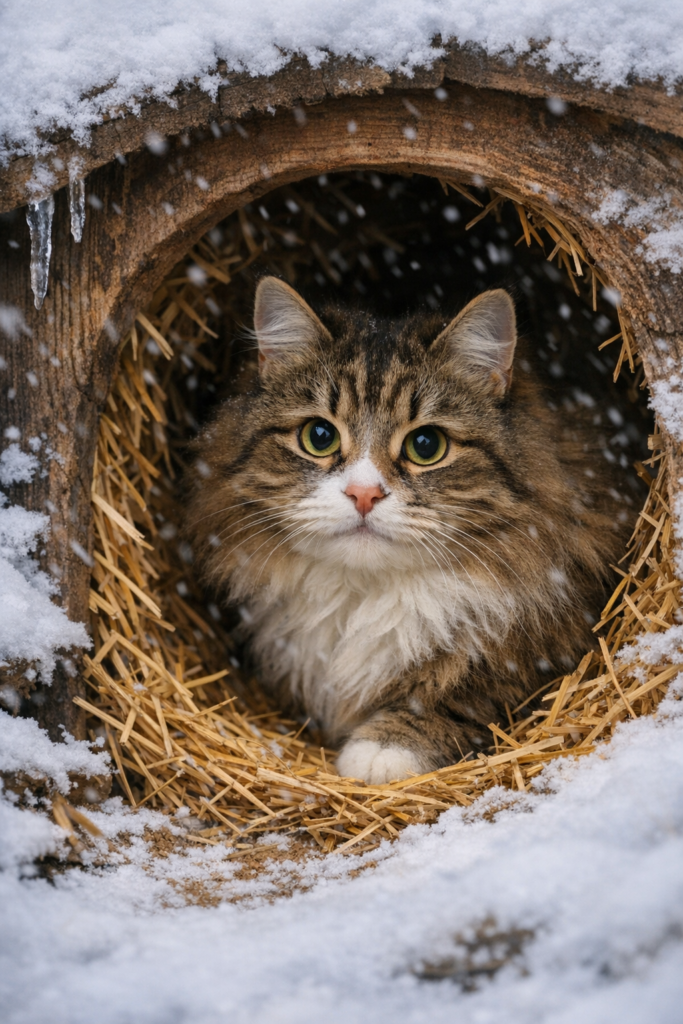
Understanding Cold Weather Risks for Felines
As winter temperatures drop, even in regions where the mercury doesn’t plummet to sub-zero levels, our feline companions can face significant health challenges. Protecting our pets is the top priority for every loving caregiver, and understanding the risks associated with cold exposure is vital. Whether you are caring for a community cat or a pet that enjoys time outside, being prepared is the best defense. If you are navigating the complexities of caring for your feline friend during harsh weather, our cat hub is packed with essential resources to keep them safe and healthy all year round.
Frostbite in outdoor cats occurs when the body restricts blood flow to the extremities to maintain core temperature. This protective mechanism, while intended to save vital organs, can lead to tissue damage in exposed areas like the ears, tail, and paws. At Pawsitive Hoomans, we emphasize that prevention is the most effective form of care, especially for cats that may not have consistent access to warm shelter.
Identifying the Signs of Frostbite
Recognizing the early signs of cold-induced injury is crucial. Because cats are masters at hiding discomfort, you must be observant. Common symptoms include skin that feels cold to the touch, pale or bluish discoloration, or skin that appears hard or brittle. In more advanced stages, you might notice blisters, swelling, or even areas of blackened, dead tissue (necrosis). If you suspect your cat has been exposed to extreme cold, look for signs of lethargy or weakness, as these can also indicate systemic hypothermia.
The Pawsitive Hoomans Take
At Pawsitive Hoomans, we believe that every animal deserves a safe, warm environment. We strongly advocate for keeping cats indoors during severe weather, as it is the only way to completely eliminate the risk of environmental hazards like frostbite or accidental injury. For community or free-roaming cats, we encourage creating ‘winter stations’ using straw-lined shelters that retain heat better than blankets or towels. Remember, consistent access to fresh, unfrozen water is just as important as warmth; energy expenditure increases significantly in the cold, and dehydration makes it harder for a cat to regulate its body temperature.
🏥 Is your pet showing these symptoms? Log them instantly in our free Triage Engine inside Pet Passport to get immediate guidance.
Immediate Steps if You Suspect Frostbite
If you discover that your cat has been in freezing conditions, act calmly. Bring them into a warm, dry area immediately. Do not rub or massage the affected areas, as this can cause further tissue damage to the delicate skin. Instead, gently wrap them in a warm, dry towel to help them retain their natural heat. Do not use direct heat sources like hair dryers, heating pads, or hot water bottles, as the cat may not be able to feel the burn on affected skin. Veterinary experts recommend seeking medical attention promptly, as tissue damage can be deceptive and often worsens over the first few days.
Prevention Strategies for Community Cats
If you look after local community cats, your impact is profound. By providing a wind-resistant shelter, you are offering a life-saving resource. Place the shelter in a quiet, elevated area to keep it off the cold ground. Using straw as bedding is preferred over blankets, as straw doesn’t hold moisture and stays dry, whereas blankets can freeze if they get wet. Furthermore, consider providing higher-calorie food during winter months, as the extra energy helps the body generate more heat.
Not sure what your pet needs? Use our free tools — Emergency Triage Guide or Custom Diet Calculator.
Frequently Asked Questions
Can I use a hair dryer to warm up a cold cat?
No, you should never use a hair dryer, as it can easily burn skin that has lost sensitivity due to extreme cold. The air from a dryer can be far too hot for a cat’s skin, leading to severe secondary burns that the cat cannot feel. Instead, use passive rewarming techniques like wrapping them gently in a warm, dry blanket or towel and letting their body temperature rise gradually in a draft-free room.
How do I know if my cat’s ear tips are frozen?
Frozen ear tips often appear pale, gray, or blue, and the skin may feel unusually hard or brittle to the touch. If you suspect frostbite, touch the area gently to see if there is any sensation; if the cat does not react, it is a sign of significant nerve or tissue damage. Keep a record of these observations in your pet passport to show your vet during a checkup.
What is the best way to keep stray cats warm in winter?
Providing a sturdy, elevated, and waterproof shelter lined with dry straw is the most effective way to help stray cats survive the winter. Straw is superior to fabric because it provides excellent insulation and does not retain moisture, which is crucial for preventing damp conditions that lead to hypothermia. Ensure the entry point is small enough to keep wind out while still allowing the cat to enter and exit safely.
Disclaimer: The information provided on Pawsitive Hoomans is for educational purposes only and is not a substitute for professional veterinary advice, diagnosis, or treatment. Always seek the advice of your veterinarian with any questions you may have regarding your pet’s health or medical conditions.