
Understanding Cat Fever Symptoms: How to Keep Your Feline Friend Healthy
As dedicated pet parents, we often intuitively know when our companions are feeling under the weather, even before they show overt signs. Identifying cat fever symptoms early can be the difference between a minor health hiccup and a serious emergency. If you are ever worried about your feline’s health, exploring our comprehensive cat-hub/ is a great way to deepen your understanding of feline wellness and behavior. Cats are masters of masking discomfort, which is an evolutionary trait designed to keep them safe from predators in the wild. Unfortunately, this means that by the time a cat displays obvious symptoms of illness, the fever might already be well-established.
Fever in cats—clinically referred to as pyrexia—is not actually a disease in itself, but rather a symptom of an underlying issue. Whether it is an infection, inflammation, or an immune response, a high temperature is the body’s way of fighting back. As Pawsitive Hoomans, our goal is to help you stay observant so you can provide the support your cat needs to thrive.
Why Do Cats Get Fevers?
Research shows that the normal body temperature for a cat typically ranges between 100.5°F and 102.5°F (38.1°C to 39.2°C). Anything consistently above this range is considered a fever. Common triggers include viral or bacterial infections, abscesses (frequently caused by territorial scraps), parasitic infestations, or even reactions to environmental toxins. It is essential to remember that you should never attempt to treat a fever with human medication, such as paracetamol or ibuprofen; these are toxic to cats and can be fatal. Always consult a qualified veterinarian before administering any form of treatment.
The Pawsitive Hoomans Take
At Pawsitive Hoomans, we advocate for a proactive approach to feline health. Fever is a signal—it is your cat’s internal alarm system telling you that something is not right. While it can be tempting to search for home remedies, the safest path for your pet is always a professional diagnostic check. We believe that empowering pet parents with knowledge is the best way to ensure long, happy lives for our rescued companions. Whether you have an Indie cat, a rescued Persian, or any other breed, your role is to provide a calm, stress-free environment while you monitor their symptoms and wait for professional medical advice. For an exact understanding of your cat’s health metrics, use the free Pet Passport dashboard to track weight and symptoms, ensuring you have data ready when you visit your vet.
🏥 Is your pet showing these symptoms? Log them instantly in our free Triage Engine inside Pet Passport to get immediate guidance.
Identifying Signs of Fever at Home
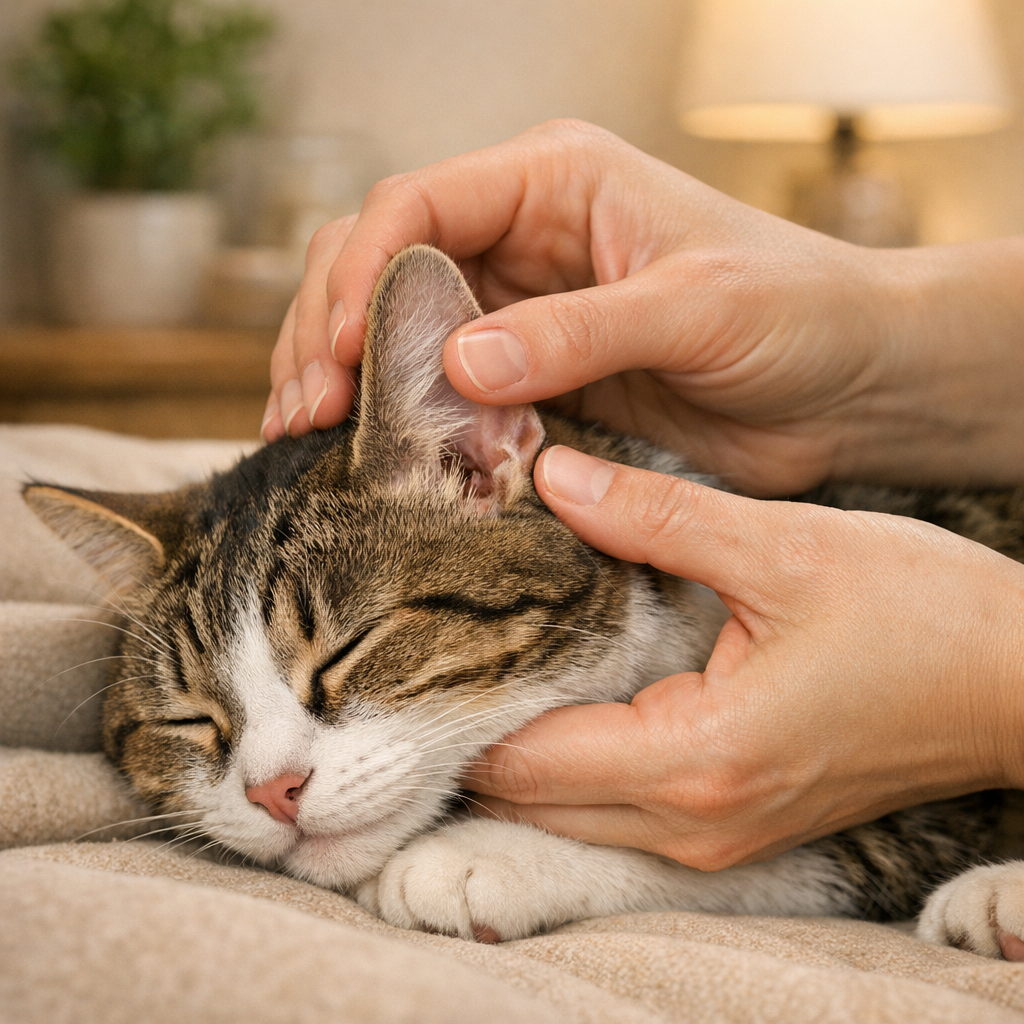
Since most of us do not carry a veterinary thermometer in our pockets, we must rely on behavioral cues. A cat with a fever often becomes lethargic, preferring to hide in cool, dark corners of the home. You might notice a lack of appetite, as even the most food-motivated cat may turn their nose up at their favorite treat when they are feeling feverish. Other indicators include shivering, rapid breathing, and warm, dry ears or paw pads. In some cases, a cat may stop grooming themselves, leading to a dull or matted coat. If you observe any of these changes, it is time to reach out to a veterinary expert.
When to Seek Immediate Veterinary Care
If your cat has a fever that persists for more than 24 hours, or if they appear listless, dehydrated, or are struggling to breathe, do not wait. In India, where humidity and heat can exacerbate underlying conditions, dehydration is a significant risk. Ensure your cat has access to clean, fresh water at all times. If your cat refuses to drink or eat, professional intervention is necessary to prevent the condition from worsening. Veterinary experts recommend that you keep a log of when the symptoms started, the behavior changes you’ve noticed, and any other potential triggers, such as recent changes in the home environment.
Not sure what your pet needs? Use our free tools — Emergency Triage Guide or Custom Diet Calculator.
Creating a Recovery Environment
While you wait for your veterinary appointment, keep your cat as comfortable as possible. Provide a quiet, low-traffic area with a soft bed. If your home is very warm, consider using a gentle fan in the room, but avoid direct drafts. Focus on positive reinforcement—use soft, calm words and minimal physical handling to avoid increasing their stress levels, as stress can hinder the immune system’s ability to recover. Remember, the goal is to keep them relaxed until a professional can determine the cause of the fever. Once your cat is on the mend, make sure to keep their records updated using the pet-passport/ so you have a clear history of their health journey for any future visits.
Frequently Asked Questions
How can I tell if my cat has a fever at home without a thermometer?
You can identify a potential fever by observing lethargy, lack of appetite, warm ears or paws, and a general change in social behavior where the cat hides more than usual. While these are not definitive medical diagnostics, a combination of these signs suggests that your cat is unwell and needs a professional assessment.
Is it safe to give my cat a cold water bath to bring the fever down?
No, you should never bathe a cat to lower a fever as this can induce severe stress and lead to hypothermia if the temperature drops too rapidly. Cats regulate their body temperature differently than humans, and forced bathing can damage their coat, skin, and emotional well-being.
Can I give my cat paracetamol or Crocin for their fever?
No, never administer human medications like paracetamol, Crocin, or ibuprofen as they are highly toxic and can cause fatal organ failure in cats. If you suspect your cat has a fever, contact your veterinarian immediately for pet-safe alternatives and professional treatment plans.
Disclaimer: The information provided on PawsitiveHoomans.com is for educational purposes only and does not constitute veterinary medical advice. Always consult with a qualified veterinarian or animal health professional for any concerns regarding your pet’s health, diagnosis, or treatment. Never disregard professional veterinary advice or delay seeking it because of something you have read on this website.