
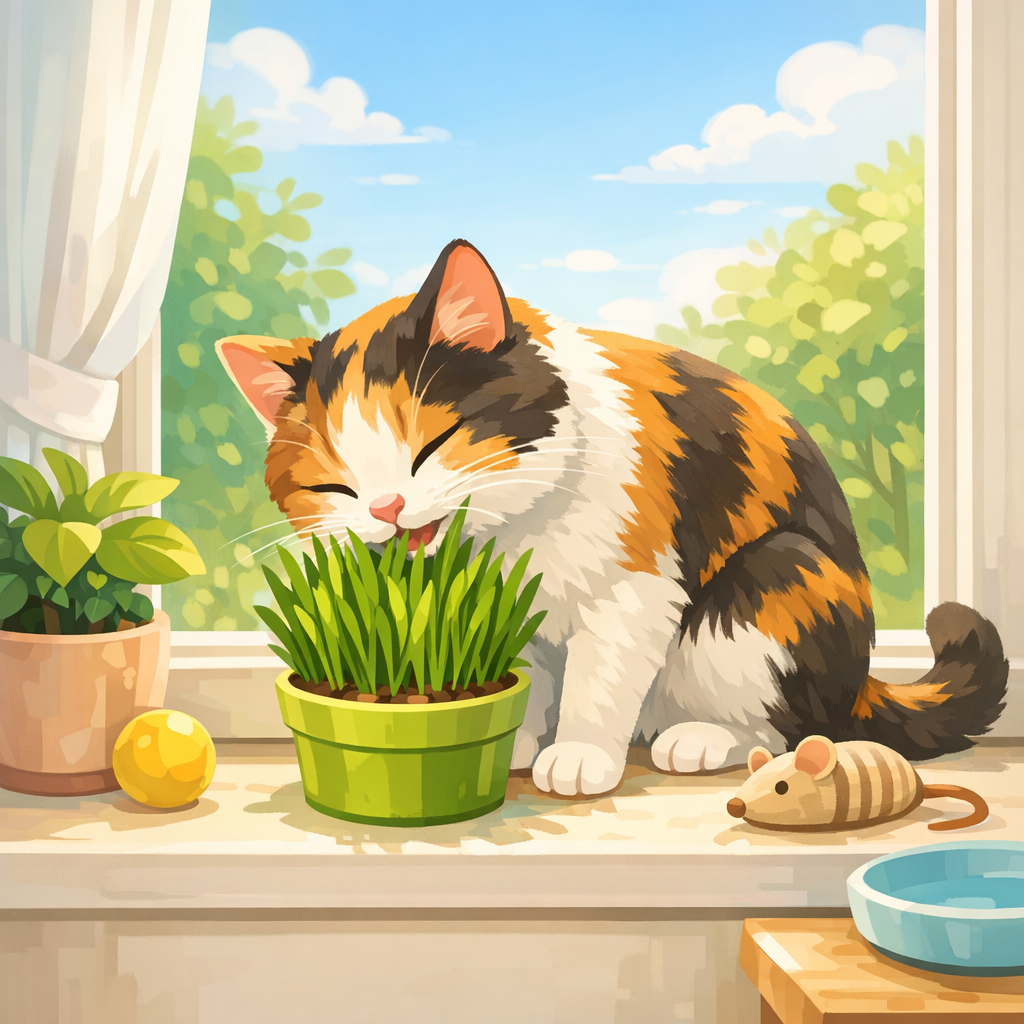
Understanding the Benefits of Cat Grass for Your Feline
As dedicated pet parents, we are always looking for ways to enrich our indoor companions’ lives and support their natural instincts. One simple, affordable, and incredibly popular addition to a cat’s environment is cat grass. If you have been exploring our comprehensive cat-hub to learn more about feline health and enrichment, you may have noticed that grass-eating is a common behavior, even for cats who live entirely indoors. But why exactly do our feline friends feel the urge to munch on greens, and how can cat grass safely support their digestion and well-being?
Research shows that while cats are obligate carnivores, they have historically ingested small amounts of plant material in the wild. Offering cat grass provides a safe, pesticide-free outlet for this instinctual behavior. Whether you are living in a bustling city apartment in India or a spacious home, providing a small pot of wheatgrass, oat grass, or barley grass can make a significant difference in your cat’s daily routine.
The Nutritional and Behavioral Benefits
Cat grass serves several purposes beyond just being a fun snack. Primarily, it acts as a mild digestive aid. For many cats, the fiber found in cat grass helps move hairballs through the digestive tract. By assisting with the passage of hair that has been ingested during grooming, cat grass can help prevent some of the discomfort associated with hairball accumulation.
Furthermore, cat grass contains small amounts of essential nutrients, including chlorophyll, folic acid, and vitamins A, B, and D. While your cat should still be receiving a balanced, nutritionally complete diet—which you can monitor using our free Custom Diet Calculator—the minor boost of nutrients from fresh grass can be a wholesome treat. It also provides mental enrichment. The texture and taste of fresh, living plants offer a sensory experience that helps break the monotony of indoor life, reducing boredom and the potential for destructive behaviors like chewing on your houseplants.
Selecting and Growing Safe Grass at Home
When introducing cat grass, safety is the absolute priority. Never allow your cat to graze on outdoor lawns, as these often contain chemical fertilizers, pesticides, or may be contaminated with parasites and bacteria from other animals. Instead, it is best to buy cat grass kits or organic seeds specifically labeled for consumption. Wheat, oats, rye, and barley are the most common and safest varieties. Avoid “ornamental” grasses, which can sometimes be toxic or have sharp edges that irritate the digestive lining.
At Pawsitive Hoomans, we recommend starting with a small patch and monitoring your cat’s reaction. Some cats find it soothing, while others might view it as a toy to be shredded. Both are perfectly acceptable feline behaviors! As long as the grass is clean and pesticide-free, letting them explore is a wonderful way to provide enrichment.
The Pawsitive Hoomans Take
We believe that environment is just as important as diet when it comes to pet health. By providing cat grass, you are acknowledging your cat’s evolutionary history and providing a safe, positive reinforcement-based outlet for their natural behaviors. It’s an easy, low-cost way to show your feline companion you care about their quality of life. Remember, the goal is not to replace a healthy diet, but to complement their natural need for greenery with something safe and controlled.
⚖️ Track your pet’s weight and diet using our free Pet Passport Dashboard. Monitor trends before they become emergencies.
Not sure what your pet needs? Use our free tools — Emergency Triage Guide or Custom Diet Calculator.
Frequently Asked Questions
Is it safe for my cat to eat the grass I grow at home?
Yes, provided you use organic, pesticide-free seeds specifically marketed as cat grass, it is perfectly safe for your cat to eat. Always ensure that the soil used is free of chemical fertilizers and that the container allows for proper drainage to prevent mold growth, which can be harmful to your pet.
My cat always vomits after eating grass; should I be worried?
Occasional vomiting after eating grass is common because cats lack the specific enzymes to digest large amounts of plant fiber, but if your cat is vomiting excessively, showing lethargy, or losing weight, you must consult your veterinarian immediately. While grass can help some cats pass hairballs, it should never cause persistent distress or digestive upset.
Can my cat eat the same grass as the one found in my local park?
No, you should never allow your cat to eat grass from a public park because it is likely treated with pesticides, herbicides, and fertilizers, and it may be contaminated with worms or bacteria from stray animals. Only offer your cat grass that you have grown yourself in a clean, controlled indoor environment.
Conclusion
Adding cat grass to your home is a simple act of love that respects your cat’s natural instincts and keeps them mentally engaged. Remember that while this is a great enrichment tool, consistent health monitoring is key to a long and happy life. We encourage you to maintain a thorough record of your cat’s health, diet, and behavior using our Pet Passport system to ensure you stay ahead of any potential issues.
Disclaimer: Pawsitive Hoomans provides general information for pet parents and does not provide medical diagnosis or advice. Always consult with a qualified veterinarian regarding your pet’s health, diet, or any changes in their behavior to ensure they receive care tailored to their specific needs.