
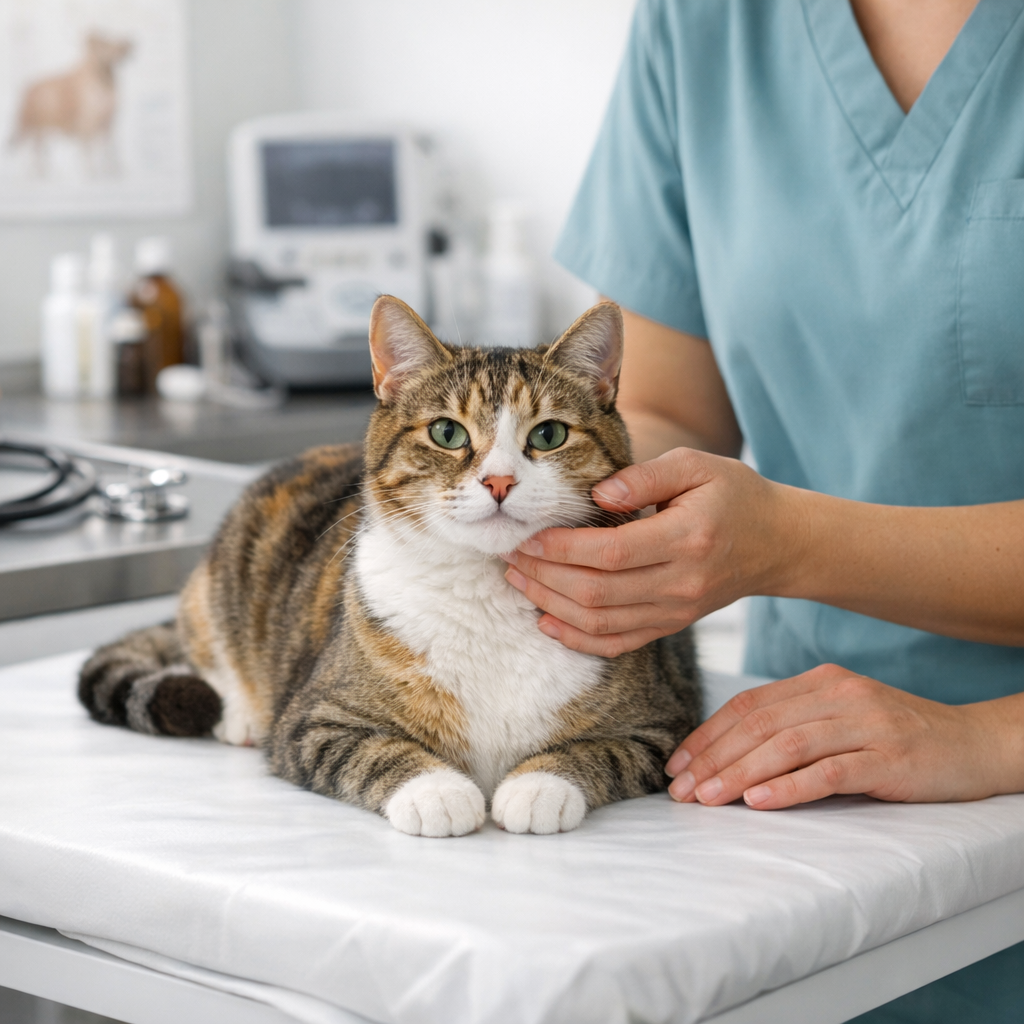
Understanding the Importance of the Cat Vaccination Schedule India
As devoted pet parents, our primary goal is to ensure our furry companions live long, healthy, and happy lives. One of the most effective ways to achieve this is by following a structured cat vaccination schedule India. Whether you have brought home an adorable rescue kitten or are caring for a senior cat, understanding the necessity of immunization is critical. By staying on top of these medical milestones, you protect your feline friend from preventable diseases that are unfortunately still quite prevalent in our environment. For comprehensive resources on keeping your cat healthy and thriving, be sure to visit our Cat Hub.
Vaccines work by training a cat’s immune system to recognize and fight off specific pathogens. In India, where environmental stressors, stray animal interactions, and temperature fluctuations can influence health, a proactive approach to veterinary care is non-negotiable. It is important to remember that every cat’s lifestyle is unique—an indoor-only cat has different risks compared to a feline who spends time exploring a garden—but core vaccines are essential for every cat regardless of their living situation.
The Pawsitive Hoomans Take
At Pawsitive Hoomans, we believe that informed pet parents are the best advocates for their animals. We strongly advocate for force-free and low-stress handling during visits to the vet. Vaccination appointments don’t have to be traumatic. By using positive reinforcement techniques, such as offering high-value treats and using calming pheromones, you can make the experience much more comfortable for your cat. We believe in building a foundation of trust between you, your cat, and your chosen veterinarian. Always prioritize a calm environment, and remember that consistent preventative care is a key expression of the love you have for your feline family member.
🏥 Is your pet showing these symptoms? Log them instantly in our free Triage Engine inside Pet Passport to get immediate guidance.
Core Vaccines Every Cat Needs in India
In India, veterinary experts generally categorize vaccines into ‘core’ and ‘non-core’. Core vaccines are those that every cat should receive. These include protection against Feline Panleukopenia (distemper), Feline Calicivirus, and Feline Herpesvirus-1. These are often combined into the FVRCP vaccine. Additionally, the Rabies vaccine is legally required in many regions of India and is absolutely critical for the safety of both your cat and your household.
The standard timeline usually begins when a kitten is between 8 to 10 weeks old. A series of boosters follows, typically spaced 3 to 4 weeks apart, until the kitten is about 16 weeks of age. This “series” is vital because it ensures that the kitten’s immune system has successfully created enough antibodies to combat these dangerous viruses. For an exact timeline tailored to your cat’s specific health history, always consult your local veterinarian.
Non-Core Vaccines: Do You Need Them?
Non-core vaccines are administered based on your cat’s individual lifestyle and risk factors. For example, if your cat has access to the outdoors or lives in a multi-cat household with frequent new arrivals, a veterinarian might suggest the Feline Leukemia Virus (FeLV) vaccine. Living in India, we must consider the regional prevalence of these viruses. A thorough discussion with your vet about your cat’s daily routine will help determine if these extra layers of protection are necessary. For tracking your pet’s health milestones, including these specific boosters, keeping a digital Pet Passport is an excellent way to stay organized.
Managing Vaccination Stress
We know that many cats find carrier trips and vet clinics stressful. As pet parents, we can mitigate this by practicing ‘carrier training’ at home. Leave the carrier out in your living room with a cozy blanket and treats inside so your cat perceives it as a safe space rather than a scary transport box. When it comes time for their shots, talk to your vet about ‘fear-free’ handling techniques. Many clinics in India are now adopting these gentler methods, which include using non-slip mats on examination tables and allowing the cat to remain in the lower half of the carrier during the injection.
Post-Vaccination Monitoring
After your cat receives their vaccinations, keep a close eye on them for the next 24 to 48 hours. It is normal for some cats to be slightly lethargic or to have a decreased appetite immediately after the visit. However, if you notice severe vomiting, difficulty breathing, or significant facial swelling, you must contact your veterinarian immediately. These are rare but serious signs of an adverse reaction that require professional attention. Keeping a log of your cat’s weight and reaction to these visits using our digital tools helps you provide accurate data to your vet during your next consultation.
Not sure what your pet needs? Use our free tools — Emergency Triage Guide or Custom Diet Calculator.
Frequently Asked Questions
Is the rabies vaccine mandatory for indoor cats in India?
Yes, the rabies vaccine is legally required and medically essential for all cats in India, regardless of whether they live exclusively indoors. Because rabies is a zoonotic disease that can be transmitted to humans, this vaccination acts as a vital layer of public health safety and protects your cat should they ever accidentally escape or be exposed to a rabid animal.
At what age should I start the vaccination schedule for my kitten?
Veterinary experts recommend starting the core FVRCP vaccination series for kittens between 8 and 10 weeks of age. Following the initial dose, kittens typically require booster shots every 3 to 4 weeks until they are approximately 16 weeks old to ensure the immune system is fully primed.
Can my cat have a reaction to the vaccines?
Minor reactions like temporary lethargy or a slight loss of appetite are common, but you should seek immediate veterinary care if your cat shows signs of an allergic reaction. Serious symptoms include hives, facial swelling, persistent vomiting, or difficulty breathing, which require urgent medical assessment to ensure your cat’s safety.
Disclaimer: Pawsitive Hoomans is an educational platform and not a substitute for professional veterinary advice, diagnosis, or treatment. Always consult with a qualified veterinarian regarding the specific medical needs and vaccination requirements for your pet.