
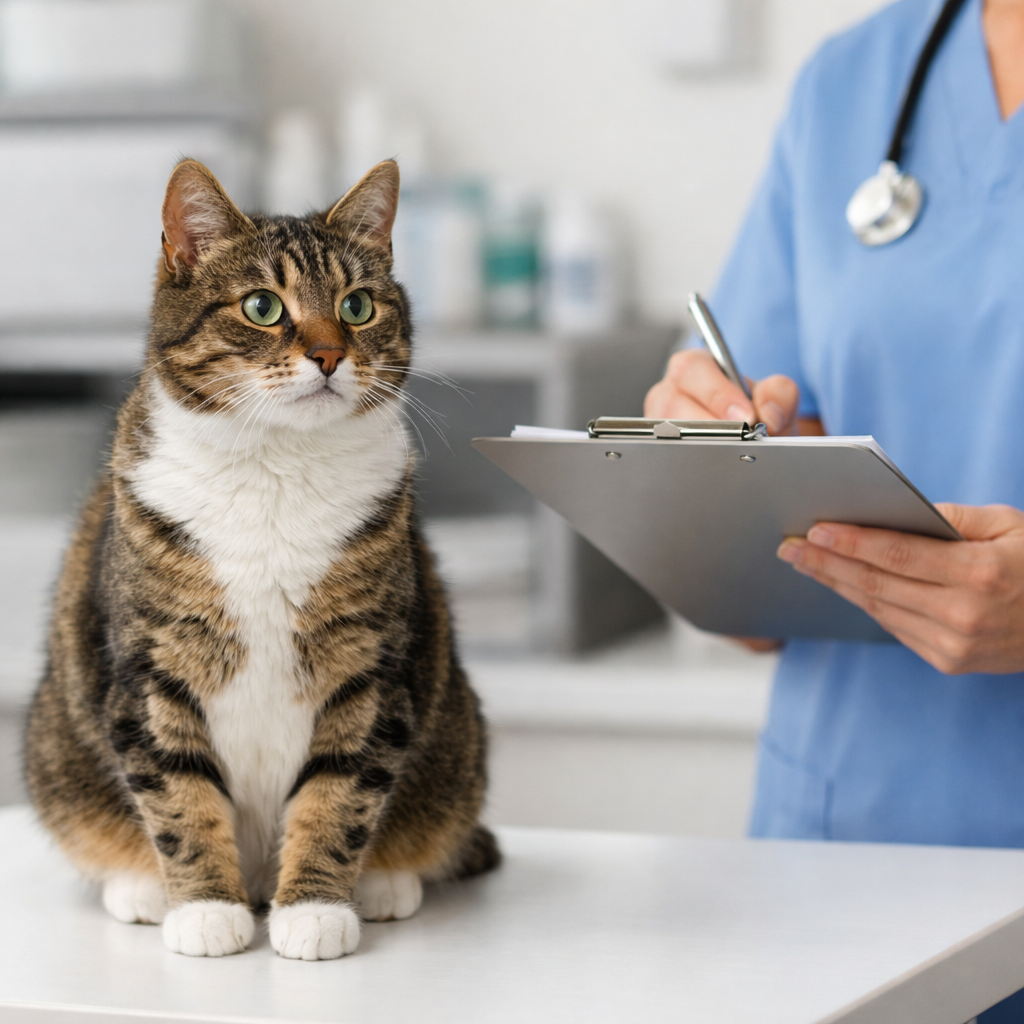
Recognizing the Early Signs of Feline Hyperthyroidism
As dedicated pet parents, we always want the best for our feline companions. When our cats aren’t feeling their best, it can be a source of significant worry. One common endocrine disorder that often affects middle-aged and older cats is feline hyperthyroidism. Understanding cat hyperthyroidism symptoms is the first step in ensuring your furry friend gets the care they need. If you have concerns about your cat’s health, browsing our cat hub is a great place to start learning about the many facets of feline wellness.
Hyperthyroidism occurs when the thyroid gland produces an excess of thyroid hormones. In cats, this is usually caused by a benign (non-cancerous) growth on one or both of the thyroid glands. Because thyroid hormones regulate the body’s metabolic rate, an oversupply leads to a “revved-up” metabolism that affects almost every organ system in the body.
Common Cat Hyperthyroidism Symptoms to Watch For
Because the effects of excess thyroid hormone are systemic, the signs can be varied and sometimes subtle, especially in the early stages. However, there are hallmark behaviors that many pet parents notice:
- Weight loss despite a ravenous appetite: This is perhaps the most classic symptom. Your cat may be eating more than ever but still losing weight.
- Increased thirst and urination: You might notice the litter box is clumped more heavily or your cat is drinking from taps or water bowls more frequently.
- Hyperactivity and restlessness: Cats with this condition may seem “wired,” pacing, vocalizing excessively at night, or acting agitated.
- Poor coat quality: The fur might look greasy, matted, or patchy because the cat is too busy or stressed to groom themselves properly.
- Vomiting and diarrhea: Digestive upsets are frequent as the body processes food too quickly.
The Pawsitive Hoomans Take
At Pawsitive Hoomans, we believe that you know your cat best. You are the expert on their daily habits, and even the smallest change in their routine—like suddenly wanting to play at 3:00 AM or leaving more food in the bowl than usual—is worth noting. While reading about symptoms can be helpful, it is never a substitute for a physical examination. Veterinary experts recommend regular blood panels for cats over the age of seven to catch these metabolic shifts early, often before physical symptoms become severe.
🏥 Is your pet showing these symptoms? Log them instantly in our free Triage Engine inside Pet Passport to get immediate guidance.
Why Early Detection Matters
When left unmanaged, hyperthyroidism can put a significant strain on a cat’s heart and kidneys. The heart muscle may thicken as it works harder to pump blood throughout the body, and high blood pressure can also develop. By identifying cat hyperthyroidism symptoms early, you can work with your veterinarian to establish a management plan—which might include medication, specialized diets, or other therapies—that helps your cat maintain a high quality of life for years to come.
Not sure what your pet needs? Use our free tools — Emergency Triage Guide or Custom Diet Calculator.
Supporting Your Cat Through Treatment
Once a diagnosis is made, the goal shifts to balance. Positive reinforcement and environmental enrichment are just as important as clinical treatment. Provide your cat with comfortable, quiet spaces where they can retreat if they feel overwhelmed. Maintain a consistent routine to reduce their stress, and ensure they have easy access to fresh water. If your veterinarian recommends a specific diet, follow their instructions precisely, as certain iodine-restricted diets are designed to manage hormone levels.
As you navigate your cat’s care journey, keeping a detailed log of their symptoms, weight changes, and medication schedule is incredibly useful. You can use our Pet Passport to keep all these critical records in one place, making your vet visits more productive and stress-free.
Frequently Asked Questions
Can hyperthyroidism in cats be cured with homemade food?
No, hyperthyroidism cannot be cured by homemade food alone and requires clinical intervention from a veterinarian. While some cats may be placed on a strict, vet-prescribed iodine-restricted diet, these are scientifically formulated, not something that can be safely replicated in a home kitchen. Always consult your vet before making any changes to your cat’s diet to avoid nutritional imbalances.
How long can a cat live with hyperthyroidism if it is not treated?
Untreated hyperthyroidism is a progressive condition that significantly reduces a cat’s lifespan and quality of life due to the risks of heart failure and kidney damage. With proper treatment and consistent monitoring, many cats with hyperthyroidism go on to live comfortable, happy lives for several years, often living as long as cats without the condition.
Is it normal for my senior cat to act super active and meow at night?
No, while some senior cats may develop minor cognitive changes, excessive “wired” energy and nightly vocalization are classic, red-flag symptoms of hyperthyroidism. These behaviors indicate that your cat’s metabolism is working too hard, and you should schedule a blood test with your veterinarian as soon as possible to check their T4 (thyroid) levels.
Disclaimer: Pawsitive Hoomans provides information for educational purposes only and is not a substitute for professional veterinary advice, diagnosis, or treatment. Always seek the advice of your veterinarian with any questions you may have regarding your pet’s medical condition. Never disregard professional veterinary advice or delay in seeking it because of something you have read on this website.