
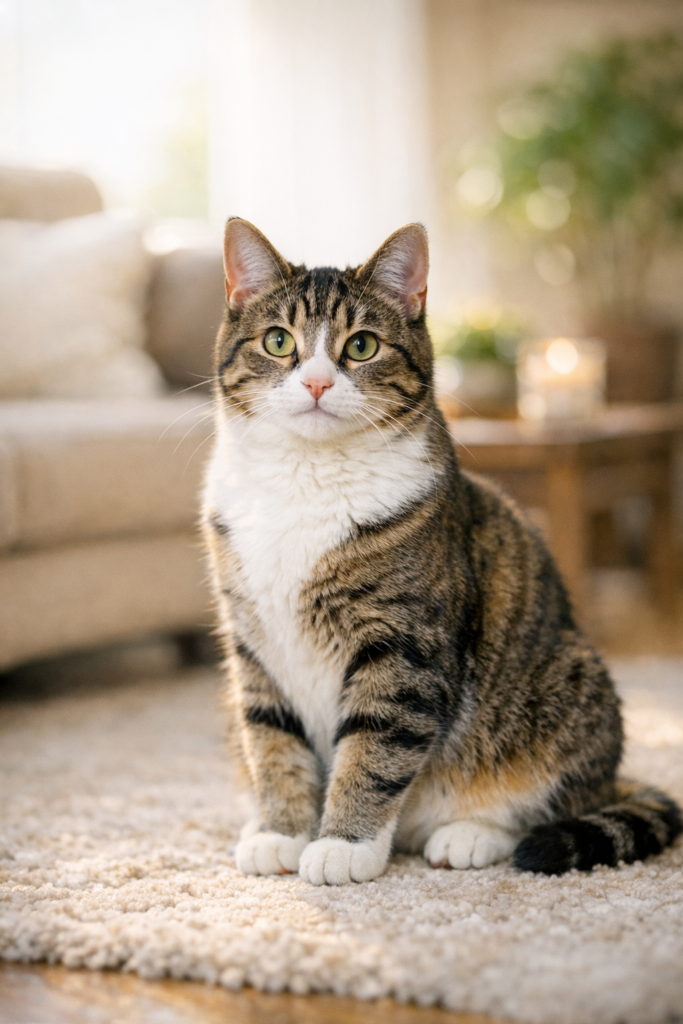
Understanding FIV Symptoms in Cats: A Guide for Indian Pet Parents
As dedicated cat lovers, we all want the best for our feline companions. When it comes to their long-term health, understanding viral conditions is a critical part of being a responsible caregiver. Feline Immunodeficiency Virus, or FIV, is a condition that often carries a heavy stigma, yet it is one that many cats live with for years while maintaining a high quality of life. For those navigating the complexities of feline health, our cat hub is designed to help you stay informed on best practices for lifelong wellness.
At Pawsitive Hoomans, we believe that education is the most powerful tool in your kit. FIV is a lentivirus, similar in nature to HIV in humans, though it is strictly feline-specific and cannot be transmitted to humans or other species. In India, where community cats are a common sight, understanding how this virus spreads—primarily through deep bite wounds during territorial conflicts—is essential for keeping our indoor and outdoor friends safe.
What Exactly is FIV in Cats?
FIV affects a cat’s immune system, making them more susceptible to secondary infections. It is important to remember that a diagnosis of FIV is not a death sentence. Many cats are ‘FIV-positive’ and remain asymptomatic for long periods. The virus slowly impacts the cat’s ability to fight off common bacteria and viruses that a healthy immune system would usually handle with ease. Because of this, the symptoms we observe in FIV-positive cats are often not caused by the virus itself, but by the secondary illnesses that take hold due to a weakened immune system.
Common FIV Symptoms in Cats
Recognizing the early signs of health changes is vital. While there is no single ‘FIV symptom,’ veterinary experts generally point to recurrent, lingering health issues as the primary indicator. Common observations include persistent gum inflammation (gingivitis) and mouth ulcers that refuse to heal despite standard care. You might also notice enlarged lymph nodes, recurring skin infections, or a coat that appears dull and unkempt because the cat lacks the energy or immune capacity to groom effectively.
Weight loss and loss of appetite are also common, as is a fever that keeps coming back. Respiratory issues, such as chronic sneezing, runny eyes, or persistent nasal discharge, are frequently reported in positive cats. If you notice your cat hiding more often, appearing lethargic, or suffering from persistent diarrhea, these are signals from their body that something is amiss. It is crucial to remember that these symptoms can also indicate other feline ailments, so a diagnostic test at a qualified veterinary clinic is the only way to confirm FIV status.
The Pawsitive Hoomans Take
At Pawsitive Hoomans, we advocate for a proactive, positive, and gentle approach to managing FIV. First and foremost, we firmly believe that FIV-positive cats should be kept indoors. This protects them from picking up secondary infections from the environment or other animals, and it prevents them from potentially spreading the virus to community cats through fighting. Creating a stress-free, enrichment-rich indoor environment is the best way to support your cat’s immune health.
We also emphasize the importance of high-quality, balanced nutrition. A healthy diet supports immune function, and keeping your cat at a healthy weight is essential. For an exact daily portion tailored to your cat’s age and activity level, use our free Custom Diet Calculator. Most importantly, focus on positive reinforcement training to make vet visits less stressful. Stress is a known immune suppressant, so a calm, cooperative cat will handle routine wellness check-ups much better.
🏥 Is your pet showing these symptoms? Log them instantly in our free Triage Engine inside Pet Passport to get immediate guidance.
Socialization is still possible for FIV-positive cats. If you have other pets, consult with a veterinarian regarding safe introductions. Often, if the cats are spayed/neutered and have a non-aggressive temperament, they can live together without incident, as the virus is not spread through casual contact like sharing food bowls or grooming.
Managing Care and Routine
Living with an FIV-positive cat requires a slightly higher level of vigilance. You should aim for veterinary wellness check-ups at least twice a year. This allows for early detection of minor issues before they become major health crises. Maintain a clean living space and ensure that your cat’s vaccinations for other diseases, such as panleukopenia and respiratory viruses, are kept strictly up to date. While these vaccines won’t treat FIV, they protect your cat from the common illnesses that their immune system might struggle to fight off.
Not sure what your pet needs? Use our free tools — Emergency Triage Guide or Custom Diet Calculator.
Finally, track your cat’s health trends over time. If you notice subtle changes in their behavior, appetite, or energy levels, document these in your Pet Passport to help your vet see the full picture during your next consultation.
Frequently Asked Questions
Can an FIV-positive cat live a long life in India?
Yes, an FIV-positive cat can live a long, happy life, often comparable to that of an FIV-negative cat, provided they are kept indoors and receive consistent veterinary care. The key to longevity is preventing exposure to other infections and managing secondary symptoms promptly through a supportive, stress-free environment.
How often should I take my FIV-positive cat to the vet?
Veterinary experts recommend taking an FIV-positive cat for a wellness examination at least every six months. More frequent visits may be required if your cat is currently dealing with recurring issues like dental problems or respiratory infections, which are common in these cases.
Can my other cats get FIV if they live in the same house?
Transmission between stable, non-aggressive cats living in the same household is extremely rare because the virus is primarily transmitted through deep bite wounds. As long as your cats are spayed or neutered and get along well without fighting, the risk of transmission to housemates is considered minimal.
Disclaimer: This article is for informational purposes only and does not constitute professional veterinary advice. Always consult with a qualified veterinarian regarding the health, diagnosis, or treatment of your pet. Never make medical decisions based solely on online information.