
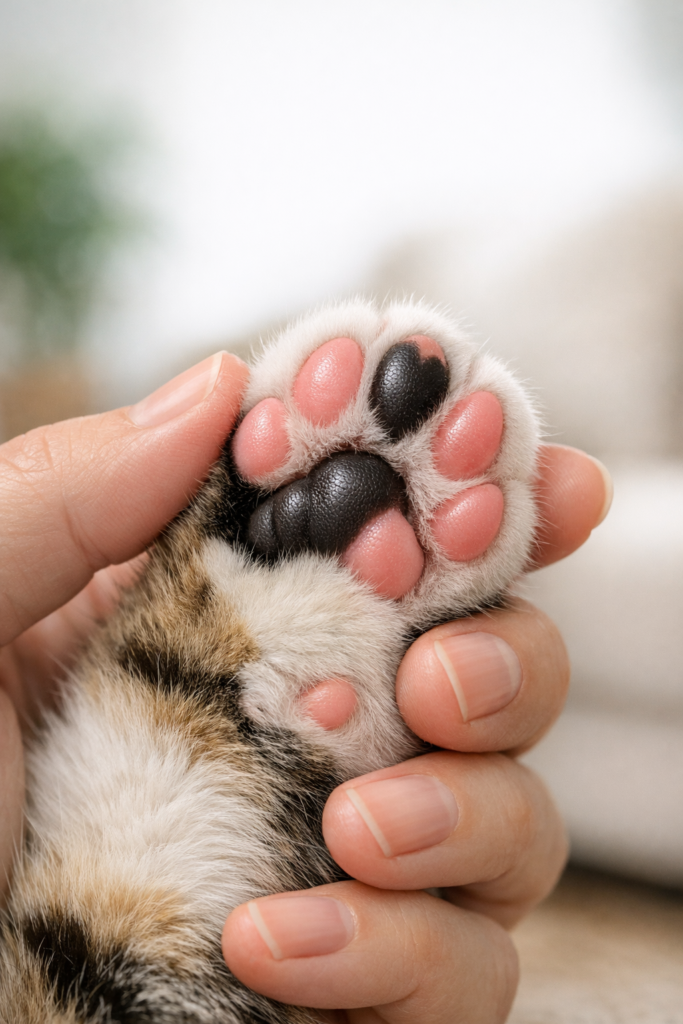
Understanding Cat Paw Health: When You Notice Cat Swollen Paws
As pet parents, we cherish those tiny, velvet-soft paws that knead our laps during quiet evenings. However, discovering cat swollen paws can be a source of immediate worry. Cats are stoic creatures, often masking discomfort until it becomes impossible to hide, so when you notice inflammation, it is a clear signal that something requires your attention. Whether you are a first-time cat owner or a seasoned rescue advocate, keeping up with feline wellness is essential, and you can find comprehensive support for your furry friend in our cat-hub/.
Swollen paws in cats, clinically referred to as pododermatitis, are not a single condition but rather a symptom of an underlying issue. Because cats spend their lives jumping, walking, and exploring the world with their paws, these areas are constantly exposed to environmental hazards, allergens, and potential trauma. Understanding why this swelling happens is the first step toward getting your cat back to their agile, comfortable self.
Common Causes of Swollen Paws
At Pawsitive Hoomans, we look at several potential culprits when we see localized swelling. One of the most frequent causes is a foreign body injury. Splinters, thorns, or small bits of debris found around the house or garden can easily become embedded in the soft skin between the paw pads. Because cats are fastidious groomers, they might irritate the area further while trying to lick the pain away, leading to secondary bacterial or fungal infections.
Another common cause is an allergic reaction. Much like humans, cats can be sensitive to environmental allergens such as pollen, mold, or certain types of cleaning chemicals used on floors. Insect bites, particularly from bees, wasps, or ants, are also prevalent in our Indian climate. A simple spider bite can turn a dainty paw into a red, puffy mitt overnight. If the swelling is sudden and involves multiple paws, it might suggest a systemic allergic reaction that requires prompt investigation.
The Pawsitive Hoomans Take
At Pawsitive Hoomans, we believe that observing your cat’s behavior is as important as checking the physical injury. A cat with a sore paw will often limp, hide more than usual, or stop using their scratching post. We advocate for a “look, but don’t touch” approach when the area is severely inflamed. While it is tempting to try and pull out a suspected thorn, doing so without proper veterinary guidance can lead to further tissue damage or infection. We always recommend consulting a veterinarian to determine the root cause, as they can provide the diagnostic clarity needed—whether it is a simple localized infection or something that requires specialized care.
🏥 Is your pet showing these symptoms? Log them instantly in our free Triage Engine inside Pet Passport to get immediate guidance.
We emphasize force-free, positive reinforcement-based care. If your cat requires a bandage or a medication application, introduce these items slowly. Use treats and calm words to ensure the process is stress-free. Never try to force your cat into a position that causes them distress, as this can break the bond of trust you have built. Remember, if your cat’s discomfort is causing them to stop eating or grooming, that is a red flag that necessitates an immediate visit to your trusted veterinary professional.
Prevention and Daily Care
Maintaining healthy paws starts with a clean environment. Regularly sweep and mop your floors with pet-safe, non-toxic cleaners. If you have an indoor-outdoor cat, perform a gentle paw inspection after they come inside, especially during the rainy season when moisture can trap debris. Keeping your cat’s claws appropriately trimmed helps prevent them from catching on fabrics and causing nail-bed infections, which often manifest as swollen toes.
Nutrition also plays a subtle role in skin and coat health. A diet rich in essential fatty acids helps keep the skin barrier strong, making it less susceptible to the environmental irritants that often cause inflammation. For an exact daily portion tailored to your cat’s weight, use the free Cat Diet Calculator at pawsitivehoomans.com/cat-diet/.
Not sure what your pet needs? Use our free tools — Emergency Triage Guide or Custom Diet Calculator.
Frequently Asked Questions
Why is my cat’s paw suddenly swollen and red?
A sudden swelling often indicates an acute injury like a sting, bite, or a deep puncture wound. You should check for visible debris like a thorn, but avoid squeezing the area; take your cat to a vet immediately to rule out abscess formation or severe infection.
Can I apply antiseptic or human cream on my cat’s swollen paw?
Do not apply any human antiseptic creams or medications to your cat’s paw, as many contain ingredients that are toxic if ingested during grooming. Only use products specifically prescribed by a veterinarian for feline use.
How can I check my cat’s paw for a thorn at home?
Use a soft light and gently spread the toes apart to inspect the interdigital spaces, but only attempt this if your cat is calm and not in significant pain. If the cat resists or shows aggression due to pain, stop immediately and seek professional help to avoid injury to both you and your cat.
As you navigate your cat’s healing process, keep track of all medical history and observations in your pet passport to ensure your veterinarian has the most accurate information during your next visit. We advocate for proactive care, and by staying observant, you are already doing a great job for your feline companion. Please remember that all medical decisions, diagnoses, and treatment plans must be made in consultation with a qualified veterinarian. The information provided here is for educational purposes and should not replace professional medical advice.