
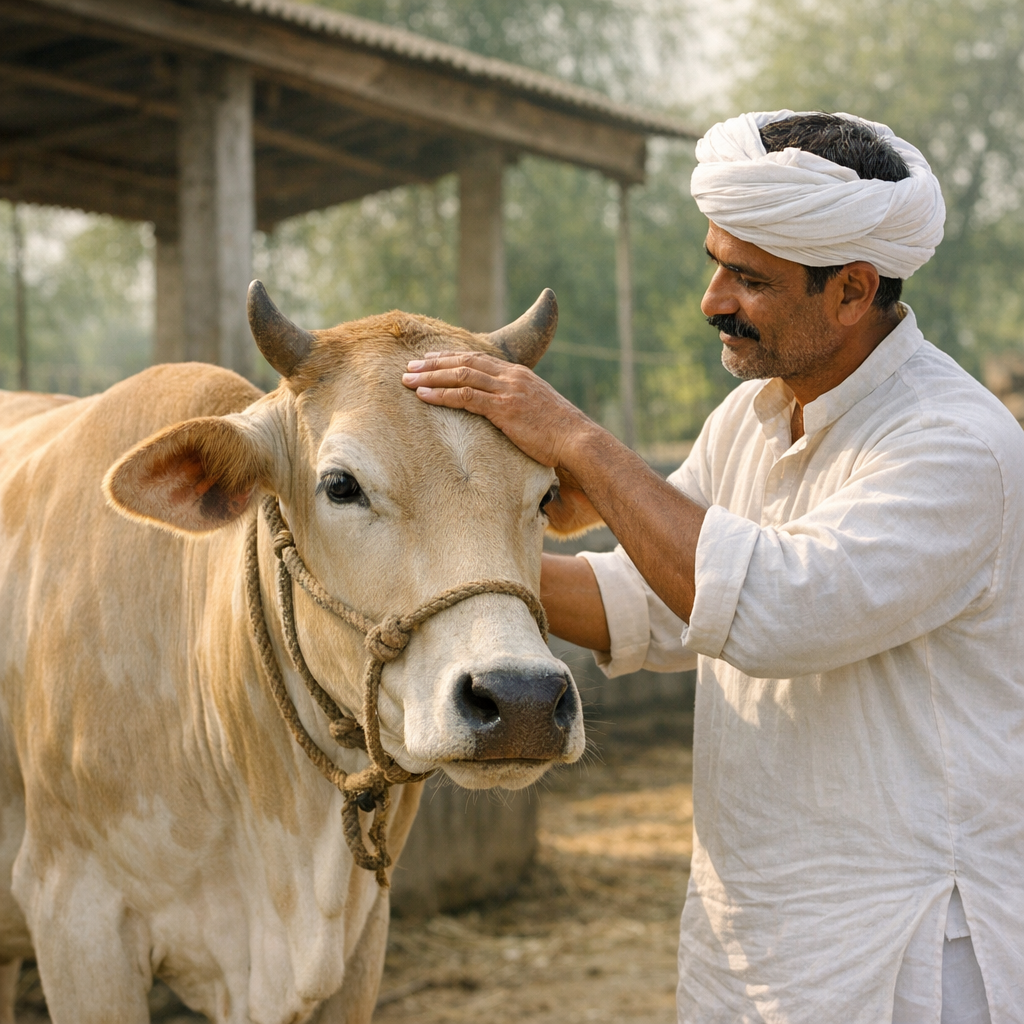
Understanding Cattle First Aid Basics for Indian Farmers
Providing proper care for your bovine companions requires more than just feeding and shelter; it demands an understanding of cattle first aid basics to handle unexpected health challenges. Whether you are managing a small family-owned dairy or caring for rescued bovines, knowing how to react during minor emergencies can make a world of difference for your animal’s welfare. As pet parents and animal guardians, we believe that preparation is the foundation of a healthy life, and you can find more resources on our comprehensive cattle care hub to ensure your animals thrive in every season.
Cattle, particularly in the diverse Indian climate, are prone to specific injuries and common ailments. From sharp objects in grazing fields to the seasonal influx of ticks and minor skin abrasions, the ability to assess and stabilize your animal before a professional arrives is a vital skill. Remember, as pet parents, our priority is always to minimize stress and prevent further harm. While we can provide guidance on basic hygiene and emergency stabilization, it is crucial to understand that these tips are for informational purposes only. Always maintain the contact details of a local veterinarian for any medical intervention.
The Pawsitive Hoomans Take
At Pawsitive Hoomans, we view cattle not just as livestock, but as sentient individuals who deserve comfort and respect. Our approach to first aid is deeply rooted in low-stress handling and preventative care. We advocate for a calm, patient environment where the animal feels safe rather than restrained or frightened. When an injury occurs, the first step is always to ensure the safety of both the human and the cow, as a stressed or panicked animal can inadvertently cause more injury to themselves or their caretakers. We believe that by creating a bond of trust, you make the process of medical care much easier for the animal to endure.
🏥 Is your pet showing these symptoms? Log them instantly in our free Triage Engine inside Pet Passport to get immediate guidance.
Recognizing When You Need Professional Help
It is important to acknowledge the limitations of home-based first aid. Veterinary experts recommend that you never attempt to diagnose complex conditions or prescribe medications yourself. If you observe signs such as a refusal to eat for more than 12 hours, high fever, difficulty breathing, or deep, bleeding wounds that will not stop with pressure, reach out to a professional immediately. For accurate health monitoring and to track any recurring issues, you can record your cattle’s history in our Pet Passport to ensure your veterinarian has all the information they need during an emergency visit.
Managing Minor Wounds and Abrasions
In rural and urban settings alike, cattle often suffer from minor cuts on the legs or udders. The first rule of first aid for wounds is cleanliness. Flush the area with clean, lukewarm water to remove debris. Avoid applying household powders or unverified pastes that might trap bacteria. Instead, protect the area from flies, as they can lead to infections or maggot infestation. Research shows that keeping a clean, dry environment is the most effective way to encourage natural healing. Always consult your vet about the appropriate antiseptic sprays or creams that are safe for use in your specific region.
Heat Stress and Hydration
With India’s scorching summers, heat exhaustion is a major concern. If you notice your cattle panting heavily, drooling excessively, or acting lethargic, move them to a shaded, well-ventilated area immediately. Offer small amounts of clean water frequently rather than one large bucket. Electrolyte imbalances can occur quickly, so if the symptoms persist, do not delay in calling for support. Providing consistent access to cool, clean water is the best form of preventative first aid you can offer.
Not sure what your pet needs? Use our free tools — Emergency Triage Guide or Custom Diet Calculator.
Frequently Asked Questions
What should I do if my cow has a deep bleeding wound?
Apply firm, direct pressure to the bleeding site with a clean cloth or sterile gauze for 10 to 15 minutes without lifting it, and contact your veterinarian immediately. Deep wounds can often require stitches or specialized treatment to prevent tetanus and infection. Never attempt to cauterize or use home-remedy powders on deep lacerations.
How can I tell if my cow is suffering from heat stroke?
Yes, an animal is likely experiencing heat stroke if its rectal temperature exceeds 104°F, it is panting heavily with an extended tongue, and it is showing signs of extreme weakness or collapse. Move the animal to a shaded area with cross-ventilation immediately, dampen its skin with water to aid cooling, and call a vet for emergency intervention.
Is it safe to use human antiseptic creams on cattle?
No, you should never use human-grade antiseptic creams or ointments on cattle without explicit approval from a veterinarian, as some ingredients can be toxic if the animal licks the area. Always use veterinary-prescribed products that are specifically formulated to be safe if ingested and effective against the common bacteria found in stable environments.
Can I give my cow human pain medication for injuries?
No, never administer human pain medications like ibuprofen, aspirin, or paracetamol to cattle, as these can be fatal even in small doses. These drugs can cause severe gastrointestinal ulceration and kidney failure in ruminants. Always seek professional advice to get the correct dosage of safe, veterinary-approved anti-inflammatory medication.