
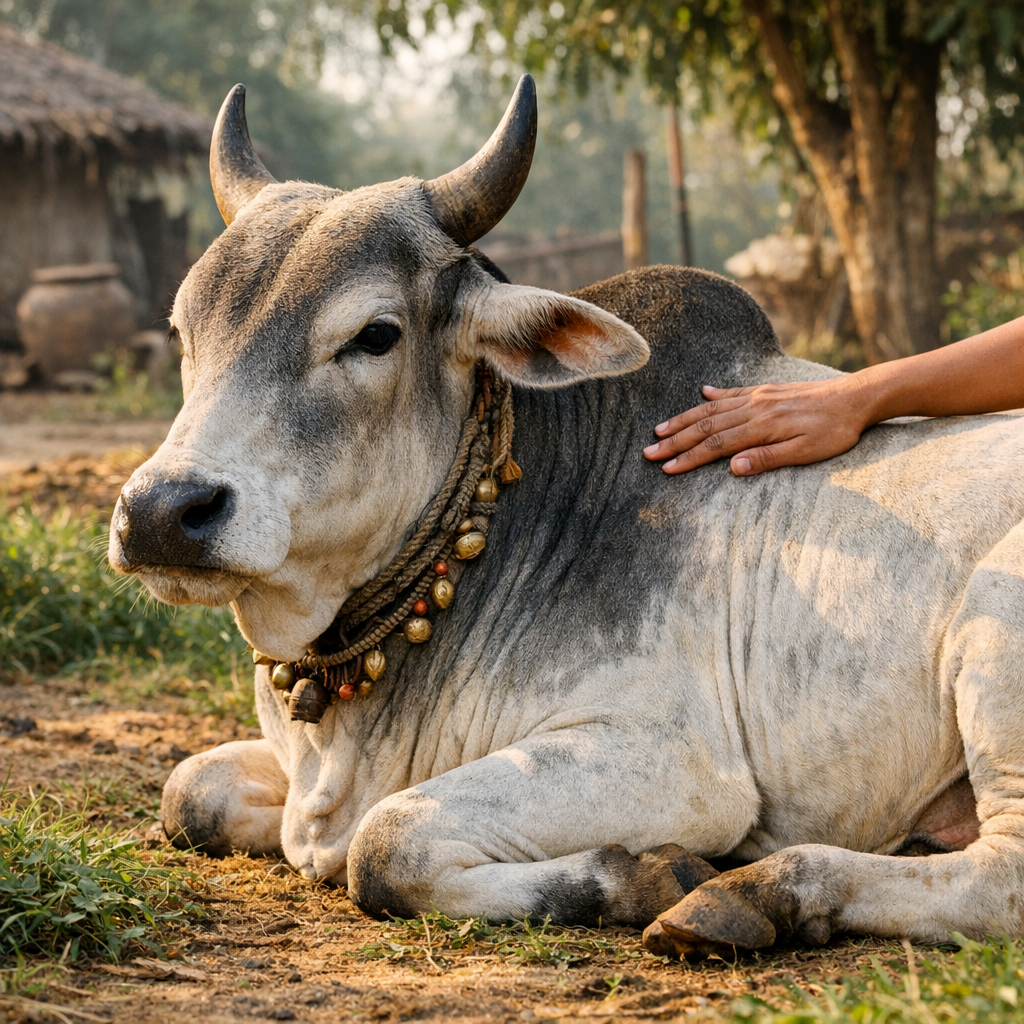
Understanding Bull and Nandi Welfare in India
In the rich cultural tapestry of India, the Nandi holds a place of profound respect, yet the day-to-day realities of bull and Nandi welfare often fall short of the reverence they are traditionally afforded. As pet parents and community members, advocating for these majestic animals is a vital responsibility. Whether you are interacting with working bulls in agricultural settings or caring for rescued Nandi in sanctuaries, ensuring their health, safety, and dignity is paramount. For those looking to support these animals through proper stewardship, our cattle care resource hub provides a foundation for best practices in animal husbandry and welfare advocacy.
Respecting the sentience of bulls means moving away from outdated or harsh handling methods. Modern research shows that positive reinforcement and trust-based management yield far better results than coercive techniques. When we talk about welfare, we are looking at the five freedoms: freedom from hunger and thirst, discomfort, pain, injury or disease, fear and distress, and the freedom to express normal behavior.
The Importance of Ethical Handling
At Pawsitive Hoomans, we emphasize that a bull or Nandi is not just a tool for work but a sentient individual capable of complex emotions. Their physical strength should never be an excuse for rough handling. Veterinary experts recommend that handlers invest time in building a relationship based on mutual understanding. This involves gentle grooming, consistent routines, and providing environments that allow them to roam freely when not working.
Many bulls in urban or peri-urban areas suffer from lack of proper shelter or access to clean grazing patches. Providing a shaded, well-ventilated space is essential to prevent heat stress, which is a major concern in the Indian climate. Furthermore, ensuring that their feet are checked regularly for stones or infections is a simple yet life-changing act of care. As community members, we can advocate for better municipal shelters and support organizations that prioritize non-violent, rescue-based approaches to cattle management.
The Pawsitive Hoomans Take
Our stance on Nandi welfare is clear: every bovine deserves a life free from forced labor and neglect. We believe in the “Adopt, Don’t Exploit” philosophy. If you see a bull in distress or suffering from injury, do not attempt medical intervention yourself. Instead, contact a local animal welfare organization or a large-animal veterinarian. Ethical care also means supporting organizations that take in retired bulls and provide them with a dignified retirement rather than discarding them when their productivity wanes.
🏥 Is your pet showing these symptoms? Log them instantly in our free Triage Engine inside Pet Passport to get immediate guidance.
We strongly advocate against the traditional practice of nose rings or harsh physical restraints, which cause chronic pain and distress. Instead, explore harness-based or low-stress handling techniques that honor the bull’s autonomy. By choosing to educate our neighbors and local shopkeepers about the benefits of gentle handling, we can create a culture of compassion that benefits both humans and cattle.
Nutritional Needs for Healthy Bulls
Nutrition is the cornerstone of welfare. A bull’s diet should primarily consist of high-quality roughage, such as green fodder and dry straw, supplemented with essential minerals. Avoid feeding them kitchen waste or plastic-laden trash, which is a common cause of fatal impaction in urban cattle. For an exact daily portion tailored to your bovine’s weight and activity level, use the free Custom Diet Calculator at pawsitivehoomans.com/dog-diet/ (adapted for cattle protocols).
Remember, consistent access to clean water is not optional. Dehydration can lead to a host of health issues, including colic and systemic organ strain. If you manage a small group of cattle, setting up a communal water trough is a low-cost, high-impact project that can significantly improve the health of local Nandi populations.
Not sure what your pet needs? Use our free tools — Emergency Triage Guide or Custom Diet Calculator.
Frequently Asked Questions
How can I help a stray Nandi or bull I see on the street?
You can help by ensuring the animal has access to clean drinking water and, if necessary, contacting a local NGO for a welfare check. Never feed them processed human food; instead, provide fresh green fodder if you have the means. If the bull appears injured or shows signs of illness, such as lethargy or refusal to eat, report them to the nearest animal shelter or government veterinary department so they can receive professional care.
Is it safe to feed temple bulls fruits and vegetables?
It is generally safe to feed them small, washed amounts of fruits like bananas or carrots, but these should only be treats and never replace their primary diet of roughage. Ensure the fruits are free from plastic wrappers or pesticide residue. Feeding excessive sugars or starchy vegetables can lead to metabolic imbalances, so moderation is key to maintaining their long-term health.
How do I know if a bull is suffering from heat stroke?
A bull suffering from heat stroke will exhibit heavy panting, excessive salivation, stumbling, and a very high body temperature or complete collapse. Move the animal to a shaded area immediately, spray cool (not ice-cold) water on their legs and neck, and provide a fan if available while waiting for a veterinarian. Heat stroke is a medical emergency that requires immediate professional intervention to stabilize the animal.
Advocacy starts with awareness and record-keeping. To keep track of your community efforts, use our Pet Passport tool to log health sightings and coordinate care with other volunteers.
Disclaimer: The information provided on Pawsitive Hoomans is for educational purposes only and does not replace professional veterinary advice. Always consult with a qualified large-animal veterinarian regarding any health or medical concerns for cattle.