
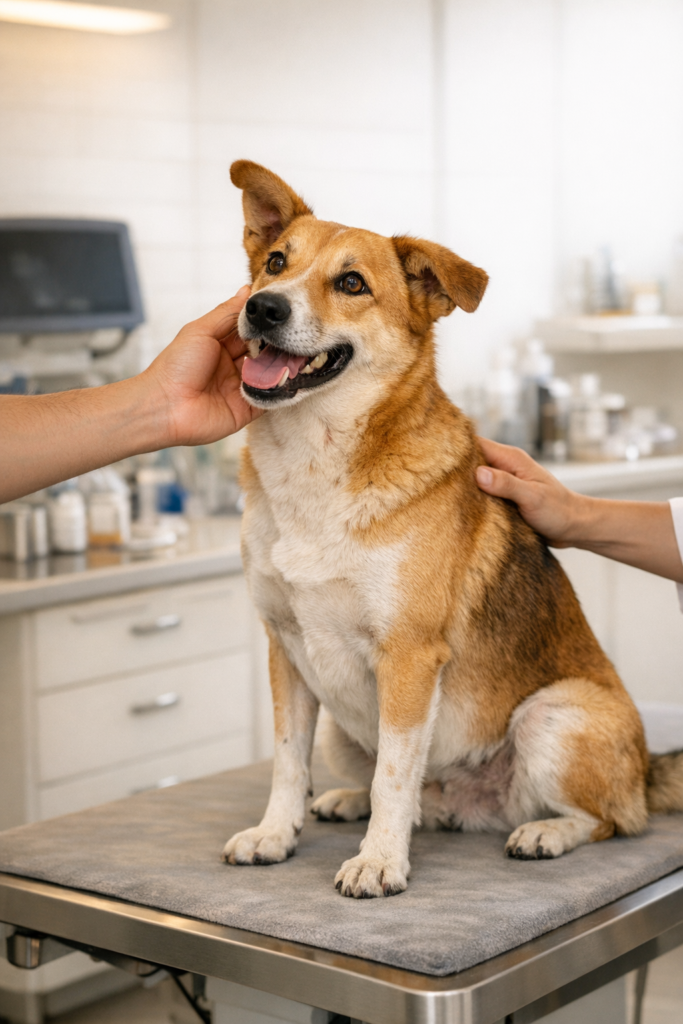
Understanding the Importance of Adopted Stray Dog Vaccination
Bringing a rescued indie dog into your home is one of the most rewarding experiences a pet parent can have. However, one of the first and most critical responsibilities is managing your new companion’s health, specifically regarding their adopted stray dog vaccination schedule. Unlike puppies from ethical breeders who often come with a documented medical history, street rescues frequently arrive with unknown medical backgrounds. As we explore the best ways to care for your new family member, you can find a wealth of information in our comprehensive dog-hub to help you navigate the early days of adoption.
Because stray dogs have survived the harsh conditions of the street, their immune systems are often resilient, but they are also vulnerable to common, preventable diseases such as parvovirus, distemper, and rabies. Catch-up vaccinations are not just about paperwork; they are about providing your pet with a protective shield against life-threatening illnesses that are unfortunately still prevalent in many parts of India. As pet parents, we want to ensure our dogs live long, comfortable lives, and establishing a baseline of immunity is the first step toward that goal.
The Pawsitive Hoomans Take
At Pawsitive Hoomans, we believe that every rescue dog deserves a chance at a healthy life, regardless of their past. We advocate for a compassionate, evidence-based approach to healthcare. When you adopt a stray, you are essentially hitting the ‘reset’ button on their medical history. While it might be tempting to skip a few shots if the dog seems healthy and energetic, veterinary experts strongly recommend treating all rescues as unvaccinated until proven otherwise. This is the safest way to ensure your dog is protected against the complex health challenges they might face in an urban environment.
We also emphasize that vaccination should always be a positive experience. If your dog is anxious or fearful, we encourage the use of positive reinforcement—such as high-value treats and gentle reassurance—to make the clinic visit less stressful. By pairing medical procedures with positive associations, you help build trust with your rescue, making future visits smoother and less frightening for them.
🐾 Keep a complete health record for your pet with our free Pet Passport. Track vaccinations, weight and behaviour in one place.
The Typical Catch-Up Schedule
The concept of ‘catch-up’ vaccination for a rescue dog involves initiating a core vaccine series. Since we don’t know if the dog received shots as a puppy, veterinarians typically advise starting from scratch. Core vaccines generally include the DHPP (Distemper, Hepatitis, Parvovirus, and Parainfluenza) vaccine and the Rabies vaccine. In India, because rabies remains a significant public health concern, the anti-rabies vaccine is mandatory and legally required for all pet dogs.
Typically, a dog will need an initial set of core vaccines, followed by a booster shot 3–4 weeks later. This ensures the immune system mounts a sufficient response. Once this initial series is complete, most vets suggest an annual booster. It is important to note that every dog is an individual; factors like age, weight, and general health will dictate the specific schedule your veterinarian puts in place for your adopted companion.
The Role of Deworming
Before or alongside vaccinations, your vet will likely discuss a deworming schedule. Stray dogs almost invariably carry intestinal parasites. A heavy parasite load can actually interfere with how well a dog’s immune system responds to a vaccine. Therefore, getting your dog on a proper deworming protocol is a critical part of the ‘catch-up’ process. Always follow your vet’s professional advice on the frequency and type of dewormer, as these are often weight-dependent.
Building Trust During Medical Visits
For an indie dog who has lived on the streets, the sights, smells, and sounds of a veterinary clinic can be incredibly overwhelming. As advocates for force-free care, we recommend preparing for your visits by practicing handling at home. Gently touch their ears, paws, and mouth while rewarding them with treats. This ‘cooperative care’ approach helps the dog feel in control, which reduces fear and anxiety. If your dog is particularly reactive, speak to your veterinarian about creating a low-stress environment, such as waiting in the car until it is time for the appointment.
Not sure what your pet needs? Use our free tools — Emergency Triage Guide or Custom Diet Calculator.
Frequently Asked Questions
Do I need to get my adult indie dog vaccinated if they have lived on the street for years?
Yes, all adult rescue dogs should be vaccinated regardless of their time spent on the street, as you cannot verify their immune status. Even if a dog has survived in the wild, they may not have immunity to specific virulent strains of distemper or parvovirus. Establishing a documented vaccination history provides necessary protection and fulfills legal requirements for rabies prevention in India.
Can I give my rescue dog the rabies vaccine and the DHPP vaccine on the same day?
Yes, it is common practice for veterinarians to administer both the rabies vaccine and the DHPP multi-component vaccine during the same visit for an adult rescue dog. This helps minimize the number of stressful trips to the clinic. However, you should always consult your vet about your dog’s specific health condition before combining vaccines, as they may prefer to space them out if the dog is particularly frail or has a history of allergies.
How much does a full vaccination catch-up for a street dog usually cost in India?
A full primary vaccination series for an adult rescue dog in India typically ranges from ₹1,500 to ₹3,500, depending on the clinic location and the brand of vaccines used. This cost usually covers the initial consult, the DHPP vaccine, the rabies vaccine, and the follow-up booster doses. It is always best to call your local clinic beforehand to get a precise estimate for your area.
What are the common side effects of vaccines in rescue dogs?
Most rescue dogs experience only mild, temporary side effects like lethargy, a decreased appetite, or slight swelling at the injection site for 24 to 48 hours. These symptoms are a sign that the dog’s immune system is actively learning to identify and protect against the disease. If you notice persistent vomiting, facial swelling, or breathing difficulty, seek veterinary care immediately as these could indicate an allergic reaction.
Consistency is key to your dog’s long-term health. Keeping track of these medical milestones is much easier when you use our digital pet records to ensure you never miss a booster or a scheduled check-up.
Disclaimer: Pawsitive Hoomans is an informational resource and does not provide medical or veterinary services. The information provided here is for educational purposes only and is not a substitute for professional veterinary advice, diagnosis, or treatment. Always consult with a qualified veterinarian regarding your pet’s health, vaccination needs, or any medical concerns you may have.