
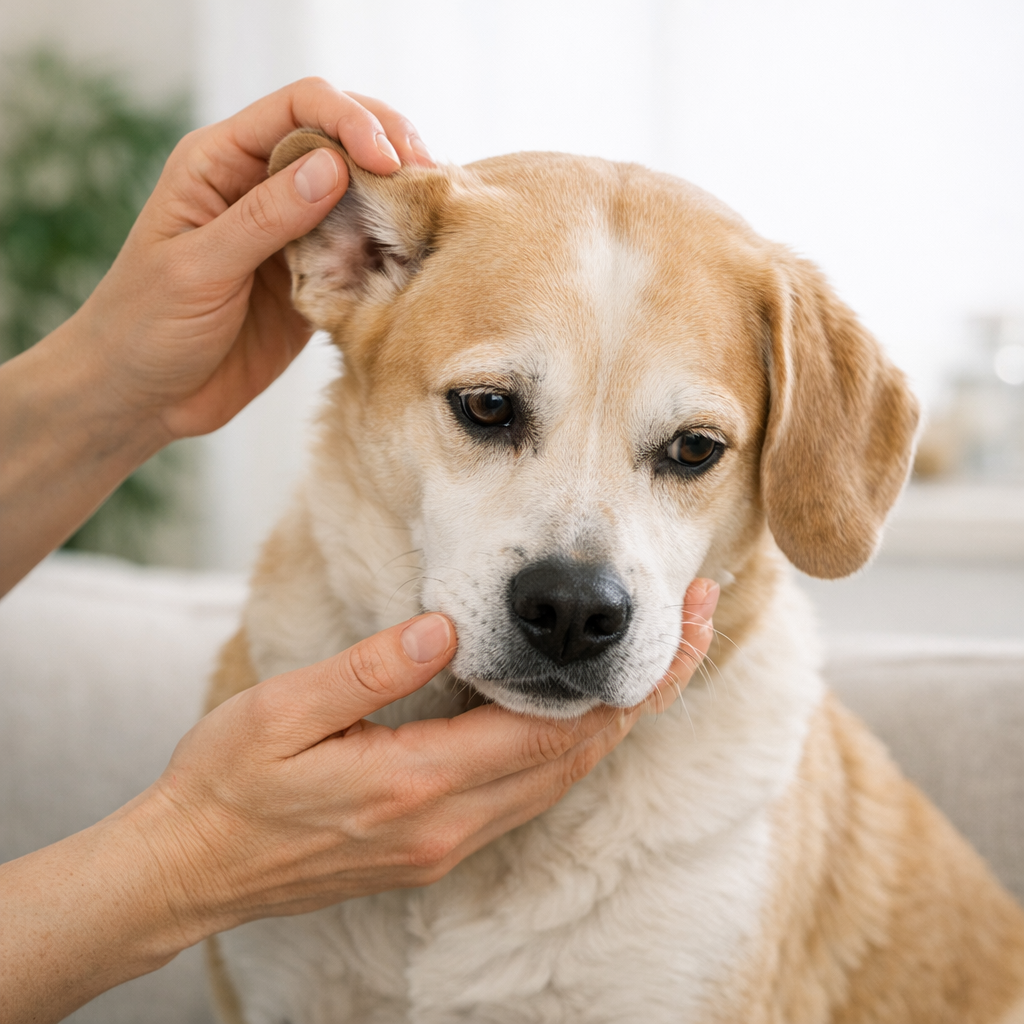
Understanding Your Dog’s Anal Glands
As dedicated pet parents, we often find ourselves navigating the sometimes “gross” realities of canine anatomy. One topic that frequently causes confusion and anxiety is dog anal gland expression. If you have noticed your furry friend scooting across your living room floor or constantly licking their rear end, you might be dealing with an issue related to these small, scent-filled sacs. For more guidance on managing your pet’s overall well-being, visit our dog care hub to learn about everything from grooming to common health queries.
Every dog possesses two small glands located on either side of the anus. These glands are part of their scent-marking system, containing a pungent fluid that is naturally expressed whenever your dog passes a firm stool. In many healthy dogs, this process happens automatically without any human intervention. However, when these glands do not empty correctly, they can become impacted, infected, or abscessed, leading to discomfort for your companion.
Why Do Anal Glands Become Impacted?
Several factors can influence whether a dog struggles with their anal glands. Diet plays a massive role; dogs who do not consume enough fiber often produce softer stools, which fail to put enough pressure on the glands to empty them during a bowel movement. Obesity can also be a contributing factor, as extra fat tissue can physically obstruct the glands. Furthermore, some breeds, particularly smaller dogs, are genetically predisposed to having narrower ducts, making it harder for the fluid to pass naturally.
It is important to remember that not every “scooting” incident is an anal gland issue. Allergies, parasites like tapeworms, or simple skin irritation can cause similar behaviors. This is why we always emphasize that you should consult your veterinarian before assuming your dog requires manual expression. Improperly “expressing” the glands can actually cause inflammation or damage the delicate tissues, so leave the heavy lifting to the professionals unless you have been specifically trained on how to do it safely.
The Pawsitive Hoomans Take
At Pawsitive Hoomans, we believe that preventive care is the best care. Rather than focusing on how to perform manual expression yourself, we encourage pet parents to focus on lifestyle adjustments that support natural expression. High-fiber diets, consistent exercise, and weight management can work wonders in preventing recurrent impaction. We advocate for a force-free approach; never force your dog to undergo painful or stressful procedures. If your dog is showing signs of distress, like chasing their tail aggressively or whining while sitting, it is time to schedule a wellness visit.
🏥 Is your pet showing these symptoms? Log them instantly in our free Triage Engine inside Pet Passport to get immediate guidance.
When to See a Vet Immediately
If you notice a sudden swelling, redness, or a foul-smelling discharge near the anal area, please do not attempt home remedies. These are classic signs of an abscess or infection. Unlike a simple impaction, an abscess is extremely painful and can rupture, leading to severe discomfort and potential sepsis if left untreated. Your veterinarian will be able to safely express the glands, provide appropriate pain management, and potentially prescribe antibiotics if an infection is present. If you are ever unsure about your dog’s health status, remember that for an exact daily portion tailored to your dog’s weight, use the free Dog Diet Calculator at pawsitivehoomans.com/dog-diet/.
Maintaining Long-Term Anal Health
Consistency is key to a happy pup. Keep a regular schedule for grooming and check-ups. Ensure your dog is getting enough hydration and high-quality roughage in their diet. If you find your dog needs manual expression more than once every few months, it is time to have a deep-dive conversation with your vet about underlying health issues, such as chronic allergies, that might be exacerbating the problem. Monitoring your dog’s health history is much easier when you use tools like the Pet Passport, which helps you keep track of all your vet visits and recurring health concerns.
Frequently Asked Questions
Why does my dog keep dragging his bottom on the floor after a bath?
A dog dragging their bottom after a bath may be experiencing irritation from soap residue or could have naturally occurring mild pressure in their anal glands that the physical activity of the bath aggravated. If this persists beyond a few minutes or if your dog is scooting multiple times a day, consult your veterinarian to rule out impaction or skin sensitivity.
Can I express my dog’s anal glands myself at home?
You should not attempt to express your dog’s anal glands at home unless you have been trained by a veterinary professional to do so, as improper technique can cause significant pain, tissue damage, and infection. Regular, unnecessary expression can lead to scar tissue buildup, which makes it harder for the glands to empty naturally in the future.
What are the best fiber-rich foods for dogs with anal gland problems?
Plain, steamed vegetables like pumpkin or carrots are excellent fiber sources that can help create firmer stools to support natural anal gland expression. Always introduce new fiber sources gradually and in moderation to avoid digestive upset, and check with your veterinarian to ensure these additions align with your specific dog’s dietary needs.
Not sure what your pet needs? Use our free tools — Emergency Triage Guide or Custom Diet Calculator.
Disclaimer: Pawsitive Hoomans is not a veterinary practice, and the content provided here is for informational purposes only. This information does not replace professional veterinary advice, diagnosis, or treatment. Always consult with your qualified veterinarian regarding any medical concerns or conditions your pet may have. Never disregard professional veterinary advice or delay seeking it because of something you have read on this website.