
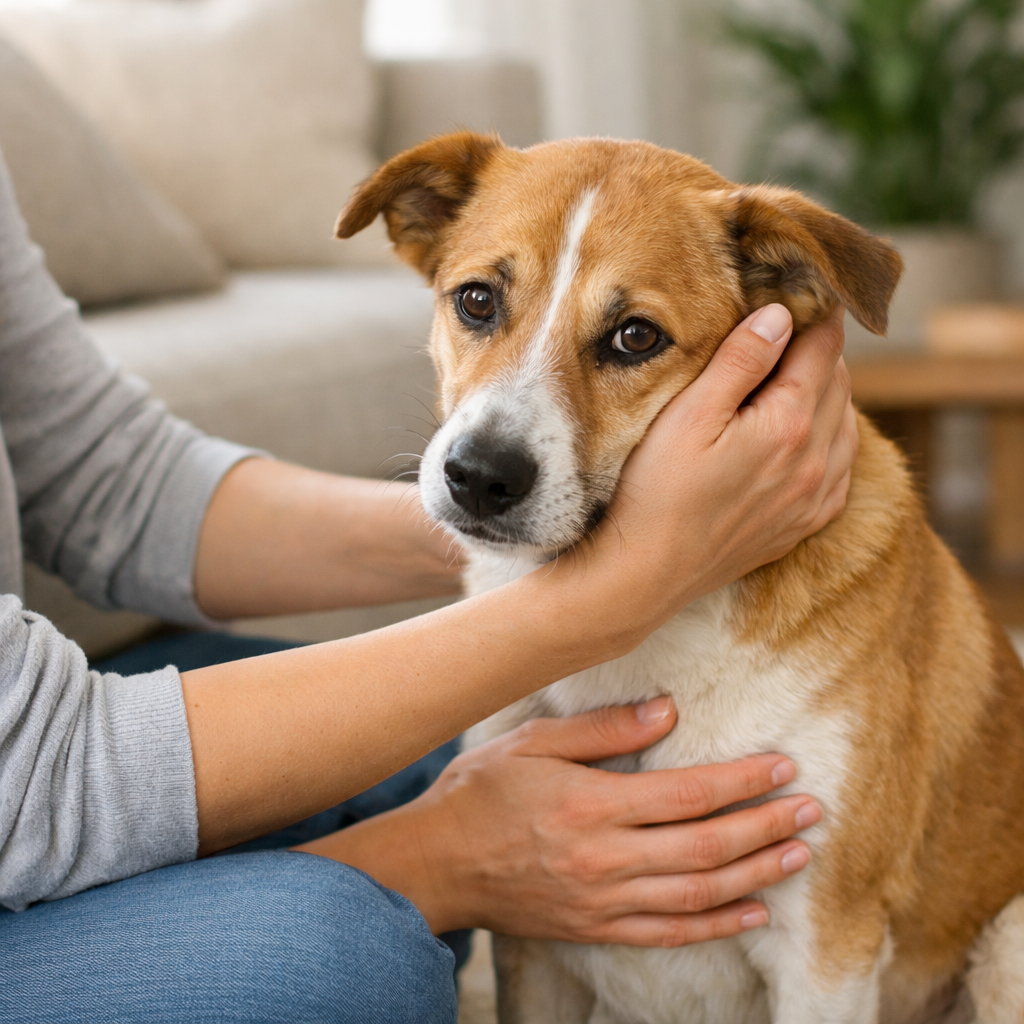
Understanding Dog UTI Symptoms and Treatment
As pet parents, we all want to ensure our furry companions are comfortable and happy every single day. If you have noticed your dog acting a little differently when they go out to potty, it is natural to be concerned about potential health issues like a urinary tract infection. Understanding dog UTI symptoms and treatment is an essential part of being a prepared guardian, especially since our four-legged friends cannot simply tell us where it hurts. For more comprehensive resources on canine care, be sure to visit our dog hub to explore tips on health, nutrition, and lifestyle.
A urinary tract infection, or UTI, occurs when bacteria enter the bladder or urethra, leading to discomfort and inflammation. While these infections are common, they require careful attention and professional guidance to resolve. Identifying the warning signs early can save your pet from unnecessary pain and help prevent the infection from spreading to the kidneys, which is a much more serious complication.
Identifying the Symptoms of a UTI
The signs of a UTI in dogs are often centered around their bathroom habits. Because these symptoms can mimic other conditions—such as bladder stones or behavioral changes—it is vital to observe your dog closely. Common symptoms include straining to urinate, producing only small droplets frequently, or showing signs of discomfort or whining during urination. You might also notice an unusually strong odor in their urine or see traces of blood, which may make the urine appear pinkish or cloudy.
Sometimes, a dog with a UTI may have accidents in the house, even if they have been house-trained for years. This is not a behavioral issue; it is a physical urge they simply cannot control. Additionally, your dog might spend an excessive amount of time licking their genital area, which is their way of trying to soothe the inflammation. If you spot these changes, do not wait for them to pass. Contacting your local veterinarian for a proper diagnosis is the most important step you can take.
How Veterinarians Approach Diagnosis
When you take your dog to the vet, they will likely ask for a urine sample to perform a urinalysis. This is the gold standard for diagnosing a UTI. The vet will check for the presence of bacteria, white blood cells, and blood. In some cases, they may recommend a urine culture to identify the specific type of bacteria causing the infection so that the right treatment can be prescribed. Please remember that only a licensed professional can determine if your dog needs antibiotics. Never use leftover medication from a previous illness or share human medication, as these can be dangerous or even fatal to your dog.
The Pawsitive Hoomans Take
At Pawsitive Hoomans, we believe that prevention and proactive observation are the cornerstones of long-term health. We advocate for a “force-free” approach to pet care, which means addressing health issues with patience and empathy. If your dog is struggling with a UTI, they are likely feeling vulnerable and stressed. Keep their environment calm, ensure they have easy access to fresh water, and provide them with extra comfort while they recover. Supporting their immune system with a balanced, high-quality diet and ensuring they get plenty of hydration are simple, effective ways to help keep their urinary tract healthy in the long run. Remember, for an exact daily portion tailored to your dog’s weight, use the free Dog Diet Calculator at pawsitivehoomans.com/dog-diet/.
🏥 Is your pet showing these symptoms? Log them instantly in our free Triage Engine inside Pet Passport to get immediate guidance.
Supporting Recovery at Home
Once your veterinarian has provided a treatment plan, the role of the pet parent becomes crucial. Ensure that your dog completes the full course of any prescribed medication, even if they seem to be feeling better after a couple of days. Stopping treatment early can lead to recurring infections that are much harder to treat. Additionally, encourage your dog to drink more water by keeping their bowl clean and filled, perhaps by adding a little extra moisture to their food. In the Indian climate, hydration is key to maintaining a healthy urinary system. Always avoid forcing your pet to “hold it” for too long—regular walks are essential for bladder health.
Not sure what your pet needs? Use our free tools — Emergency Triage Guide or Custom Diet Calculator.
Conclusion
Dealing with a UTI can be stressful, but with prompt veterinary care and compassionate support at home, your dog will be back to their happy, energetic self in no time. By staying observant and keeping an accurate record of their health history through the Pet Passport, you can ensure that you are providing the best possible care for your companion. Always remember that any changes in your pet’s health should be discussed with a qualified veterinarian to ensure their safety and well-being.
Frequently Asked Questions
Can I give my dog apple cider vinegar for a UTI at home?
No, you should never treat a suspected UTI with home remedies like apple cider vinegar as it can irritate the bladder further and delay necessary medical treatment. A UTI requires a veterinary diagnosis, usually via a urine sample, to determine if antibiotics are needed to clear the infection safely.
How much water should my dog drink to help with a UTI?
A dog should generally drink between 40 to 60 ml of water per kilogram of body weight daily, though you should encourage extra intake by keeping fresh water available at all times during a UTI. Increasing hydration helps flush bacteria out of the urinary tract and reduces the concentration of urine, which can ease the stinging sensation during urination.
Are female dogs more prone to UTIs than male dogs?
Yes, female dogs are statistically more prone to UTIs due to their shorter, wider urethras, which make it easier for bacteria from the environment or skin to migrate into the bladder. While both sexes can get infections, female pet parents should be extra vigilant about observing their dog’s urination habits for any signs of discomfort.
Disclaimer: We are passionate pet care advocates, not veterinarians. The information provided here is for educational purposes only and should not replace professional medical advice. Always consult with a qualified veterinarian regarding your pet’s health, diagnosis, and treatment options.