
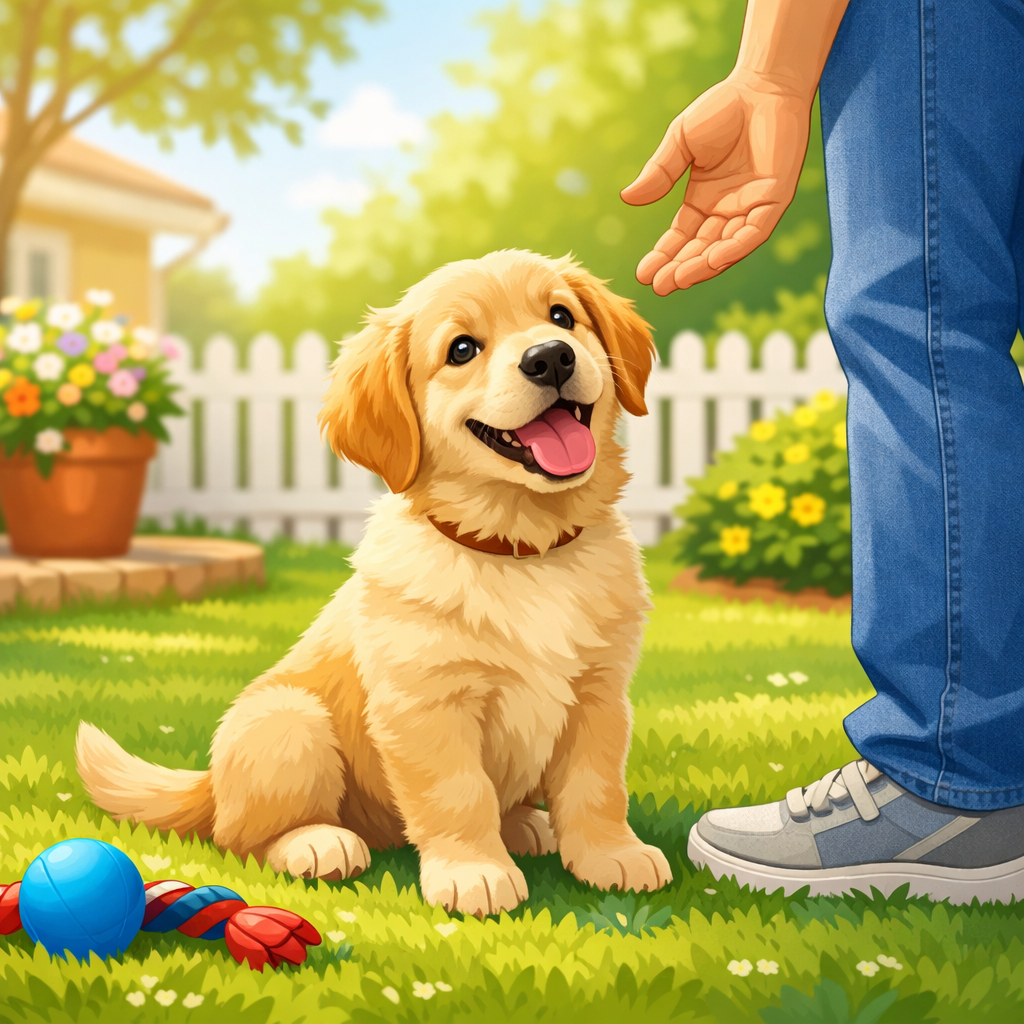
Understanding the Basics of Puppy Potty Training
Welcoming a new puppy into your home is an incredibly rewarding experience, but it often comes with a steep learning curve, particularly regarding house manners. Mastering natural puppy potty training is one of the first and most important milestones for new pet parents. At Pawsitive Hoomans, we believe that the key to success lies in consistency, patience, and positive reinforcement. Rather than viewing accidents as failures, we encourage you to view them as opportunities to guide your puppy toward the right habits.
Puppies, much like human infants, have very small bladders and limited physical control. When a puppy is younger than four to six months, they simply cannot “hold it” for long periods. Understanding this biological reality is the first step toward reducing your own frustration. By setting up a predictable environment, you can minimize accidents and build a foundation of trust that will benefit your relationship for years to come.
The Importance of a Consistent Routine
If there is one secret to effective, natural puppy potty training, it is routine. Dogs are creatures of habit who thrive when they know exactly what to expect from their environment. By establishing a rigid schedule for feedings, playtimes, and potty breaks, you provide your puppy with the predictability they need to succeed. Research shows that puppies generally need to go outside immediately after waking up, within 15-20 minutes of finishing a meal, and after any high-energy play session.
Consistency also extends to the physical location where you take your puppy. Always use the same “potty spot” in your yard. The scent of previous successful trips acts as a natural trigger, signaling to the puppy that this is the designated area for business. Keep your puppy on a leash during these trips; this prevents them from getting distracted by toys or squirrels and keeps them focused on the task at hand. Once they successfully go, be sure to offer immediate praise and a high-value treat, reinforcing the connection between the action and a positive reward.
Positive Reinforcement: The Only Way Forward
At Pawsitive Hoomans, we are staunch advocates for force-free, positive reinforcement training. Punishing a puppy for having an accident in the house—such as yelling or using outdated methods like rubbing their nose in it—is counterproductive and often damaging. It does not teach the puppy where they should go; instead, it teaches them to fear you or to hide when they need to relieve themselves. This can lead to anxiety and future behavioral challenges that are much harder to resolve.
Instead, focus on “catching them being good.” When you see your puppy circling or sniffing, gently guide them outside. If they go, throw a small party! Use a happy, excited tone of voice and reward them generously. This builds confidence and creates a strong desire in the puppy to repeat the behavior because it results in something they love. Remember, training is about communication, not compliance through fear.
The Pawsitive Hoomans Take
As pet parents, it is easy to get caught up in the stress of a messy floor. However, we encourage you to take a breath and zoom out. Natural puppy potty training is not a race, and every puppy develops at their own pace. Some breeds are notoriously more challenging to potty train than others, and small-breed puppies may take longer due to their tiny bladders. Rather than looking for a “quick fix” or a medical shortcut, lean into the process. Use this time as a bonding exercise. Every walk outside is an opportunity to teach your puppy that you are their reliable leader and protector.
We also advise against the use of puppy pads as a long-term solution. While they may seem convenient, they often confuse puppies by teaching them that it is acceptable to eliminate on soft surfaces inside the house. If you live in an apartment, try to use artificial grass patches on a balcony or porch that mimic the sensation of real grass, making the eventual transition to the outdoors much smoother. If you are struggling with a puppy that seems to have no pattern, keep a simple “potty log” for a week to track their times. You will likely see a pattern emerge that helps you predict their needs before they happen.
Managing Indoor Environment and Supervision
Supervision is the final pillar of effective potty training. When you cannot be actively watching your puppy, they should be in a confined, puppy-proofed space, such as a crate or an exercise pen. Dogs have a natural instinct to keep their sleeping area clean, which makes crate training a highly effective tool. However, it is vital to ensure the crate is sized correctly—it should only be large enough for them to stand, turn around, and lie down. If the crate is too large, a puppy may use one corner as a bathroom and sleep in the other.
If you find an accident, clean it thoroughly with an enzymatic cleaner. Regular household cleaners might hide the scent from your nose, but a puppy’s sense of smell is far superior. If the scent of urine remains, the puppy will be drawn back to that same spot repeatedly. Enzymatic cleaners break down the proteins in the waste, effectively removing the odor that acts as a beacon for your puppy. By managing their environment, you essentially set them up for a lifetime of clean habits and successful communication.
Not sure what your pet needs? Use our free tools — Emergency Triage Guide or Custom Diet Calculator.
Disclaimer: Please note that while Pawsitive Hoomans provides guidance based on research and pet care advocacy, we are not veterinarians. If your puppy is exhibiting sudden changes in potty habits, appears to be in pain, or is not progressing despite consistent training, it is crucial to consult a qualified veterinarian. These could be signs of underlying medical issues such as urinary tract infections or parasites that require professional medical assessment. Always prioritize your pet’s health by seeking veterinary advice for any medical concerns.