
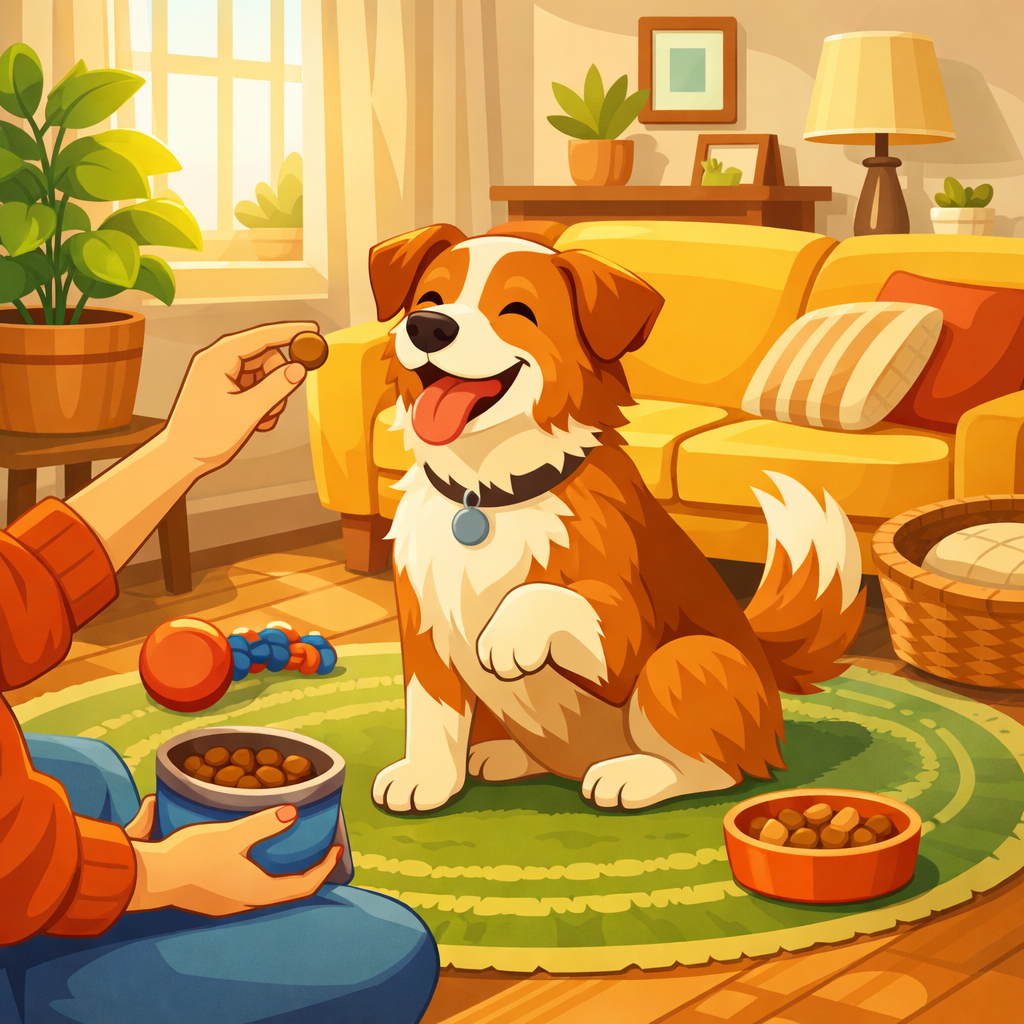
Understanding the Foundations of Natural Dog Training
At Pawsitive Hoomans, we believe that the most effective way to foster a lifelong bond with your canine companion is through a natural dog training routine that prioritizes communication over correction. When we talk about “natural” training, we aren’t just talking about treats and clickers; we are referring to a philosophy that respects a dog’s innate biological and psychological needs. By understanding how dogs learn—which is primarily through reinforcement of behaviors that result in positive outcomes—we can create an environment where our dogs choose to work with us, not because they fear consequences, but because they understand that collaboration is rewarding.
Many pet parents feel overwhelmed when starting a training journey. Whether you have a rescue dog adjusting to a new home or a puppy hitting their adolescent stage, the key is consistency. Research shows that dogs thrive when their days have a predictable structure. A natural dog training routine integrates training moments into everyday activities rather than setting aside an hour of rigid drills. When you make learning a lifestyle, your dog stops seeing training as a “job” and starts seeing it as a way of life.
Why Positive Reinforcement is the Only Way Forward
The pet care community has moved decisively away from outdated dominance-based methods. At Pawsitive Hoomans, we advocate strictly for force-free, science-based training. Why? Because when we use fear or physical intimidation to modify behavior, we damage the trust between human and dog. A dog trained through positive reinforcement—where we reward desired behaviors with high-value treats, toys, or praise—develops a deeper sense of security. They learn that they have agency, which actually reduces anxiety and reactivity.
A natural dog training routine focuses on “marking” the behavior you like. Whether you use a clicker or a verbal marker like “Yes!,” the goal is to bridge the gap between the action and the reward. If your dog sits calmly while you prepare their dinner, that is a training moment. If they walk beside you on a loose leash during your morning walk, that is a training moment. By capturing these “good” moments, you shape your dog’s character without ever needing to rely on aversive tools like prong or shock collars.
Structure: The Heart of Your Training Schedule
A successful routine must include three key pillars: mental enrichment, physical exercise, and downtime. A common mistake pet parents make is focusing too much on physical exercise. If you run a high-energy dog for hours, you might just be building an athlete that requires even more exercise to tire out. Instead, a natural dog training routine incorporates brain games. Scent work, puzzle feeders, and trick training are excellent ways to drain your dog’s mental energy, which is often more satisfying for them than physical exhaustion.
Structure your day by breaking training into short, 5-minute sessions. Dogs have short attention spans. By practicing “come” or “stay” in short bursts, you keep your dog engaged and eager for the next opportunity. Remember, these sessions should always end on a high note. If your dog is struggling, go back to a foundation skill they know well, reward them, and call it a day.
The Pawsitive Hoomans Take
At Pawsitive Hoomans, we are firm believers in the “Training is Relationship” mindset. We often see pet parents treat training as a chore to be completed to have a “good dog.” We encourage you to reframe this. Every interaction is a training session. The way you walk through a door, the way you ask for a “wait” before the food bowl hits the floor, and the way you handle a leash—these are all moments where you are shaping your dog’s future behavior. Never forget that rescue dogs, in particular, may have had traumatic histories. A natural, force-free approach is the most effective way to help these resilient animals build the confidence they need to thrive in a domestic setting.
Addressing Common Challenges Without Force
It is normal to hit roadblocks. Maybe your dog struggles with leash reactivity or has a hard time settling down when guests visit. When these challenges arise, look at the environment. Are you asking for too much? Is the environment too distracting? A natural dog training routine often requires us to change *our* behavior before we can change the dog’s. If your dog is struggling, it is usually a sign that they need more guidance, not more discipline. Veterinary experts recommend ruling out physical pain or discomfort first, as sudden behavioral shifts are often linked to underlying health issues. Once a medical professional has given the all-clear, you can return to your routine with a renewed focus on patience.
Consistency is the Secret Ingredient
The most important element of any routine is that everyone in the household is on the same page. If one person allows the dog to jump up and another strictly forbids it, the dog will be understandably confused. Hold a “family meeting” to agree on the rules and the cues you will use. Keep treats in various locations around the house so you are always ready to reward a “good choice” the moment it happens. This proactive approach turns your living space into a training ground, accelerating your dog’s progress and deepening your connection.
Not sure what your pet needs? Use our free tools — Emergency Triage Guide or Custom Diet Calculator.
Ultimately, a natural dog training routine is about listening to your dog. They are constantly communicating with us through their body language, vocalizations, and choices. By slowing down and observing, you can tailor your training to fit your individual dog’s personality and needs. Whether you have a shy rescue or a high-energy puppy, force-free training provides the stability they crave and the partnership you deserve.
Disclaimer: This content is for educational purposes only and does not constitute veterinary or professional behavioral advice. Always consult with your veterinarian regarding your pet’s physical health, and seek out a certified professional dog trainer (CPDT) or a veterinary behaviorist for personalized behavioral support. Never attempt to diagnose or medicate your pet without direct veterinary supervision.