
Understanding Canine Anxiety
As pet parents, we all want to see our furry companions living their happiest, most relaxed lives. Unfortunately, many dogs struggle with stress, fear, or situational tension. Finding natural dog anxiety relief methods is often the first step in helping our four-legged friends feel more secure in their environment. Anxiety in dogs can manifest in many ways, from excessive panting and pacing to destructive behaviors or persistent barking when left alone. Recognizing that these behaviors are usually a cry for help rather than simple ‘bad behavior’ is the foundation of compassionate pet care.
At Pawsitive Hoomans, we advocate for a holistic approach to canine wellness. Before jumping to conclusions, it is essential to look at the environment, daily routine, and physical health of the dog. While we can provide guidance on enrichment and comfort, it is vital to remember that we are not medical professionals. If your dog exhibits sudden behavioral changes, a consultation with a qualified veterinarian is the necessary first step to rule out underlying pain or metabolic conditions.
Environmental Enrichment as a Foundation
One of the most effective ways to manage mild stress is through consistent environmental enrichment. Dogs are intelligent creatures that thrive on mental stimulation. When they are bored, that energy can easily transition into anxiety. By providing puzzle toys, snuffle mats, and engaging in scent-based games, we can redirect a dog’s nervous energy toward productive, fun activities.
Research shows that olfactory stimulation is incredibly powerful for dogs. Setting up a ‘sniffari’—a walk where the dog is allowed to lead and sniff to their heart’s content—can be more tiring and satisfying than a fast-paced three-mile run. By allowing our dogs to engage their natural instincts, we promote confidence and decrease the baseline levels of cortisol in their systems, offering a form of natural dog anxiety relief that is both effective and enriching.
The Power of Positive Reinforcement
We believe firmly that training should be a joyful experience. When a dog is anxious, they are in a state of high arousal. Using punitive training methods or physical corrections on an anxious dog will only amplify their fear and damage the trust between you. Instead, we advocate for force-free training methods that reward calm, desired behaviors.
If your dog is nervous around visitors or loud noises, counter-conditioning is a gold standard. This involves pairing the ‘scary’ stimulus with something incredibly rewarding—like a high-value treat or a favorite toy—in a way that keeps the dog under their threshold. By gradually changing their emotional response from ‘fear’ to ‘anticipation of good things,’ we can help them navigate a busy world with much more ease.
Creating a Safe Haven
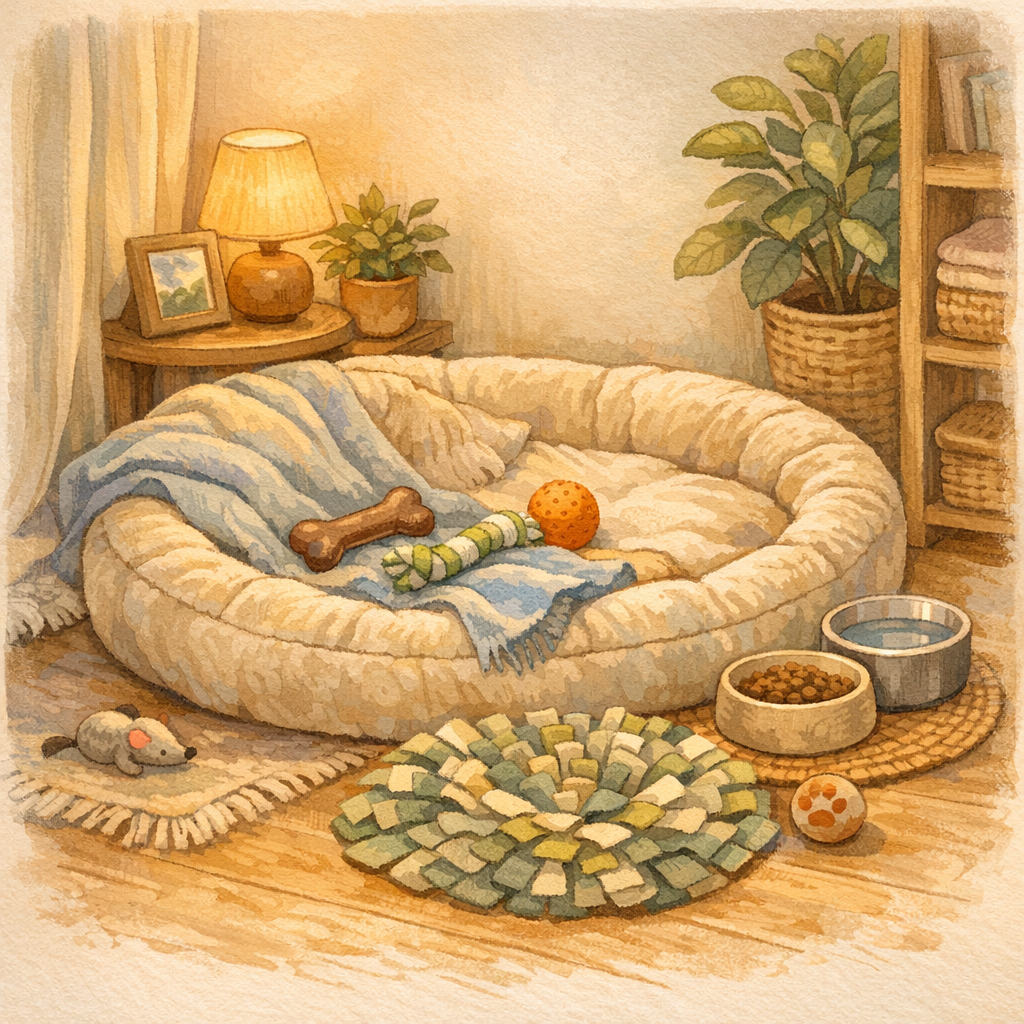
Every dog deserves a space that is exclusively theirs—a sanctuary where they can retreat when the world feels like a bit too much. For many, this is a crate covered with a blanket, or a specific quiet corner in the house equipped with a comfortable bed. Ensuring this space remains undisturbed by children or other pets is crucial. When your dog chooses to retreat to their safe haven, honor that choice. It is a vital part of their self-regulation process.
The Pawsitive Hoomans Take
At Pawsitive Hoomans, our philosophy is simple: prioritize the emotional well-being of the animal before asking for behavioral compliance. We see far too many pets being managed through rigid control, whereas the true key to peace is connection and understanding. We encourage pet parents to view their dog’s anxiety as a communication signal. Are they asking for more exercise? More predictability? More quality time?
While many turn to over-the-counter calming supplements or pheromone diffusers, it is important to understand that these are merely tools in a much larger toolkit. They work best when combined with an empathetic, force-free approach to daily life. Always do your research on ingredients in natural supplements and never introduce anything new without speaking to your vet, as even ‘natural’ products can interact with existing health conditions or medications.
Consistency and Routine
Dogs are creatures of habit. A predictable routine provides a sense of security that is invaluable for an anxious dog. Try to keep feeding times, walk schedules, and bedtime routines as consistent as possible. This predictability reduces the number of ‘unknowns’ in a dog’s day, allowing them to feel more grounded. Even small changes, like moving the furniture or changing a work schedule, can trigger anxiety in sensitive dogs, so if you are planning a change, consider how to introduce it gradually to minimize the impact on your pet.
When to Seek Professional Guidance
While we love supporting pet parents with enrichment and training advice, we must emphasize that severe anxiety—such as separation anxiety that leads to self-injury or extreme phobias—requires a multi-modal approach. This may involve a veterinary behaviorist or a certified professional trainer who specializes in fear-based behaviors. Do not feel that you have to struggle alone. Seeking help early can prevent a small issue from becoming a lifelong struggle for your companion.
Ultimately, your role as an advocate for your pet is the most important factor in their recovery. By being patient, kind, and observant, you can build a bridge of trust that helps your dog feel safe, supported, and loved, regardless of their fears. Remember that progress is rarely a straight line; there will be good days and challenging days. Celebrate the small victories and keep focusing on building that beautiful, trusting relationship with your best friend.
Not sure what your pet needs? Use our free tools — Emergency Triage Guide or Custom Diet Calculator.
Disclaimer: The information provided on Pawsitive Hoomans is for educational and informational purposes only. We are not veterinarians. Always consult with a qualified veterinarian before making any changes to your pet’s healthcare, diet, or supplement regimen, especially if your pet is currently showing signs of illness or stress. Never ignore professional veterinary advice or delay seeking it because of something you have read here.