
Understanding the Needs of Our Street Dogs
As the mercury drops across various parts of India, our community street dogs face a challenging reality. While many believe that Indian dogs are naturally equipped for all weather, the reality is that extreme cold—especially during late-night and early-morning hours—can significantly impact their health and wellbeing. At Pawsitive Hoomans, we believe that providing a winter shelter for street dogs in India is a powerful way to show empathy and foster safer neighborhoods. For more tips on looking after your local canine friends, head over to our dog hub to learn about year-round care.
It is important to remember that these resilient animals often seek warmth near vehicle engines or in exposed alleyways, both of which pose significant safety risks. By proactively creating designated spaces, we not only protect them from the biting wind but also prevent accidents and health issues that can arise from prolonged exposure to cold weather. Research shows that simple interventions can make a massive difference in the survival and comfort of these dogs during the winter months.
The Importance of Dry and Insulated Bedding
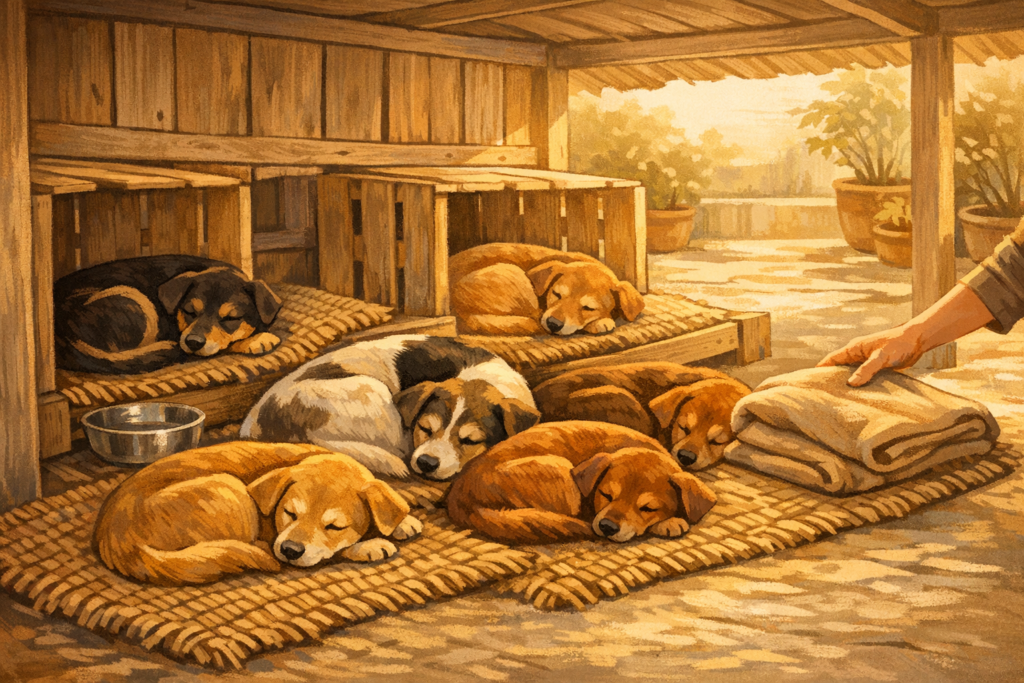
When setting up a shelter, the priority is to keep the dog dry and off the cold ground. Concrete and tiled floors absorb body heat rapidly, leading to hypothermia in vulnerable puppies or senior dogs. Instead of using thin cloths that easily become damp from the dew or rain, consider using materials that provide insulation. Old carpets, thick jute mats, or even layered cardboard boxes can act as effective barriers against the cold floor. If possible, elevate the bedding slightly using wooden pallets to keep it away from ground moisture.
Remember that if a shelter gets wet, it becomes counterproductive as it can trap cold moisture against the dog’s skin. Ensure that your shelter setup is placed in an area that is naturally protected from the wind and heavy rainfall. At Pawsitive Hoomans, we encourage community involvement; talk to your neighbors or local shopkeepers to find a mutually agreeable spot where these dogs can sleep undisturbed at night.
DIY Winter Shelter Designs
You don’t need expensive structures to provide a warm sanctuary. Many Indian neighborhoods have covered areas like parking garages, porch corners, or protected building recesses that are perfect for this. If you are building a small structure, use old wooden crates or sturdy plastic bins lined with warm, dry blankets. The size of the shelter should be just large enough for the dog to stand up and turn around; this allows their own body heat to warm the enclosed space effectively.
Always ensure the shelter has a clear entry and exit point so the dog does not feel trapped, which can increase their stress levels. If you decide to add covers, make sure the materials are non-toxic and do not pose a choking hazard if the dog decides to chew on them. For an exact understanding of your dog’s caloric needs during winter, as they may burn more energy to stay warm, use the free Dog Diet Calculator at pawsitivehoomans.com/dog-diet/.
The Pawsitive Hoomans Take
At Pawsitive Hoomans, we view every community dog as an extension of our extended family. Our philosophy is rooted in positive reinforcement and community-led compassionate action. When you create a shelter, you aren’t just building a structure; you are building trust between humans and street animals. This trust is the foundation for successful vaccination and sterilization programs in the long run. We advocate for a force-free approach to neighborhood integration, ensuring that these animals remain happy, healthy, and part of the local ecosystem without being viewed as a nuisance.
🐾 Keep a complete health record for your pet with our free Pet Passport. Track vaccinations, weight and behaviour in one place.
Engaging the Community Responsibly
Creating a shelter is most effective when it is a community-wide effort. Start by speaking to your Resident Welfare Association (RWA) or neighbors to explain why these shelters are necessary. Emphasize that a warm, content dog is usually a quiet, well-behaved dog. By keeping them comfortable in one spot, you prevent them from roaming excessively at night in search of warmth. Always maintain the cleanliness of the shelter area to ensure it remains hygienic for everyone.
Not sure what your pet needs? Use our free tools — Emergency Triage Guide or Custom Diet Calculator.
If you notice a dog that seems consistently lethargic, shivering excessively, or losing weight despite being fed, it is vital to consult with a qualified veterinarian. Sometimes, shelter alone is not enough if there is an underlying health issue that needs professional medical intervention. Keep a digital log of the local dogs you care for using our Pet Passport tool, which allows you to track their health trends and vaccination status effectively.
Frequently Asked Questions
Is it okay to put old sweaters on street dogs during winter?
Yes, you can put sweaters on street dogs, but only if the dogs are comfortable and the sweaters are removed regularly to check for skin infections. Many street dogs may find sweaters restrictive or frightening, so ensure the fit is loose enough for them to move comfortably. Only use cotton or wool blends that can be easily washed, and avoid putting them on dogs that are already stressed or aggressive, as it may be difficult to remove them later.
What is the best material for a makeshift dog bed in India?
Old jute sacks stuffed with dry hay or clean, discarded cardboard are the best materials for street dog beds because they provide excellent insulation and are easy to replace. Avoid using foam or soft cushions that may get soggy from humidity or rain, as they can harbor mold and parasites. Always ensure the bedding is kept dry, as a damp bed is more dangerous than no bed at all.
How can I keep the neighborhood street dogs safe in winter?
Aside from providing warm, dry sleeping areas, you can keep street dogs safe by ensuring they are vaccinated, fed high-quality, warming meals, and monitored for any signs of illness. Discourage children and others from disturbing them while they are sleeping, as startled dogs may react out of fear. Regularly check the areas they frequent to ensure no hazardous materials or stagnant water sources are nearby.
Disclaimer: The content provided by Pawsitive Hoomans is for educational purposes only and is not a substitute for professional veterinary advice, diagnosis, or treatment. Always consult with a qualified veterinarian regarding any medical concerns or decisions about the health and care of your pet or community animals.