
Understanding the Core of Positive Reinforcement Dog Training
At Pawsitive Hoomans, we believe that the bond between a dog and their human is sacred. One of the most effective ways to nurture this connection is through positive reinforcement dog training. This approach shifts the focus from punishing undesirable behaviors to rewarding the actions we want to see repeated. By focusing on what your dog gets right, you create a learning environment built on trust, safety, and mutual respect rather than fear or intimidation.
Many pet parents are surprised to learn that positive reinforcement is not just about giving treats; it is a scientifically backed methodology centered on operant conditioning. When a dog performs a behavior that is followed by a positive consequence—such as a delicious treat, a favorite toy, or a burst of verbal praise—that behavior is strengthened. Over time, your pup realizes that ‘good choices’ pay off, leading to a confident, well-behaved companion.
Why Force-Free Methods Matter
As pet parents, we are our dogs’ advocates. When we choose force-free training, we are prioritizing our pet’s mental well-being. Research shows that training methods relying on intimidation, dominance, or physical punishment can lead to increased anxiety, leash reactivity, and, in some cases, the suppression of warning signs like growling, which can inadvertently lead to more dangerous behavioral issues down the road. By choosing force-free training, you are ensuring that your home remains a sanctuary where your dog feels safe to express themselves and learn without apprehension.
The Pawsitive Hoomans Take
At Pawsitive Hoomans, our philosophy is simple: training should be the best part of your dog’s day. We often see people struggle because they view training as a “chore” or a list of commands to master. We encourage you to reframe this mindset. Training is a language. It is how you tell your dog, “I see you, I value you, and here is how we can coexist happily in this human-designed world.” Whether you are teaching a rescue dog to walk on a leash or helping a puppy navigate crate training, the principles remain the same: clarity, consistency, and kindness.
We strictly advocate against any form of training that involves pain, fear, or startle responses. You do not need prong collars, shock collars, or any “correction-based” tools to have a well-mannered dog. In fact, the most successful dogs are those who have a strong foundation built on a “yes-based” system. When you say “yes” to the good, the “no” becomes almost irrelevant because your dog is too busy earning rewards for being a superstar.
Setting Up Your Training Toolkit
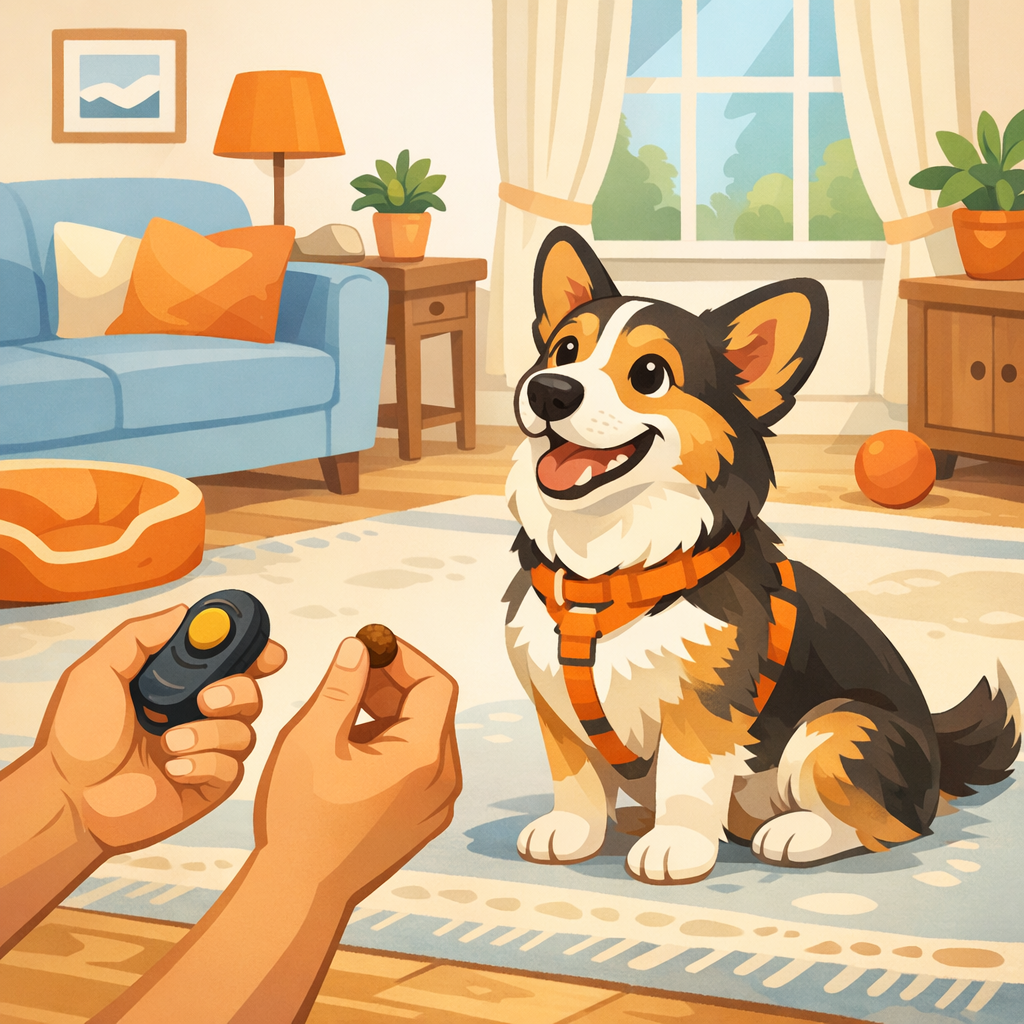
To begin your journey with positive reinforcement dog training, you need the right tools. Skip the heavy-duty hardware and focus on items that motivate your pet. High-value treats (think tiny pieces of real chicken or liver), a variety of durable toys, and a clicker or a consistent “marker word” like “Yes!” are essential. A marker word is crucial because it bridges the gap between the behavior and the reward, telling the dog exactly which action earned them the prize.
Breaking Down Complex Behaviors
One common pitfall is expecting too much too soon. Veterinary experts recommend a process called “shaping” or “capturing.” If you are teaching a behavior like “stay,” don’t expect five minutes on the first day. Start by rewarding them for staying for one second. Then two. Then five. By breaking a goal into tiny, achievable steps, you eliminate frustration and keep your dog motivated to keep trying. If your dog gets confused, move back a step and simplify the criteria. Success builds confidence, and confidence builds reliability.
Managing Expectations and Patience
It is important to remember that every dog is an individual. Some are naturally eager to please, while others may be more independent or fearful. As pet parents, our role is to act as facilitators of their success. If you find your dog struggling with a specific behavior, avoid the urge to blame the dog. Instead, look at the environment. Is there too much distraction? Are the treats not high-value enough? Is the session too long? Usually, the issue is not that the dog is “stubborn” or “disobedient,” but that the criteria for success hasn’t been made clear enough.
Consistency is key. If you are teaching the “leave it” command, everyone in your household must use the same word and the same criteria. If one person allows the dog to jump up and another doesn’t, you are creating confusion. When the whole family is on the same page, your dog will learn significantly faster.
When to Seek Professional Help
While positive reinforcement can address the vast majority of behavioral issues, there are times when you should bring in an expert. If your dog exhibits signs of extreme aggression, severe separation anxiety, or sudden changes in behavior, it is vital to consult your veterinarian first. Physical discomfort is often at the root of behavioral problems. Once a veterinary professional has cleared your pet of any medical conditions, we highly recommend working with a certified professional dog trainer (CPDT-KA) or a board-certified veterinary behaviorist who specializes in force-free, science-based methods.
At Pawsitive Hoomans, we celebrate the unique path every rescue and adopted dog takes. Whether you have had your dog for years or they are a new addition to your family, it is never too late to start a positive reinforcement journey. The time you spend training is an investment in a lifelong, loving relationship. Remember, the goal isn’t a robot that follows orders; the goal is a joyful, relaxed companion who feels comfortable navigating the world by your side.
Not sure what your pet needs? Use our free tools — Emergency Triage Guide or Custom Diet Calculator.
Disclaimer: The information provided on Pawsitive Hoomans is for educational purposes only and does not substitute professional veterinary advice, diagnosis, or treatment. Always seek the advice of your veterinarian or another qualified health provider with any questions you may have regarding a medical condition or behavioral concerns. Never disregard professional veterinary advice or delay in seeking it because of something you have read here.