
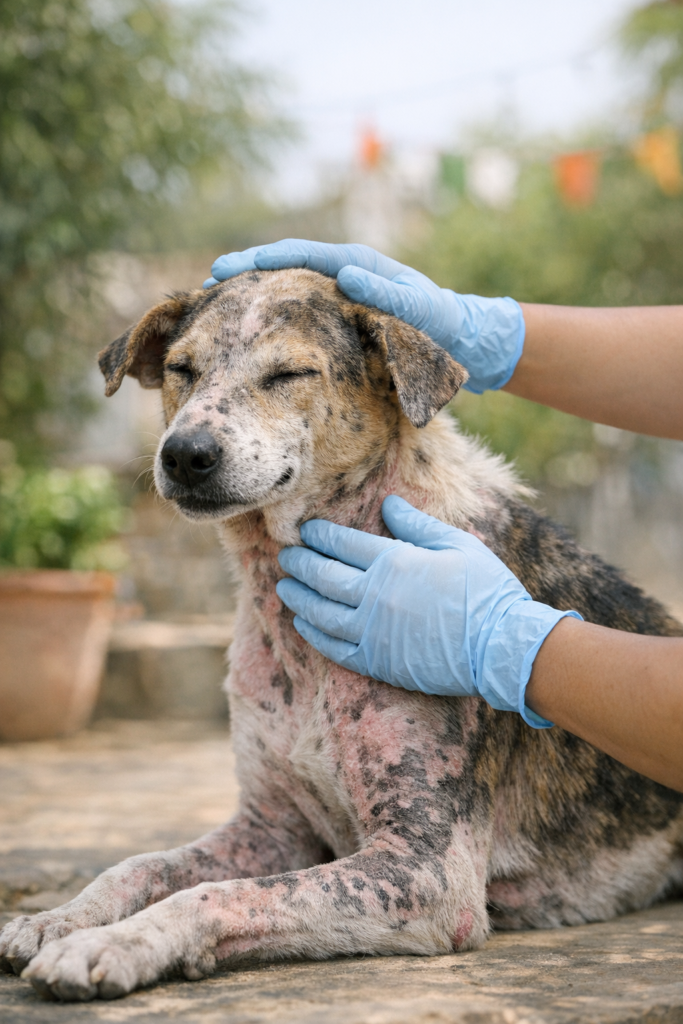
Understanding and Addressing Street Dog Skin Infection
As dedicated animal lovers, seeing a pup suffer from a painful street dog skin infection is heart-wrenching. Whether you are caring for a community dog or have recently rescued one, managing skin issues is a common challenge for many Indian pet parents. Proper care starts with understanding that skin health is often a reflection of internal wellness, and for many street dogs, their journey to recovery begins at our comprehensive dog care hub where we focus on holistic well-being. By recognizing the signs early, we can prevent minor irritations from turning into severe medical emergencies.
Common skin infections in street dogs often stem from a combination of parasites, environmental stressors, and compromised immune systems. In India’s tropical climate, humidity and heat create the perfect breeding ground for fungal and bacterial growth. When we talk about “skin infections,” we are often referring to conditions like mange, bacterial pyoderma, or yeast infections. As pet parents, it is important to remember that while we can provide supportive care, medical diagnosis must always come from a licensed veterinarian.
Identifying the Signs of Skin Trouble
Recognizing a street dog skin infection early is the single most important factor in a quick recovery. Look for patchy hair loss, which can often be circular (suggestive of ringworm) or widespread (suggestive of mange). Other red flags include excessive scratching, biting at the paws, a “musty” or foul odor coming from the skin, and visible redness or inflammation. Sometimes, the skin may appear crusty or develop oozing sores, which are clear indicators that the pup is in significant discomfort and requires professional intervention.
Beyond physical signs, observe their behavior. A dog with a skin infection might become lethargic, lose their appetite, or become irritable because the itching is constant and exhausting. Research shows that secondary infections are common; a dog might start with a minor allergy but, through constant scratching, introduces bacteria into the skin barrier, leading to a much more difficult-to-treat situation.
The Pawsitive Hoomans Take
At Pawsitive Hoomans, we believe that every street dog deserves to live a life free from the constant agony of skin disease. We advocate for a compassionate approach that prioritizes comfort and long-term health. We firmly believe in positive reinforcement and force-free handling when managing these dogs. If you are trying to help a fearful street dog, never use coercion. Instead, create a safe, calm environment. If the dog is aggressive due to pain, do not attempt to handle them alone—consult with local rescue groups who have the experience and tools to capture and treat dogs safely.
🏥 Is your pet showing these symptoms? Log them instantly in our free Triage Engine inside Pet Passport to get immediate guidance.
Supporting Recovery Through Hygiene and Nutrition
While a veterinarian will provide the necessary medication, as caregivers, we play a massive role in the “supportive care” phase. A clean environment and a balanced diet are non-negotiable. For many street dogs, a lack of essential fatty acids like Omega-3 can make their skin more susceptible to infection. Adding high-quality protein and healthy fats to their diet can significantly improve their skin barrier. If you are unsure about the specific nutrient requirements for a dog recovering from a long-term infection, you can utilize our tools to ensure they are getting the right foundation for healing. For an exact daily portion tailored to your dog’s weight, use the free Dog Diet Calculator at pawsitivehoomans.com/dog-diet/.
Hygiene is equally vital. Medicated baths, as prescribed by a vet, help remove crusts, reduce bacterial load, and soothe inflamed skin. However, be extremely gentle. Use lukewarm water and ensure the dog is thoroughly dried afterward, as damp fur and skin can encourage yeast and bacterial overgrowth. Always avoid human shampoos or harsh chemicals, which can strip the dog’s natural protective oils and worsen the infection.
The Role of Parasite Control
In India, ticks and fleas are year-round culprits that can exacerbate any street dog skin infection. These parasites don’t just suck blood; they cause allergic dermatitis and transmit blood-borne diseases that suppress the dog’s immune system, making it impossible for their skin to heal. Regular, safe de-ticking and deworming (following a veterinarian’s advice) are essential. When treating a street dog, consider long-acting preventative measures, as frequent re-application might not be possible in a community setting.
Not sure what your pet needs? Use our free tools — Emergency Triage Guide or Custom Diet Calculator.
Finally, track your progress. Consistency is key when dealing with chronic skin conditions. Keeping a record of what treatments were used and how the skin looked on a particular date helps your veterinarian make better adjustments. You can keep all your notes and history in one place using our Pet Passport to ensure you never miss a dose or a check-up.
Frequently Asked Questions
Can I use coconut oil on a street dog’s skin infection?
No, you should not apply coconut oil to an infected area until a veterinarian has ruled out a fungal or bacterial infection. While coconut oil is often touted as a natural remedy, applying it to an existing infection can trap moisture and heat against the skin, potentially causing the infection to spread or worsen significantly.
How long does it take for a skin infection to heal in a street dog?
A typical skin infection in a street dog takes between four to eight weeks to show significant improvement, depending on the severity and the underlying cause. Because street dogs often have weakened immune systems and may not receive consistent medication, recovery is rarely an overnight process and requires steady, long-term care.
Should I wash a stray dog if they have a skin infection?
Yes, you should wash a stray dog with a skin infection only if your veterinarian has recommended a specific medicated shampoo and provided instructions on how often to bathe them. Improper bathing can cause more harm than good, so always follow the professional protocol regarding water temperature, drying techniques, and product choice.
Disclaimer: We are passionate pet care advocates, not veterinarians. The information provided here is for educational purposes and should not replace professional medical advice. Always consult with a qualified veterinarian before starting any treatment for your pet’s skin conditions.