
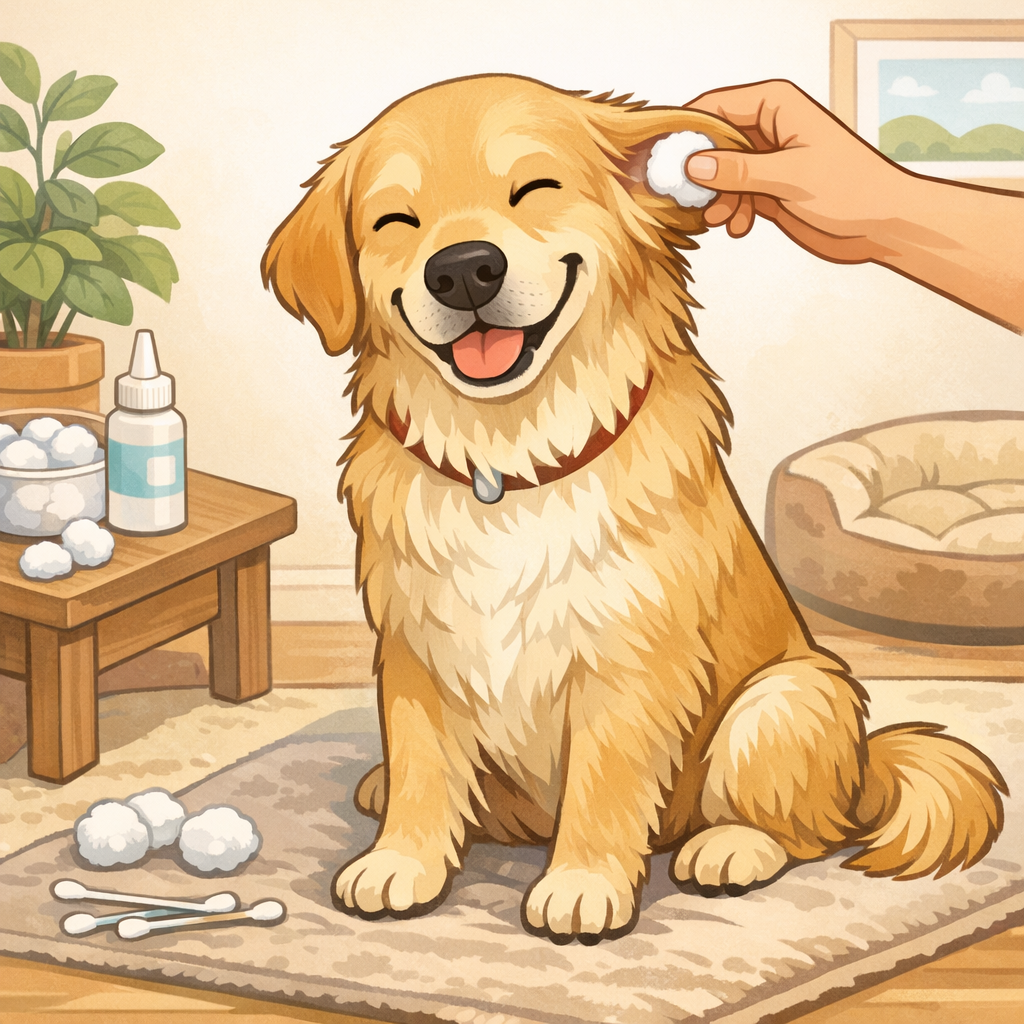
Understanding Your Dog’s Ear Health
As pet parents, one of the most essential grooming routines we must master is dog ear cleaning at home. Our canine companions, especially those with floppy ears or those who love to swim in our local ponds, are prone to moisture accumulation and wax buildup. Keeping those ears clean is a fundamental part of maintaining your pup’s overall well-being. If you are just starting your journey as a new pet parent, it is highly recommended to explore our dog care resources to understand the various aspects of canine grooming and maintenance.
It is important to remember that dog ears are L-shaped, unlike human ears, which go straight in. This anatomical quirk means that debris, moisture, and wax can easily get trapped in the horizontal canal, creating a breeding ground for bacteria or yeast. Routine inspections are the best defense against discomfort. By checking your dog’s ears once a week, you can catch subtle changes before they become painful infections that require a trip to the clinic.
Signs Your Dog Needs an Ear Cleaning
Before you jump into the cleaning process, take a moment to assess the state of your dog’s ears. A healthy ear should be light pink, odorless, and relatively free of debris. If you notice a pungent or ‘yeasty’ smell, redness, swelling, or your dog is constantly shaking their head or scratching at their ears, they likely need attention. However, if the discharge is dark, black (often described as resembling coffee grounds), or if your dog whines when you touch their ears, do not attempt to clean them yourself. These are often signs of an active infection or mites, and these conditions require a professional diagnosis.
The Pawsitive Hoomans Take
At Pawsitive Hoomans, we believe that grooming should be a bonding experience, not a wrestling match. We advocate strictly for force-free, positive reinforcement methods. If your dog is anxious, never force the process. Start by getting them comfortable with having their ears touched using plenty of high-value treats. Keep your sessions short—no more than a few minutes—and always end on a high note. We find that pairing the grooming session with a favorite activity, like a post-grooming walk or a gentle massage, helps build positive associations over time.
🐾 Keep a complete health record for your pet with our free Pet Passport. Track vaccinations, weight and behaviour in one place.
Essential Supplies for Cleaning
You don’t need a medical kit to keep your dog’s ears clean, but having the right tools makes a huge difference. You will need:
- A veterinarian-approved, alcohol-free ear cleaning solution. Avoid using homemade vinegar solutions or hydrogen peroxide, as these can be irritating or drying to sensitive ear tissue.
- Clean cotton balls or soft gauze pads. Never use Q-tips or cotton swabs inside the ear canal, as they can push debris deeper or damage the eardrum.
- A handful of high-value treats to reward your dog throughout the process.
- A calm environment where your dog feels secure.
Step-by-Step Cleaning Process
1. Preparation: Have all your supplies within arm’s reach. Let your dog sniff the bottle of cleaning solution so they aren’t surprised.
2. Application: Gently lift the ear flap. Squeeze a generous amount of the cleaning solution into the ear canal, being careful not to touch the tip of the bottle to the ear itself to prevent contamination.
3. Massage: This is the most crucial step. Massage the base of the ear (the firm, cartilaginous part) gently for 20 to 30 seconds. You should hear a ‘squishing’ sound. This action helps break up the wax and debris.
4. The ‘Shake’: Let go of your dog’s ears and let them shake their head. This motion naturally brings loosened debris up and out of the canal.
5. Wipe: Use a cotton ball or soft gauze to gently wipe the visible part of the ear flap and the entrance to the canal. Do not dig deep. If you see more dirt, you can repeat the process, but don’t over-clean, as this can irritate the delicate skin.
Not sure what your pet needs? Use our free tools — Emergency Triage Guide or Custom Diet Calculator.
When to Seek Professional Help
While home grooming is great, it is not a substitute for veterinary care. If you notice persistent redness, thick discharge, or if your dog seems to be in pain, you must visit a local clinic. Always document these recurring issues in your Pet Passport to help your vet identify patterns in your dog’s health history.
Frequently Asked Questions
Can I use oil to clean my dog’s ears at home?
No, you should never use oils or household products like vinegar or hydrogen peroxide in your dog’s ears unless specifically directed by a veterinarian. Oils can create a sticky residue that traps more dirt and moisture, while harsh household chemicals can severely irritate the sensitive lining of the ear canal and lead to inflammation or secondary infections.
How often should I clean my dog’s ears?
Most dogs only require ear cleaning once every two to four weeks, depending on their breed and activity level. If your dog has pendulous, floppy ears like a Cocker Spaniel or Labrador, they may need more frequent inspections compared to breeds with upright ears, but always avoid over-cleaning, as the ear canal needs its natural flora to stay healthy.
My dog hates having their ears touched, what should I do?
You should focus on desensitization by using a ‘lick mat’ or small pieces of high-value treats to create a positive association with having their ears handled. Start by just touching the ears and giving a treat, then slowly progress to opening the ear flap, and finally introducing the cleaning solution only when your dog is completely relaxed and comfortable with the previous steps.
Disclaimer: The information provided by Pawsitive Hoomans is for educational purposes only and does not constitute veterinary or medical advice. Always consult with a qualified veterinarian regarding the health, hygiene, or medical treatment of your pets. Never ignore professional veterinary advice or delay seeking it because of something you have read here.