
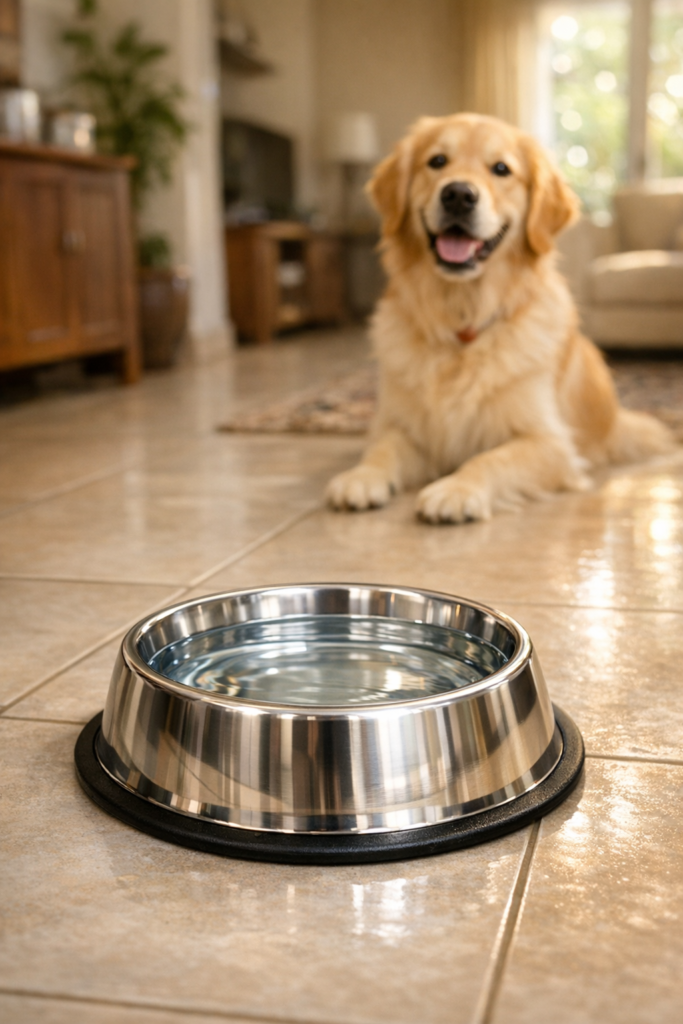
Understanding Hydration: Is Tap Water Safe for Dogs in India?
As dedicated pet parents, we often find ourselves scrutinizing every aspect of our furry friend’s life—from the quality of their kibble to the softness of their bedding. However, one of the most overlooked components of pet care is the very thing they drink daily: water. Many pet owners frequently ask, is tap water safe for dogs in India? The answer isn’t a simple yes or no, as it depends heavily on your local infrastructure and the quality of the water supply in your specific neighborhood. When navigating these questions, it is always helpful to stay informed through our comprehensive dog-hub to ensure you are providing the best environment for your companion.
In India, municipal water quality can vary drastically between cities like Bengaluru, Mumbai, and Delhi, and even between different housing societies within the same locality. While most municipal water is treated to be potable for human consumption, the journey from the filtration plant to your tap often involves aging pipes, rusted plumbing, and storage tanks that may not be cleaned as frequently as they should. These factors can introduce contaminants that, while potentially harmless to an adult human with a robust immune system, might pose a different set of challenges for our canine companions.
The Hidden Contaminants in Household Plumbing
When we discuss water safety, we are looking at two primary categories: chemical additives and physical contaminants. To keep municipal water supplies free of bacteria, water boards often use chlorine or chloramine. While these substances are essential for public health, they can sometimes cause mild gastrointestinal upset in sensitive dogs or contribute to skin irritation. If you notice your dog has a sensitive stomach after drinking from the bowl, the residual chlorine might be a contributing factor.
More concerning, however, are the contaminants that enter the water *after* it leaves the treatment facility. Lead from old pipes, heavy metals, and sediment buildup in rooftop storage tanks are common issues in many older Indian buildings. Furthermore, if your building uses a borewell, the mineral content—often referred to as ‘hard water’—can be extremely high. While hard water isn’t necessarily toxic, it can lead to urinary tract issues over time if a dog is prone to bladder stones or crystals.
The Pawsitive Hoomans Take
At Pawsitive Hoomans, we believe that the best approach to hydration is one defined by caution and clarity. While it might be tempting to assume that “if it’s safe for me, it’s safe for my dog,” our pets don’t always share our biological resilience. We advocate for a multi-layered approach to water safety that prioritizes the health of your dog’s digestive and renal systems. As pet parents, we recommend avoiding direct tap water consumption if your area has known issues with water hardness, frequent pipe repairs, or if the water has a noticeable odor or taste.
The gold standard is to provide your dog with the same water that you drink. If you use an RO (Reverse Osmosis) purifier for your own household needs, your dog should be drinking that filtered water as well. RO filtration effectively removes the vast majority of heavy metals, chlorine, and sediment that could otherwise bother your pet. For an exact daily portion of hydration and nutrition tailored to your dog’s specific needs, use the free Dog Diet Calculator at pawsitivehoomans.com/dog-diet/.
⚖️ Track your pet’s weight and diet using our free Pet Passport Dashboard. Monitor trends before they become emergencies.
Practical Steps for Safer Hydration
You don’t need to overcomplicate your dog’s water routine, but a few consistent habits can make a world of difference:
- Wash Bowls Daily: Bacteria love biofilms that form in stagnant water bowls. Scrub your dog’s bowl daily with mild, pet-safe soap and hot water.
- Monitor the Source: If you rely on a water tanker service, be aware that these sources can be inconsistent in quality. Using an extra layer of filtration for these supplies is highly recommended.
- Temperature Matters: During the sweltering Indian summers, keep the water fresh and cool, but avoid adding ice cubes if your dog tends to gulp water quickly, as this can sometimes lead to bloat or digestive discomfort.
- Observe Behavior: If your dog suddenly refuses to drink water, or if you notice frequent vomiting or diarrhea, investigate the water source immediately.
Always remember that changes in drinking habits—whether drinking too much or too little—can be an early indicator of underlying health issues. If you observe these changes, please consult your veterinarian to rule out conditions like kidney disease or diabetes. Keeping a detailed history of your pet’s health, including their diet and hydration patterns, is essential for every pet parent; you can start by tracking this info in your Pet Passport to make your next vet visit more productive.
Not sure what your pet needs? Use our free tools — Emergency Triage Guide or Custom Diet Calculator.
Frequently Asked Questions
Can I give my dog regular tap water in India?
Yes, you can give your dog tap water if it is municipal-supplied and you are confident in your building’s plumbing, but filtered RO water is significantly safer for your pet’s long-term health. Because older buildings in India often have aging pipes or storage tanks that harbor sediment and bacteria, using filtered water removes the risk of heavy metals and chlorine-induced stomach sensitivities.
How do I know if the water in my area is bad for my dog?
If your tap water has a cloudy appearance, a strong smell of chlorine, or an metallic taste, it is likely not suitable for your dog to drink regularly. You can also contact your local municipal water board to inquire about water quality testing reports in your area, or observe if your dog develops recurrent digestive issues like loose stools after drinking tap water.
Does boiling tap water make it safe for dogs?
Boiling tap water is an effective way to kill harmful bacteria and protozoa, but it does not remove heavy metals, sediment, or chemical additives like chlorine. If your main concern is water hardness or potential pipe contaminants in an older Indian apartment, boiling alone may not be sufficient, and using an RO or carbon-filtered system is the preferred solution.
Disclaimer: We are passionate pet care advocates, not veterinarians. The information provided here is for educational purposes only and should not replace professional medical advice. Always consult with a qualified veterinarian regarding your dog’s specific health concerns, diet, or medical conditions before making significant changes to their care routine.