
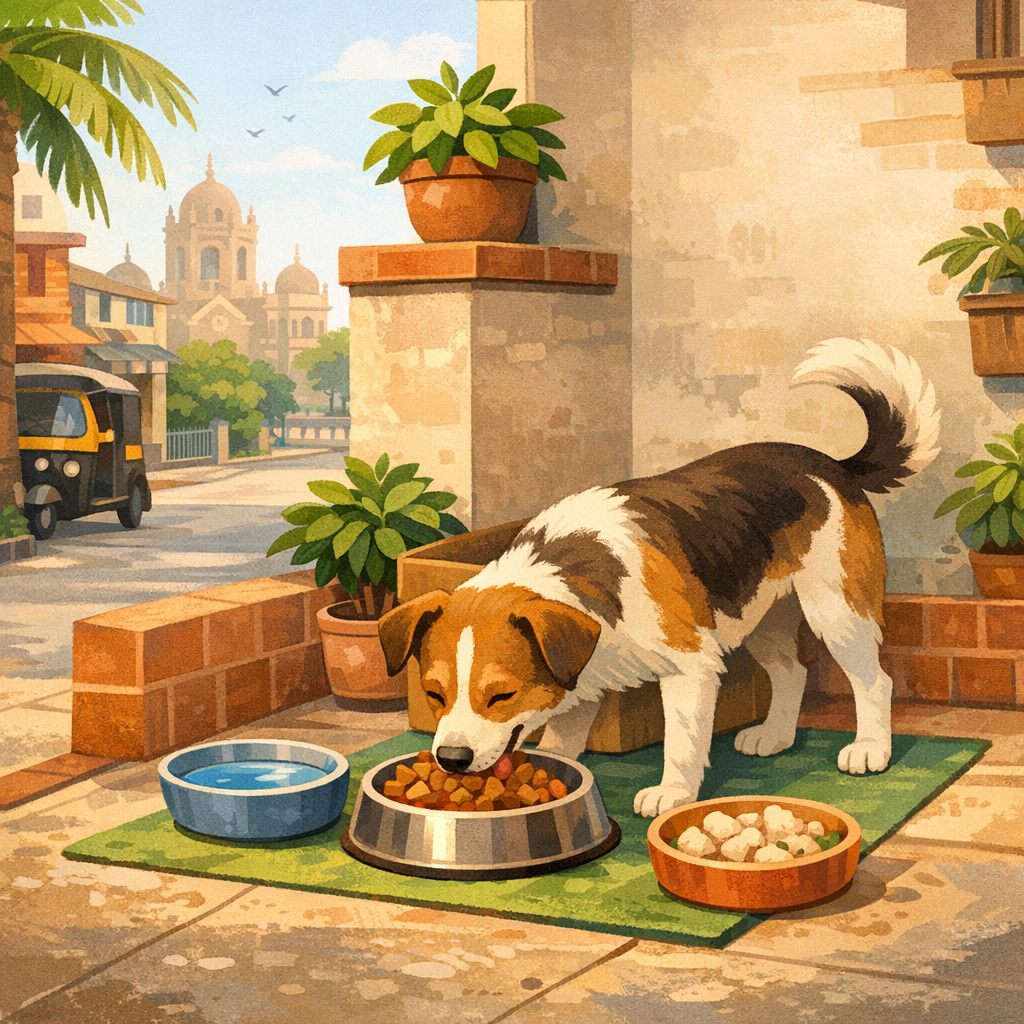
Understanding Street Dog Feeding Rules Mumbai: A Guide for Community Harmony
Living in a bustling metropolis like Mumbai, our community dogs—often affectionately called ‘Indies’—are an integral part of our neighborhoods. As pet parents who care deeply about animal welfare, many of us feel a strong calling to provide nourishment to these resilient animals. However, navigating the street dog feeding rules Mumbai requires a balance of empathy, knowledge of local regulations, and consideration for our fellow residents. At Pawsitive Hoomans, we believe that providing care to community animals is a noble act, and for those who share their homes with pups, our comprehensive dog hub serves as the perfect resource for holistic care and ethical guidance.
Feeding street dogs in a city as dense as Mumbai is not just about placing food on a plate; it is about creating a sustainable, conflict-free environment for both the humans and the animals. When done correctly, feeding programs can help keep dogs in their designated territories, reduce territorial aggression, and provide a golden opportunity to monitor the health and vaccination status of the community pack.
The Legal and Social Landscape of Feeding
It is a common misconception that there is a complete ban on feeding community dogs. In India, animal welfare laws protect the right of compassionate citizens to feed community animals. However, the Animal Welfare Board of India (AWBI) and various High Court orders suggest that this should be done in a way that does not cause a public nuisance. This means choosing a fixed, secluded spot—away from children’s play areas, building entrances, or high-traffic walkways—to serve food. By being consistent with the location and the time, you prevent the dogs from wandering into busy streets to find you, thereby keeping them safe from traffic accidents.
Nutrition and Ethical Sourcing
When providing food, the goal should be health and sustainability. Many well-meaning people feed leftovers like oily, spicy, or onion/garlic-heavy meals, which are actually harmful to canine digestion. Instead, focus on a balanced approach. Plain boiled rice with high-quality protein (like boiled eggs, chicken liver, or soy chunks) is excellent. Always ensure there is plenty of clean, fresh water available, especially during the sweltering Mumbai summers. If you are struggling to manage daily portions, for an exact daily portion tailored to your dog’s weight, use the free Dog Diet Calculator at pawsitivehoomans.com/dog-diet/.
The Pawsitive Hoomans Take
At Pawsitive Hoomans, we advocate for ‘Feed and Fix.’ Simply providing calories isn’t enough to solve the long-term challenges faced by our street dogs. The most effective way to help the community is to ensure the dogs you feed are spayed or neutered and vaccinated against rabies. This stabilizes the population and reduces the risk of disease transmission. We encourage you to partner with local NGOs or municipal authorities to ensure these dogs receive their routine vaccinations. When we combine feeding with responsible stewardship, we create a model of coexistence that serves as a blueprint for the rest of the city.
🐾 Keep a complete health record for your pet with our free Pet Passport. Track vaccinations, weight and behaviour in one place.
Practical Tips for Mumbai Feeders
If you are planning to start a feeding routine, communicate with your housing society or neighbors. Transparency often reduces friction. Explain that feeding at a designated spot actually keeps the area cleaner because you are there to collect the leftovers immediately after the dogs are finished. Never leave plates or food debris lying around, as this attracts pests and causes hygiene concerns, which often lead to the banning of feeding spots by society committees.
Not sure what your pet needs? Use our free tools — Emergency Triage Guide or Custom Diet Calculator.
Conclusion
Being a voice for the voiceless is a privilege, and in a city as vibrant as Mumbai, our actions define how our society treats its most vulnerable members. By following the street dog feeding rules with mindfulness and consistency, you aren’t just filling a belly—you are building a bridge of kindness between humanity and nature. Remember, your individual efforts are a vital part of their survival. For long-term monitoring of the dogs in your area, documenting their health and vaccination history in our Pet Passport can help you stay organized and ensure no dog gets left behind in their medical needs.
Frequently Asked Questions
Can housing societies in Mumbai completely ban me from feeding street dogs?
No, housing societies cannot issue a blanket ban on feeding community dogs, as per various High Court and AWBI guidelines which protect the rights of animal caregivers. However, societies have the right to regulate the time and place of feeding to ensure that it does not cause a public nuisance, obstruction, or hygiene issues for the residents. It is always recommended to negotiate a designated feeding spot with the society committee that is away from the main gate or children’s play areas.
What is the best food to give to street dogs in Mumbai to keep them healthy?
The best food for street dogs is a combination of plain, boiled rice mixed with a protein source like chicken liver, eggs, or soy chunks, served without onions, garlic, or excessive oil. You should avoid feeding them leftovers from Indian cooking, as the spices and seasonings can lead to significant gastrointestinal issues and skin problems. Ensure that the food is served fresh and that you remove any uneaten remnants immediately to keep the area clean.
How do I handle conflict with neighbors who don’t like me feeding the dogs?
The best way to handle conflict is to maintain a professional, calm demeanor and demonstrate that you are a responsible caregiver who follows hygiene protocols. Keep the feeding area impeccably clean, ensure the dogs you feed are spayed, neutered, and vaccinated, and offer to share their vaccination records with the society office to prove that the dogs are safe. Transparency often dissipates fear, and by showing that the dogs are healthy and well-managed, you shift the narrative from a ‘nuisance’ to a ‘managed community animal program’.
Disclaimer: Pawsitive Hoomans provides general information for pet parents and caregivers and does not offer professional medical or veterinary advice. Always consult with a qualified veterinarian regarding the health, dietary needs, or medical treatment of any animal you care for.