
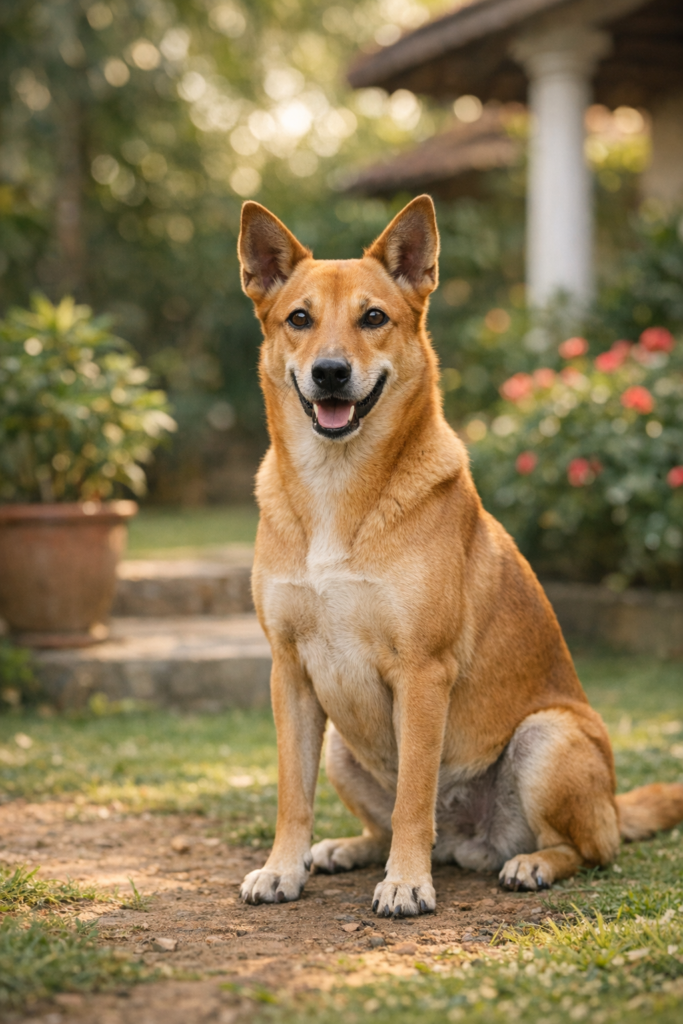
Understanding the Resilience and Spirit of Indian Dog Breeds
When we talk about the incredible diversity of our canine companions, it is impossible to overlook the charm and intelligence of Indian dog breeds. Whether you call them Indies, Pariah dogs, or simply ‘best friends,’ these dogs have adapted over centuries to thrive in our unique climate. As pet parents, we are increasingly realizing that these dogs aren’t just street-smart; they are among the most loyal, healthy, and low-maintenance companions one could ask for. If you are new to the world of canine companionship, checking out our comprehensive dog care hub is the perfect first step to understanding everything from basic nutrition to lifelong wellness.
At Pawsitive Hoomans, we advocate strongly for the adoption of these wonderful dogs. Because they have evolved naturally within the Indian landscape, they possess a genetic robustness that makes them less prone to many of the hereditary health issues common in pedigreed breeds imported from colder climates. Understanding their history, their needs, and their social nature is the key to a long, happy life together.
The Unique Physiology of Indian Pariahs
Indian dog breeds are characterized by their short, weather-resistant coats, upright or semi-erect ears, and a lean, athletic build. This physiology is nature’s answer to the heat and humidity of the Indian subcontinent. Their high energy levels reflect their past as active foragers, which means that even today, they thrive when they have mental stimulation and regular, brisk exercise. Unlike some breeds that struggle with respiratory issues due to their facial structure, our local dogs have long, functional snouts that allow for efficient breathing and temperature regulation.
Nutritional Needs for Local Breeds
One of the most common myths we encounter is that Indian dogs can ‘eat anything.’ While they are indeed resilient, they still require a balanced, species-appropriate diet to maintain their immune system and coat health. Relying solely on leftover table scraps often leads to nutritional deficiencies or obesity. Veterinary experts generally recommend a diet rich in high-quality protein, moderate fats, and complex carbohydrates. For an exact daily portion tailored to your dog’s weight, use the free Dog Diet Calculator at pawsitivehoomans.com/dog-diet/.
The Pawsitive Hoomans Take
At Pawsitive Hoomans, we believe that the best dog breed is a rescued one. Choosing to bring an Indian dog into your home is an act of kindness that rewards you tenfold. These dogs are highly social, deeply affectionate, and possess an ’emotional intelligence’ that is truly special. We do not support the breeding industry, as we believe that every home should be a second chance for a dog currently waiting in a shelter or living on the streets. When you adopt, you are not just getting a pet; you are saving a life and making space for another animal in need.
🐾 Keep a complete health record for your pet with our free Pet Passport. Track vaccinations, weight and behaviour in one place.
Positive Reinforcement Training
Because Indian dogs are incredibly intelligent and observant, they respond exceptionally well to positive reinforcement training. Avoid any form of physical correction or harsh training methods. Instead, use high-value treats, verbal praise, and play to encourage desired behaviors. Whether you are teaching them to walk on a leash or basic commands like ‘sit’ and ‘stay,’ consistency is your best friend. Remember, training is not just about control; it is about building a language of communication between you and your dog.
Socialization and Mental Enrichment
An under-stimulated dog is often an unhappy one. Indian breeds are curious and enjoy exploring. Daily walks, puzzle toys, and nose-work games can keep their minds sharp. Socialization should start early and involve gentle exposure to new people, sounds, and environments. This helps them grow into confident, well-adjusted companions who are comfortable in diverse settings.
Not sure what your pet needs? Use our free tools — Emergency Triage Guide or Custom Diet Calculator.
Conclusion: A Lifetime Commitment
Caring for an Indian breed is a rewarding journey that requires patience, love, and a commitment to their overall well-being. By focusing on preventative care, ethical sourcing, and force-free training, you ensure a vibrant life for your furry friend. Always remember that your veterinarian is your most important partner in this journey. Use our Pet Passport system to keep track of every milestone, vaccination, and health check-up, ensuring your dog stays healthy and happy for years to come.
Frequently Asked Questions
Are Indian street dogs prone to common health issues like hip dysplasia?
No, Indian street dogs are generally not prone to hip dysplasia and other common hereditary issues found in pedigreed dogs because of their diverse genetic background. Their long history of natural selection has favored dogs with sturdy, well-functioning joints and hearts. However, every dog, regardless of breed, should have a yearly physical exam to monitor for any age-related health changes.
What is the best way to train an Indie puppy?
The best way to train an Indie puppy is through positive reinforcement, using food rewards and verbal encouragement for desired behaviors. Because they are highly intelligent, they learn quickly when training is made into a fun, consistent game. Keep sessions short, usually 5 to 10 minutes, and focus on building a strong, trusting bond between you and the puppy rather than demanding immediate obedience.
Can Indian breeds survive living in small apartments?
Yes, Indian breeds can absolutely live in small apartments provided they get enough mental and physical exercise daily. While they are energetic, they are also highly adaptable and often quiet indoors if their needs for walks and play are met. Ensure they get at least two good walks a day and have access to indoor enrichment toys to keep them stimulated while you are away.
Disclaimer: Pawsitive Hoomans provides general information for educational purposes and is not a substitute for professional veterinary advice. Always consult with a qualified veterinarian regarding your pet’s health, medical conditions, or specific dietary needs. Never delay seeking professional care based on information found on this website.