
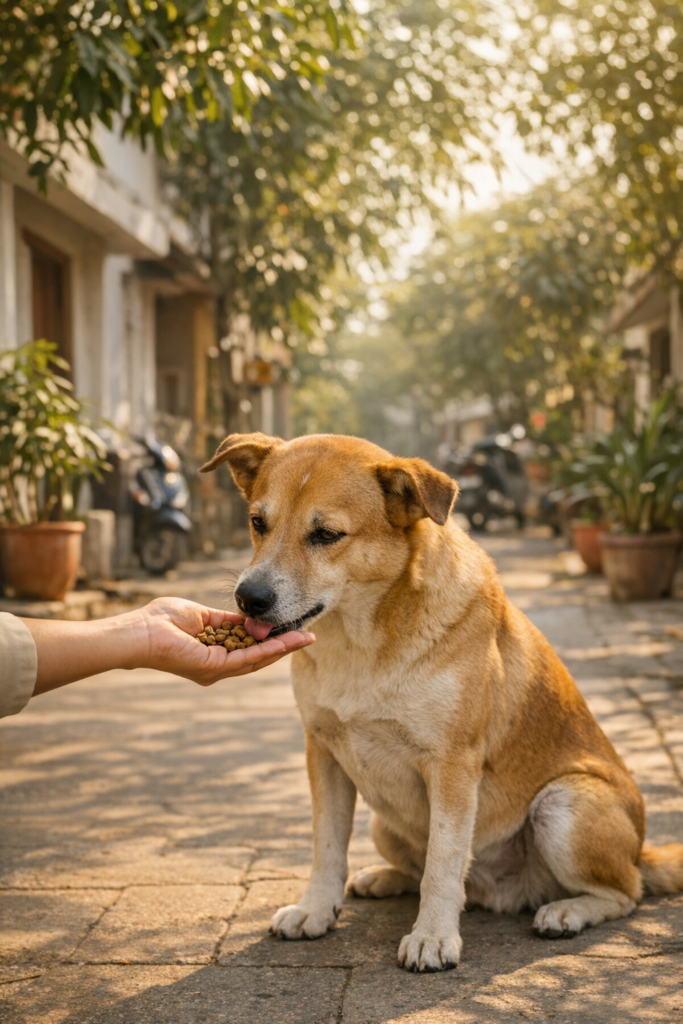
Protecting Our Four-Legged Neighbors: Your Rights as a Caretaker
In the vibrant, bustling streets of India, community dogs are more than just animals; they are the loyal, furry residents who share our neighborhoods. As pet parents who care deeply about animal welfare, we often find ourselves wanting to provide food, water, or medical care to these street-smart companions. Understanding community dog caretaker rights in India is essential for anyone looking to make a positive impact. Whether you are already part of our dog care community or are just beginning your journey as a street dog guardian, knowing the legal framework ensures you can advocate for these animals effectively and peacefully.
The legal landscape in India is surprisingly supportive of those who choose to feed and look after community dogs. The Constitution of India, under Article 51A(g), places a fundamental duty on every citizen to have compassion for living creatures. Furthermore, the Animal Birth Control (ABC) Rules and various high court judgments have reinforced that feeding community dogs is a protected activity. It is important to remember that while we advocate for these rights, we must always do so with grace, patience, and a commitment to keeping our neighborhoods harmonious for everyone.
The Pawsitive Hoomans Take
At Pawsitive Hoomans, we believe that every interaction between humans and community dogs should be rooted in kindness and non-violence. We strongly advocate for positive reinforcement and force-free methods. When you step into the role of a community dog caregiver, you aren’t just giving food; you are becoming an ambassador for the animal’s welfare. This means ensuring that feeding spots are kept clean, that vaccination and sterilization efforts are prioritized, and that you maintain a polite and constructive dialogue with fellow residents who may be hesitant or misinformed about stray animals.
🐾 Keep a complete health record for your pet with our free Pet Passport. Track vaccinations, weight and behaviour in one place.
The Legal Foundation of Your Right to Feed
Indian courts have repeatedly held that community dogs are sentient beings and that feeding them is a compassionate act that cannot be prohibited. In several landmark judgments, the Delhi High Court and the Supreme Court of India have clarified that community dogs have a right to food and water, and citizens have the right to provide this. However, these rights come with responsibilities. A responsible caretaker ensures that the feeding happens in a designated spot away from common thoroughfares, maintains hygiene, and works toward getting the dogs sterilized and vaccinated to reduce conflicts.
If you face opposition from housing societies or neighbors, approach the situation with the documentation of these legal precedents. Often, fear stems from a lack of knowledge about rabies or behavior. By providing information on how a sterilized and vaccinated dog is actually safer for a neighborhood, you turn a conflict into an opportunity for education. Always remember, the goal is to create a peaceful coexistence. If you are ever unsure about the health status of a dog you are caring for, please consult a qualified veterinarian or your local animal welfare board for guidance.
Promoting Responsible Caregiving
Caring for community dogs goes beyond just tossing a few biscuits. It involves being a ‘guardian’ who monitors their health and behavior. If a dog in your area looks lethargic, has a wound, or is acting unusually, your primary duty is to seek professional help. You can log these observations in your digital health tracker to monitor any changes over time. Always ensure your community dogs are part of the ABC program. The Animal Birth Control (ABC) Rules are designed to manage population humanely, and helping the local municipal body or an NGO with these drives is the most effective way to ensure the long-term well-being of the dogs you love.
Not sure what your pet needs? Use our free tools — Emergency Triage Guide or Custom Diet Calculator.
Frequently Asked Questions
Can my housing society stop me from feeding community dogs?
No, housing societies in India cannot legally ban residents from feeding community dogs, as per various High Court rulings. While the society can designate a specific area for feeding to ensure hygiene and public convenience, a complete ban on feeding is not legally enforceable as it violates the dogs’ right to food and the compassionate mandate of citizens.
What should I do if my neighbors threaten to remove the dogs I feed?
You should immediately communicate the legal rights of community dogs to your neighbors and inform your local animal welfare officer or local police station about the threat. It is illegal to relocate community dogs, as they are territorial and their displacement often leads to more aggressive behavior from new, unsterilized dogs moving into the vacant territory.
How can I keep the neighborhood clean while feeding community dogs?
Use a specific feeding mat or newspaper that you can remove and discard immediately after the dogs have finished eating to keep the area clean. Always feed the dogs at a fixed time and in a fixed, low-traffic location, and ensure that you clean up any leftover food immediately to prevent pests or complaints from other residents.
What are the first steps to take if a dog I feed gets injured?
Contact a local animal rescue organization or a qualified veterinarian immediately, as they can provide the necessary medical intervention. Never attempt to treat significant injuries yourself; use the Emergency Triage Guide on our website to understand if the situation requires urgent transport to a clinic.
Disclaimer: Pawsitive Hoomans provides general information for pet parents. We are not veterinarians or medical professionals. This content is for educational purposes only and should not replace professional medical advice. Always consult with a qualified veterinarian regarding the health, nutrition, or behavior of any animal under your care.