
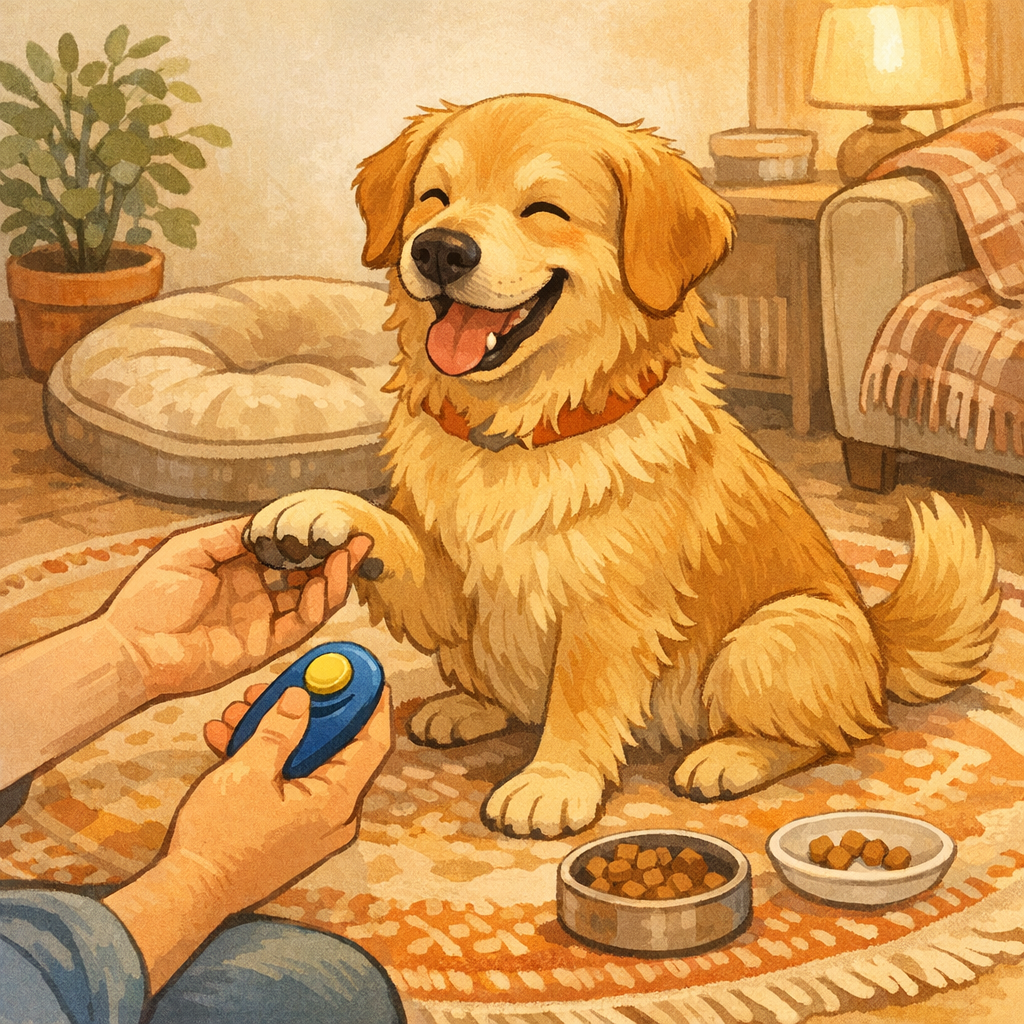
Mastering the Art of Low-Stress Paw Care
For many of us, the mere sight of nail clippers can turn a calm canine into a shaking, anxious mess. At Pawsitive Hoomans, we know that routine grooming is an essential part of canine wellness, yet it remains one of the most common sources of stress for both pet parents and their furry companions. Learning how to practice dog nail trims effectively requires more than just a steady hand; it requires a deep commitment to positive reinforcement and a complete change in how we approach the grooming process. By breaking down the task into smaller, manageable, and stress-free components, you can transform a daunting chore into a bonding experience that builds trust rather than fear.
Why Traditional Methods Often Fail
Many traditional approaches to grooming rely on restraint and force, which can inadvertently create a negative association with the clippers. Research shows that when dogs feel trapped or threatened during a procedure, their cortisol levels spike, making them more reactive and fearful in future sessions. As pet parents, our goal should be to foster a sense of safety. Instead of holding your dog down or forcing the process, we suggest focusing on ‘desensitization and counter-conditioning.’ This means gradually exposing your dog to the tools and sounds of grooming in a way that remains entirely voluntary and rewarding.
The Power of Simulated Practice
One of the most effective strategies to build confidence—both yours and your dog’s—is to simulate the sensation of a nail trim without actually touching the nails. The goal here is to replicate the sound and the tactile pressure without the risk of accidentally cutting the quick or causing pain. Using household objects that offer a similar ‘snap’ or resistance—like dry pasta or even just handling the paws while feeding high-value treats—allows your dog to learn that the presence of the clippers predicts something wonderful (like peanut butter or small bits of boiled chicken) rather than something scary.
The Pawsitive Hoomans Take
At Pawsitive Hoomans, we believe that force-free grooming is the only way to go. We advocate for a “consent-based” approach to every aspect of animal care. If your dog turns their head away, pulls their paw back, or freezes, these are clear signals that they are feeling overwhelmed. When you see these signs, pause. Reset. Go back to a level of the activity where your dog feels completely safe and comfortable. By giving your dog the power to ‘say no,’ you actually end up with a dog who is much more willing to participate in the long run. Never rush a grooming session for the sake of completion; a partial trim that remains positive is infinitely better than a full trim that leaves your dog terrified.
Step-by-Step: Preparing for Success
Before you even bring the clippers out, establish a foundation of paw-handling comfort. Many dogs are naturally sensitive about their feet. You can start by simply touching your dog’s leg and rewarding them. Gradually move your touch down to the paw, then to the toes. If they remain calm, offer a treat. Repeat this over several days. Once they are comfortable with you handling their paws, introduce the sight of the clippers. Place the tool on the floor and give your dog treats for looking at or sniffing it. Eventually, you can hold the clippers near the paw without trimming, then move to the “simulated” snip. This systematic approach ensures your dog is never blindsided by a scary sensation.
Choosing the Right Tools for Your Dog
Not all dogs respond well to the same equipment. Some dogs are terrified by the ‘clacking’ sound of guillotine-style clippers, while others dislike the vibration of a rotary grinding tool. If your dog is sound-sensitive, you might find more success with a quiet, high-quality Dremel tool used on a slow speed, or even a scratch pad—a sandpaper-covered board that allows your dog to file their own nails by digging for treats hidden underneath. Remember, the best tool is the one that your dog finds least intrusive. Experimenting with different options while maintaining a positive environment is key to discovering what works best for your specific pet.
The Role of High-Value Rewards
When you practice, the reward must be worth the effort. A standard kibble won’t cut it when you are working on desensitization. We suggest using ‘high-value’ rewards—things your dog doesn’t get at any other time. Tiny pieces of cheese, freeze-dried liver, or a lick mat smeared with dog-safe yogurt can be game-changers. The key is to keep the treat session continuous or frequent enough that the dog is mentally occupied with eating while you perform the gentle movements associated with nail trimming. This creates a powerful positive association: clippers equal delicious snacks.
Consistency and Patience
Rome wasn’t built in a day, and neither is a well-groomed, stress-free dog. It is better to practice for two minutes a day than for thirty minutes once a month. Short, frequent, and low-pressure sessions allow your dog to process the information without becoming exhausted or overstimulated. If you have a rescue dog with a history of trauma, the process may take weeks or even months. Be patient. Celebrate the small wins, like when they stay still for a single paw touch. Every small improvement is a step toward a lifetime of easier grooming.
Not sure what your pet needs? Use our free tools — Emergency Triage Guide or Custom Diet Calculator.
Always remember that while positive reinforcement is a powerful tool for behavioral management, any concerns regarding your dog’s physical health, nail conditions, or inability to remain calm should be discussed with a qualified veterinarian. They can provide professional guidance on how to manage your dog’s specific needs, especially if there is an underlying medical issue or chronic pain involved that may be complicating the grooming process. Your vet is your best partner in ensuring your pet’s long-term health and comfort.