
The Importance of Puppy Nail Trimming
As pet parents, we often focus on the big milestones: house training, leash manners, and socializing our new companions. However, one of the most vital—yet frequently overlooked—aspects of puppy development is regular maintenance. Learning how to master puppy nail trimming is not just about keeping your floors scratch-free; it is a foundational skill that dictates how your dog will feel about grooming, vet visits, and physical touch for the rest of their lives. At Pawsitive Hoomans, we believe that early paw handling is the key to raising a dog that is not only comfortable but genuinely happy during routine care.
When you start early, you are not just trimming claws; you are building trust. A puppy who learns that having their feet touched is a precursor to treats and affection is a dog that will be easier to manage as an adult. Conversely, rushing the process or forcing a frightened puppy can lead to lifelong anxiety. Research shows that proactive desensitization is far more effective than trying to fix a fear-based phobia later in life.
The Philosophy of Positive Association
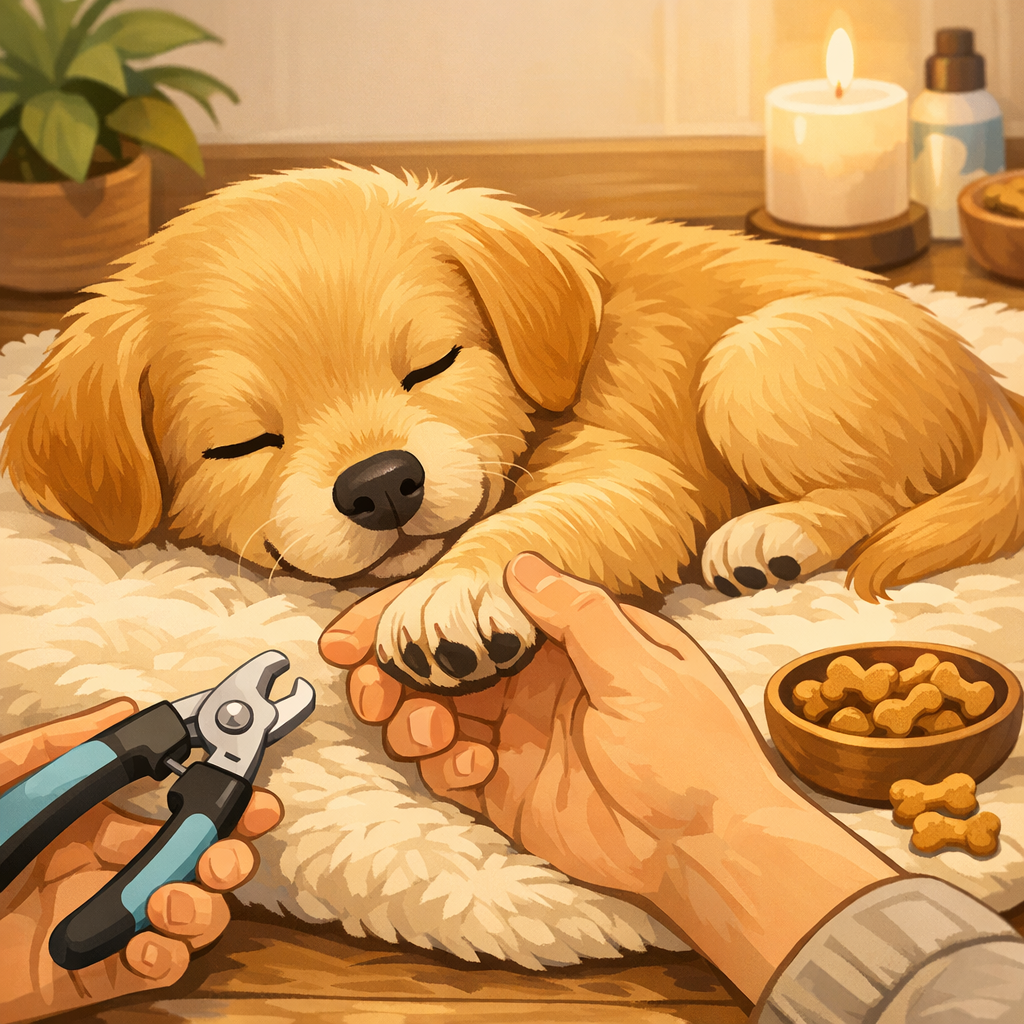
Force-free training is the bedrock of everything we stand for. When it comes to grooming, your goal is to build a positive association with the sight, sound, and sensation of nail clippers. We recommend starting long before you actually cut a nail. Simply touching your puppy’s paws while offering a high-value treat is the first step. If your puppy pulls away, you are moving too fast. Remember, you want your puppy to think that the nail trimmer is a magical tool that makes delicious treats appear out of thin air.
Start by letting your puppy sniff the clippers. Reward them for their curiosity. Once they are calm, gently touch the clippers to their paw without cutting anything. If they stay relaxed, give them a reward. By breaking the process down into tiny, manageable steps, you ensure your puppy never feels overwhelmed. This is the hallmark of compassionate care and responsible pet parenting.
Establishing a Calm Grooming Routine
Environment plays a significant role in successful grooming. Choose a quiet space with minimal distractions. For many puppies, elevated surfaces like a grooming table or a sturdy kitchen island (with a non-slip mat) can make them feel more secure. If your puppy is high-energy, consider engaging in a short, gentle training session or a game of tug before grooming to burn off some of that excess steam.
When you are ready to start trimming, use the ‘one-nail’ rule. There is no requirement to finish all four paws in one sitting, especially when you are just starting out. Trimming a single nail effectively is a massive win. Keep the sessions short—five minutes or less—and always end on a high note. If you keep the experience brief and rewarding, your puppy will look forward to the next session rather than dreading it.
Identifying the Quick: A Crucial Skill
Before you begin, it is essential to understand the anatomy of a dog’s nail. Inside the nail lies the ‘quick,’ which contains nerves and blood vessels. In dogs with clear or white nails, the quick is easily visible as a pinkish line running through the center. In dogs with black nails, it is much harder to see. Veterinary experts recommend taking very thin, small slices off the end of the nail rather than attempting to cut a large chunk. This minimizes the risk of hitting the quick, which can be painful and cause your puppy to develop a negative association with the trimmer.
If you are nervous, you might consider using a nail file or a rotary grinding tool instead of traditional clippers. Many pet parents find that the slow, gradual removal of nail material with a grinder allows for more precision and confidence. Regardless of the tool you choose, always ensure you have a styptic powder on hand just in case a minor nick occurs. While accidents happen, our goal is to avoid them entirely through patience and precision.
The Pawsitive Hoomans Take
At Pawsitive Hoomans, we view grooming as a bonding experience, not a chore. We encourage pet parents to shift their mindset: you aren’t just ‘maintaining’ your dog; you are cultivating a lifetime of cooperation. If you find that your puppy is exhibiting severe fear, aggression, or extreme distress during these sessions, it is time to slow down. Pushing a puppy through a ‘fight or flight’ response is counterproductive and can damage the bond you have worked so hard to build.
Instead, reach out to a certified professional groomer or a force-free trainer who specializes in handling training. They can provide hands-on guidance to help you navigate the process safely. Above all, always consult with your veterinarian if you have concerns about your puppy’s nail health, as long nails can lead to structural issues in the paws and legs over time. Your vet can show you the exact angle and depth for your specific dog’s anatomy, providing a gold standard of care that you can then emulate at home.
Consistency is Your Greatest Tool
Nail trimming is a muscle memory skill for both the dog and the human. If you wait until the nails are clicking on the hardwood floor to address them, you are already behind. By incorporating paw handling into your daily routine—even if it’s just rubbing their feet while watching television—you are keeping your dog accustomed to the sensation of being touched. This type of ‘prep-work’ is the most powerful tool in your kit.
Remember, the goal is not speed; it is comfort. Every time your puppy remains calm while you handle their paws, you are reinforcing the idea that they are safe. This trust is the foundation of a healthy, long-lasting relationship with your furry best friend. Take your time, keep the treats flowing, and celebrate the small victories. You are doing a great job, and your pup appreciates the patience you are showing as they learn to navigate the world of grooming.
Disclaimer: Please note that the information provided is for educational purposes only and is not a substitute for professional veterinary advice, diagnosis, or treatment. Always consult with your qualified veterinarian regarding any medical concerns or before making decisions about your pet’s health or grooming needs.