
The Importance of Stress-Free Nail Trims
Many pet parents identify nail trimming as one of the most daunting tasks in their grooming routine. It is common to feel a sense of dread when the clippers come out, often mirrored by our dogs who may struggle, pull away, or become anxious. At Pawsitive Hoomans, we believe that the secret to stress-free nail trims is one simple, powerful word: patience. Mastering this aspect of dog care is not just about aesthetics; it is essential for your dog’s physical health and emotional well-being. Long nails can alter a dog’s gait, cause joint pain, and even lead to infections, yet many owners avoid trimming them due to previous negative experiences.
As pet parents, our goal should always be to foster a relationship built on trust. Forcing a dog to endure a stressful, frightening grooming session can damage that bond. By prioritizing a gentle, step-by-step approach rooted in positive reinforcement, you can transform what was once a battle of wills into a bonding activity that leaves both you and your canine companion feeling relaxed and rewarded.
Understanding the Anatomy and the ‘Quick’
Before you even pick up the clippers, it is vital to understand the structure of the canine claw. Unlike human fingernails, dog nails contain a ‘quick’—a living blood vessel and nerve cluster that runs through the center of the nail. Cutting into the quick is painful for the dog and will cause bleeding, which is often the catalyst for long-term fear regarding nail trims.
Veterinary experts recommend observing your dog’s nails in natural light. For dogs with light-colored nails, the quick is often visible as a pinkish line running through the nail. For those with dark or black nails, the quick is hidden, making the process slightly more challenging. This is why incremental trimming—taking off tiny slivers at a time—is the gold standard. If you are ever unsure about the anatomy or how to safely trim your dog’s nails, consult a qualified veterinarian or a professional, force-free groomer to show you the proper technique in person.
Building a Foundation: The Pawsitive Hoomans Take
At Pawsitive Hoomans, we advocate for a philosophy of ‘consent-based grooming.’ This means we listen to our dogs. If your dog is showing signs of stress—such as whale eyes, excessive panting, lip licking, or trying to hide—they are telling you they are uncomfortable. Instead of pushing through, we pause. We reset.
The journey to a stress-free nail trim begins long before you touch a paw. It starts with desensitization. Spend time handling your dog’s paws during calm, non-grooming moments. Give them high-value treats just for allowing you to touch their toes. Once they are comfortable with that, introduce the sight of the clippers or grinder without actually touching the nails. Pair these items with delicious treats so the dog begins to associate the grooming tools with something wonderful. This slow, methodical approach is the embodiment of patience. It allows your dog to build confidence at their own pace, effectively eliminating the fear response.
The Role of Positive Reinforcement
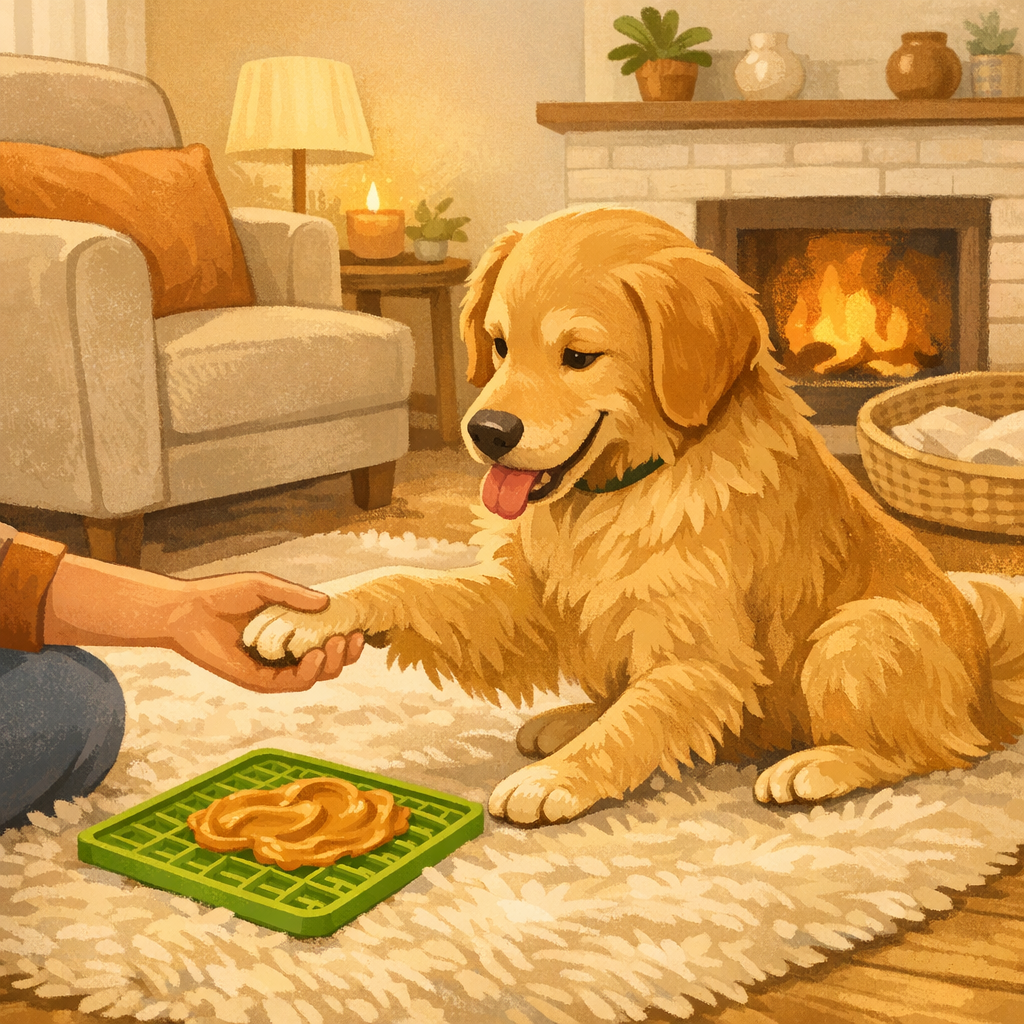
Force-free training is the bedrock of our approach. Using fear or intimidation—such as scolding your dog or pinning them down—is counterproductive and, in our view, completely unnecessary. Instead, use a “treat-scatter” or a lick mat covered in dog-safe peanut butter to keep your dog distracted and engaged while you work. The goal is to make the nail trim process secondary to the high-value reward they are receiving.
If your dog is particularly reactive, break the process into micro-steps. Perhaps you only trim one nail a day for the first week. Maybe you simply touch the clipper to the nail and give a treat without cutting anything at all. By rewarding the behavior you want to see—a calm, steady paw—you are using science-backed methods to reshape your dog’s emotional response to grooming.
Choosing the Right Tools for Success
The marketplace is flooded with various grooming tools, but not every tool is right for every dog. Clippers come in scissor styles or guillotine styles, and there are also electric rotary grinders available. Some dogs dislike the clipping ‘snap’ sound, while others are frightened by the vibration and noise of a grinder.
Research shows that the most successful pet parents are those who experiment with tools until they find what their specific dog finds least intimidating. If your dog is terrified of the clippers, try a scratch pad—a DIY or store-bought board with abrasive material that allows the dog to file their own nails by ‘digging’ for a treat. This puts the agency back in the dog’s paws, making the experience entirely voluntary and stress-free.
When to Seek Professional Guidance
There is absolutely no shame in realizing that some tasks are better left to the pros, or that your dog requires a specific medical approach. Some dogs may have deep-seated grooming trauma that requires the help of a certified professional dog trainer who specializes in cooperative care. Furthermore, if your dog is exhibiting extreme aggression or panic during grooming, it is important to discuss this with your veterinarian. They may be able to rule out underlying pain or suggest ways to manage anxiety that go beyond basic training.
Always remember that your veterinarian is your primary partner in your pet’s health. If you are struggling with nail trims, do not hesitate to ask your vet team for a demonstration or to manage the nails during your next wellness visit. They can also offer advice on specific supplements or behavioral protocols if your dog’s anxiety is severe enough to impact their quality of life.
Disclaimer: The information provided here is for educational purposes only and does not constitute veterinary or professional medical advice. Always consult with a qualified veterinarian regarding your pet’s health, behavioral needs, or any medical decisions. Never attempt to treat a significant injury or perform advanced grooming without professional instruction.