
Unlocking Your Dog’s Potential Through Movement
Teaching your canine companion a new trick is more than just a way to show off at the park; it is a profound bonding experience that enhances communication and builds confidence. When we look at the concept of how to teach your dog to march, we are essentially looking at a form of cognitive enrichment. At Pawsitive Hoomans, we believe that training should always be a joyful, collaborative process that emphasizes positive reinforcement. When you learn how to teach your dog to march, you are engaging their core muscles, improving their proprioception—the awareness of their body in space—and providing a fantastic outlet for mental energy.
Before beginning any new physical training program, it is essential to consider the physical health of your pet. Always ensure that your dog is physically capable of performing the movements requested. If you have any concerns regarding your dog’s joint health, flexibility, or age-related mobility, consult your veterinarian to ensure the exercise is appropriate for their specific anatomy.
The Foundations of Positive Reinforcement
To successfully master the “march,” we must rely on force-free training methods. This approach hinges on rewarding the behaviors we want to see, rather than punishing the ones we don’t. When a dog understands that their actions lead to a positive outcome—such as a delicious, high-value treat or an enthusiastic round of praise—they become eager participants in the learning process. This builds a “can-do” attitude that spills over into everyday obedience and behavioral success.
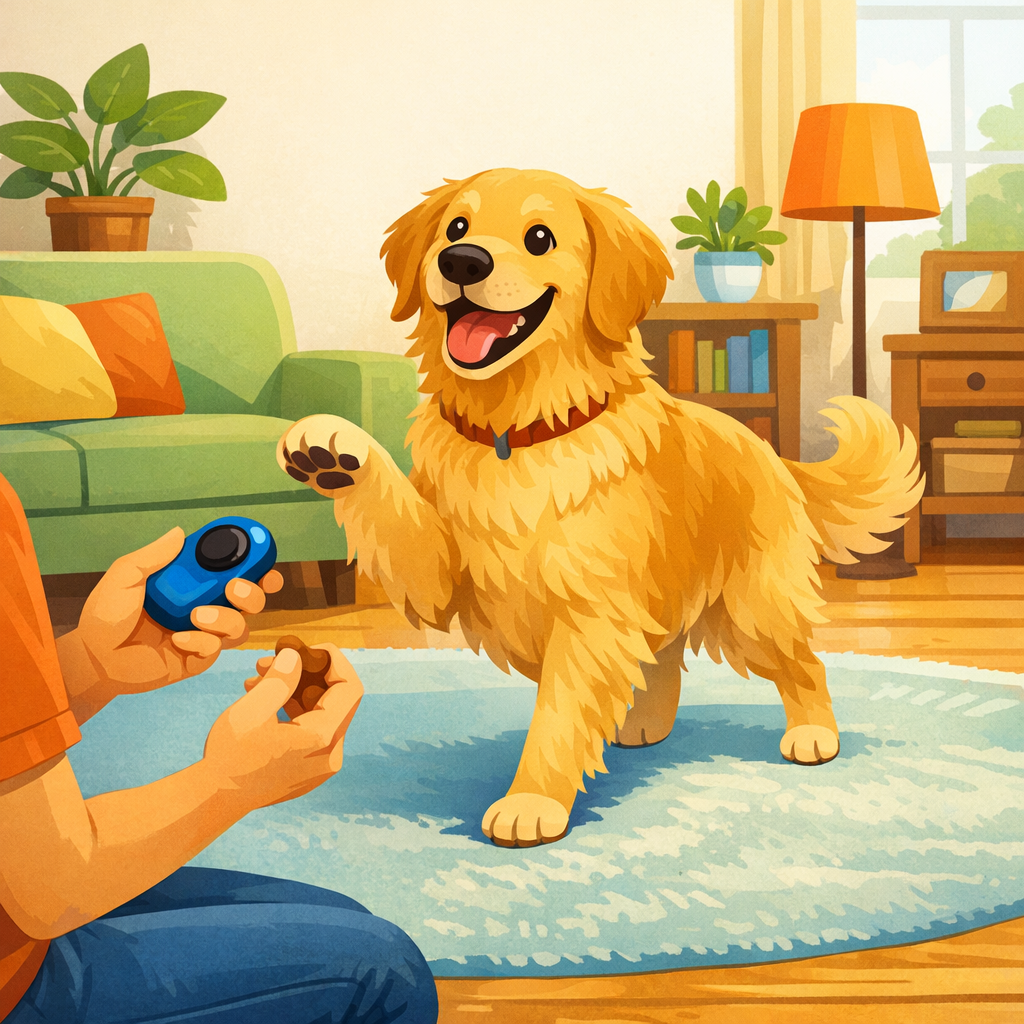
As pet parents, our goal is to break complex maneuvers down into manageable, bite-sized components. The “march” involves the dog lifting their front paws in a rhythmic, alternating sequence. By using a clicker or a consistent marker word (like “Yes!”), you can pinpoint the exact moment your dog lifts their foot, creating a clear line of communication between you and your furry friend.
Step-by-Step: The Mechanics of the March
To begin teaching your dog to march, find a quiet space with minimal distractions. You will need a handful of small, pea-sized treats that your dog finds irresistible. The objective is to capture the lifting of the front paws.
1. The Capture Phase: Start by standing in front of your dog. Many dogs will naturally shift their weight or lift a paw when they are excited or anticipating a treat. When your dog lifts one paw even slightly, use your marker word and reward immediately. Do this several times until the dog understands that the action of lifting a paw is what earns the treat.
2. Adding the Cue: Once your dog is consistently lifting a paw to offer the behavior, introduce a verbal cue like “March” or “Step.” Say the word just as they lift their paw, then mark and reward. Over time, the dog will begin to associate the verbal cue with the physical action of lifting their foot.
3. Building the Sequence: The real magic happens when you encourage the alternating movement. After your dog masters the single lift, try to lure them into lifting the opposite paw by moving the treat slightly to one side and then the other. Patience is key here; do not rush the transition. If your dog gets frustrated, return to the last step they felt confident with.
The Pawsitive Hoomans Take
At Pawsitive Hoomans, we emphasize that training is a journey, not a race. We have observed that the dogs who thrive the most are those whose owners view training as a “conversation” rather than a set of demands. When teaching a complex movement like marching, it is vital to keep sessions short—ideally no more than five to ten minutes at a time. This prevents mental fatigue and keeps the experience fun and rewarding for your pet.
Furthermore, consider the environment. If your dog is struggling to focus, the environment may be too distracting. Always prioritize your dog’s emotional well-being. If they show signs of stress or disengagement, such as yawning, lip licking, or walking away, it is time to take a break. We advocate for “check-ins” where you ask your dog if they want to keep playing; if they choose to walk away, respect that boundary. This fosters trust and ensures that your training sessions remain a positive environment for both of you.
Physical Benefits and Safety Considerations
While marching is an adorable trick, it also serves as a light conditioning exercise. By encouraging your dog to lift their limbs, you are engaging their abdominal muscles and hip stabilizers. Research shows that keeping dogs physically active and mentally challenged helps stave off cognitive decline in senior years. However, moderation is essential.
Never force a dog into a position or manipulate their limbs manually. Forcing a limb can lead to injury or create negative associations with training. Always allow the dog to perform the movement on their own volition. If you notice any limping, hesitation, or signs of pain during or after training, stop immediately and seek advice from a veterinary professional. Their physical health is the foundation upon which all your fun training activities are built.
Not sure what your pet needs? Use our free tools — Emergency Triage Guide or Custom Diet Calculator.
Disclaimer: The information provided in this article is for educational purposes only and does not constitute veterinary medical advice. Always consult with a qualified veterinarian regarding your dog’s health, physical capability, and suitability for specific training exercises. Never attempt to diagnose or treat a medical condition yourself; professional guidance is necessary for the health and safety of your pet.