
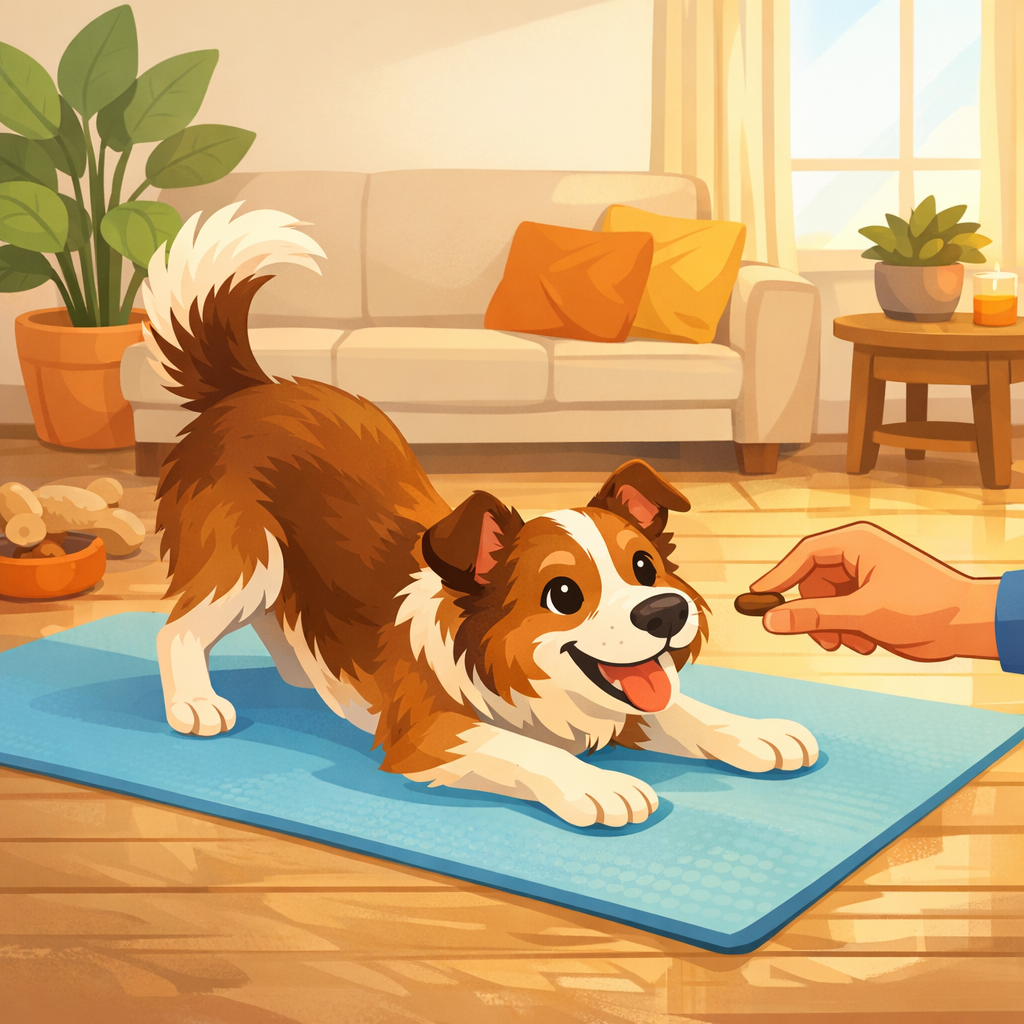
Mastering the Dog Bow: A Fun and Functional Skill
Teaching your canine companion new tricks is one of the most rewarding parts of being a pet parent. Whether you are looking for a cute party trick or a way to keep your dog mentally stimulated, the “bow”—where a dog lowers their front end while keeping their hind legs in a standing position—is an excellent addition to your training repertoire. When we focus on how to teach a dog to bow from a down position, we are essentially building body awareness and core strength. At Pawsitive Hoomans, we believe that training should always be a joyful experience rooted in trust, positive reinforcement, and patience.
The Benefits of Trick Training
Beyond the undeniable cuteness factor, teaching your dog specific movements like the bow provides a variety of benefits. It encourages your dog to engage their muscles in new ways, promoting better coordination and balance. Furthermore, the mental focus required to learn a new behavior serves as a wonderful enrichment activity. As pet parents, we know that a tired dog is a well-behaved dog, but we also know that mental exhaustion is often more effective than physical exercise alone.
When you start training a behavior that involves changing positions, it is vital to ensure your dog is comfortable and confident. Always work on a surface with good traction—like a rug or a yoga mat—rather than slippery hardwood or tile floors. This ensures your dog feels secure and won’t be worried about losing their footing, which is essential for learning complex physical movements.
Preparation: The Foundation of Success
Before you begin teaching your dog to bow, ensure your environment is free from distractions. Grab a handful of high-value, small training treats that your dog absolutely loves. The key to positive reinforcement is finding what truly motivates your pup. Remember, at Pawsitive Hoomans, we prioritize force-free methods. This means we never use physical manipulation to “force” the dog into a position. Instead, we use luring and capturing to help them discover the behavior on their own.
Step-by-Step Guide to the Bow
Teaching the bow starting from a ‘down’ position is often the most intuitive way for dogs to grasp the concept, as they are already close to the floor. Follow these steps to guide your dog through the learning process:
1. Start in a Reliable Down
Begin by asking your dog for a standard ‘down’. Ensure they are calm and focused on you. Praise them for staying in position. If your dog isn’t solid on their ‘down’ stay, spend a few days strengthening that basic command first.
2. The Lure Technique
Hold a small treat near your dog’s nose, but do not let them eat it yet. Slowly move the treat toward the ground between their front paws and then pull it slightly forward, away from them, along the floor. The goal is to encourage them to lift their hindquarters while keeping their front elbows low. As they move their nose toward the treat, their back end will naturally rise to follow the movement.
3. Mark and Reward
The very second your dog’s rear end leaves the floor while their front stays low, mark that behavior with a clicker or a consistent verbal marker like “Yes!” or “Good!” and immediately provide the treat. It is essential to reward the *attempt*, even if it isn’t a perfect bow initially. You are shaping the behavior over time.
4. Adding the Verbal Cue
Only once your dog is consistently performing the movement should you add a verbal cue like “Bow” or “Take a bow.” By waiting until the behavior is predictable, you ensure the dog associates the word with the action, rather than confusing them with a term they don’t yet understand.
The Pawsitive Hoomans Take
At Pawsitive Hoomans, we emphasize that every dog learns at their own pace. Some dogs may find the bow movement confusing at first. If your dog gets up entirely instead of bowing, don’t be discouraged. It simply means you might be pulling the lure too far forward or moving it too quickly. Slowing down your movements and keeping the treat closer to their chest can help them maintain that ‘front-down’ position. We believe in the power of patience; if you notice your dog becoming frustrated, take a break, play a round of tug, or practice a command they already know to rebuild their confidence. Remember, training is about the relationship you are building, not just the trick itself. By keeping the sessions short—five to ten minutes maximum—you keep the experience positive and rewarding for your four-legged family member.
Common Pitfalls to Avoid
A common mistake many pet parents make is accidentally rewarding the dog for getting up completely. If your dog stands all the way up, simply refrain from marking the behavior and reset them into a ‘down’ to try again. Consistency is the secret ingredient to successful training. Avoid any methods that involve pushing your dog into a bow; this can cause discomfort or anxiety and damage the trust you have worked so hard to establish. Always keep your hands gentle and your voice encouraging. If your dog shows any signs of pain or hesitation while moving their hips or shoulders, stop immediately and monitor them. If the behavior persists, consult with a professional to ensure there are no underlying physical constraints.
Focusing on Health and Well-being
While the bow is a fun trick, it is also a physical movement. As responsible pet parents, we must always consider the physical health of our companions. If your dog is a senior or has any known orthopedic issues, such as hip dysplasia or arthritis, avoid movements that put unnecessary strain on their joints. Veterinary experts recommend keeping training low-impact for dogs with mobility concerns. If you are ever unsure about whether a specific trick is appropriate for your dog’s physical condition, reach out to your veterinary team for guidance. They can help you understand your dog’s specific physical limits and help you tailor your training to keep them safe and comfortable.
By sticking to force-free, reward-based training, you are doing more than teaching a dog to bow; you are strengthening your bond and providing your dog with a life full of mental engagement and positive interaction. Keep those treats handy, keep your attitude light, and enjoy the process of growing together.
Not sure what your pet needs? Use our free tools — Emergency Triage Guide or Custom Diet Calculator.
Disclaimer: The information provided in this article is for educational purposes only and does not constitute veterinary medical advice. Always consult with a qualified veterinarian regarding your pet’s health, behavior, or any new training activities to ensure they are appropriate for your individual dog’s needs.